Top Stainless Steel Casting Suppliers for Global Buyers?
In the realm of manufacturing, "Stainless Steel Casting" stands as a crucial process for various industries. This technique, known for its durability and precision, plays a significant role in producing high-quality metal components. Industry expert Dr. Alice Thompson states, "Stainless Steel Casting is the backbone of modern engineering solutions." Her insight highlights its vital function.
Many global buyers seek reliable suppliers for these essential components. With numerous options available, navigating the landscape can be overwhelming. Factors like quality, cost, and supplier reputation significantly influence purchasing decisions. Various manufacturers provide different capabilities, which can impact end products.
Key concerns include understanding material specifications and finding trustworthy partners. The supply chain can present challenges that require careful consideration. Buyers must weigh options carefully, as not all suppliers meet rigorous industry standards. The quest for dependable stainless steel casting providers is ongoing and requires thoughtful evaluation.
Overview of Stainless Steel Casting Market Dynamics
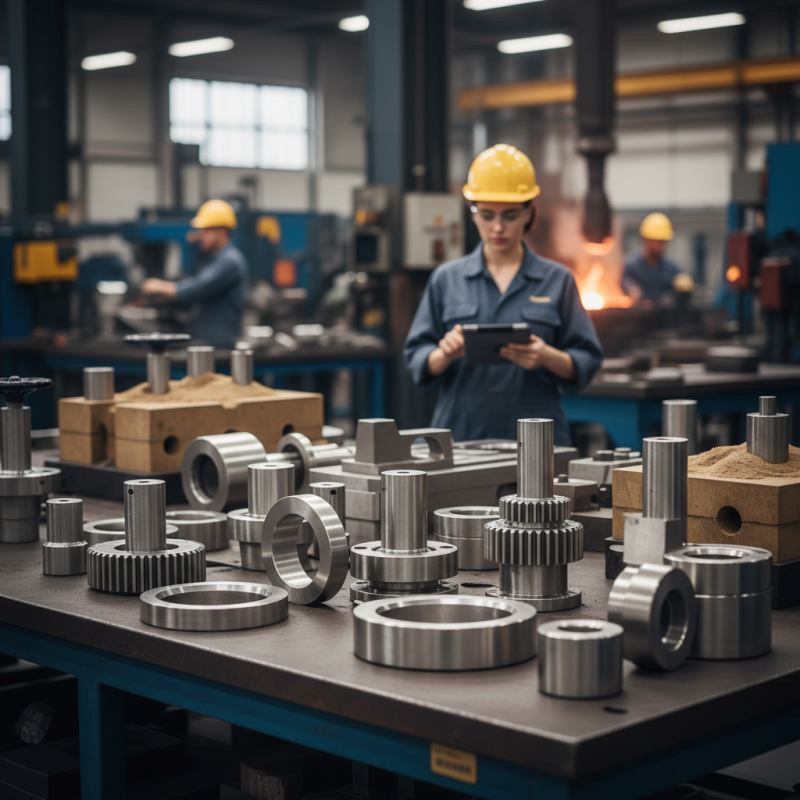
The stainless steel casting market is evolving rapidly. Various industries depend heavily on stainless steel parts for their durability and resistance to corrosion. The demand for high-quality castings is increasing globally. Factors like technology advancements and sustainability initiatives play crucial roles in shaping the market dynamics.
Tips: Focus on suppliers with proven industry experience. They often understand customer needs better. Evaluate their quality control measures. Strong QC processes ensure fewer defects.
Global buyers must remain aware of fluctuating raw material prices. This can impact overall costs and timelines. As domestic supply chains strengthen, some buyers may prefer local sources. However, international suppliers can offer specialized capabilities. Balancing cost-effectiveness and quality is essential for successful partnerships.
Tips: Research potential suppliers thoroughly before committing. Request references and past project examples. This helps establish credibility and expertise. Be open to feedback on initial designs; collaboration can enhance outcomes.
Top Stainless Steel Casting Suppliers for Global Buyers
| Supplier Location |
Annual Revenue (USD) |
Production Capacity (Metric Tons) |
Primary Industries Served |
Certifications |
| North America |
$150 million |
25,000 |
Aerospace, Automotive |
ISO 9001, AS9100 |
| Europe |
$120 million |
20,000 |
Medical, Oil & Gas |
ISO 13485, DIN EN 10204 |
| Asia Pacific |
$200 million |
30,000 |
Electronics, Construction |
IATF 16949, CE Mark |
| South America |
$80 million |
15,000 |
Agriculture, Mining |
ISO 9001 |
| Middle East |
$70 million |
10,000 |
Energy, Marine |
ISO 9001, API |
Key Factors to Consider When Choosing a Casting Supplier
When choosing a stainless steel casting supplier, several key factors come into play. Quality assurance is paramount. Look for suppliers with robust quality control systems. They should provide certifications that validate the quality of their products. A reliable supplier will also welcome rigorous inspections and tests of their castings. Ensuring that your supplier complies with industry standards is non-negotiable.
Experience matters as well. Suppliers with extensive industry experience understand the nuances of stainless steel casting. They can provide insights into potential challenges and solutions. Communication is also crucial. A supplier who communicates clearly can prevent misunderstandings and delays. They should be willing to discuss your project in detail, including timelines and specifications, ensuring clarity.
Consider the supplier's capacity to handle your order size. Some may focus on large-scale production, while others might specialize in custom, smaller runs. Don’t overlook their ability to scale with your needs. Finally, reflect on their reliability in delivery. Delays can impact project timelines significantly. Engaging with suppliers through direct inquiries will help gauge their responsiveness and reliability.
Top Stainless Steel Casting Suppliers for Global Buyers
This chart illustrates key evaluation factors for stainless steel casting suppliers, highlighting their importance in quality, delivery time, pricing, customer service, and technical support from a global buyer's perspective.
Top Global Suppliers of Stainless Steel Castings
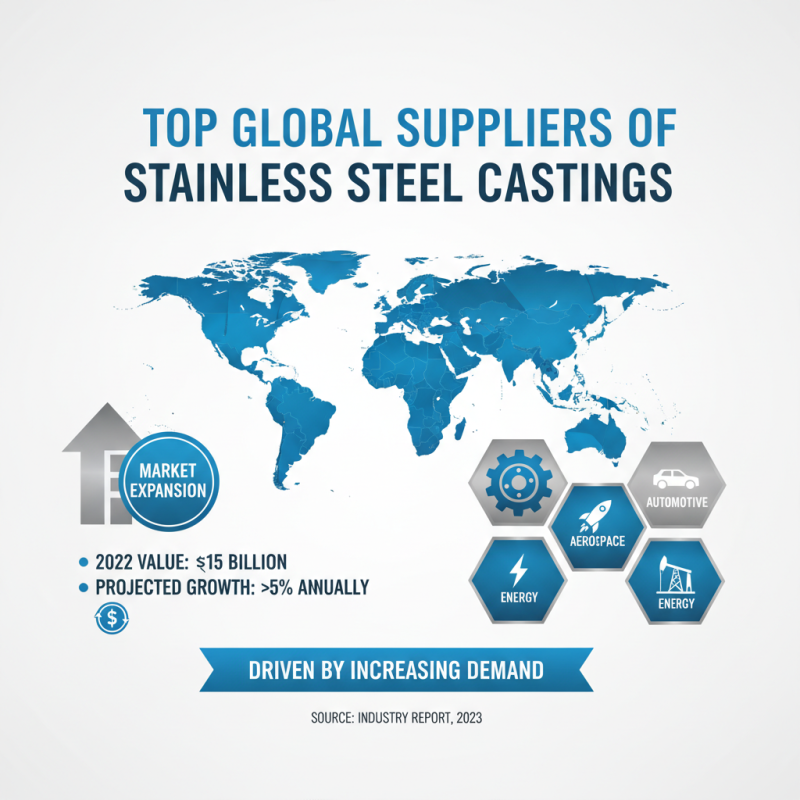
The global market for stainless steel castings is expanding rapidly. A recent report indicates that this market was valued at approximately $15 billion in 2022 and is projected to grow by over 5% annually. This growth reflects the increasing demand across various sectors, including automotive, aerospace, and energy.
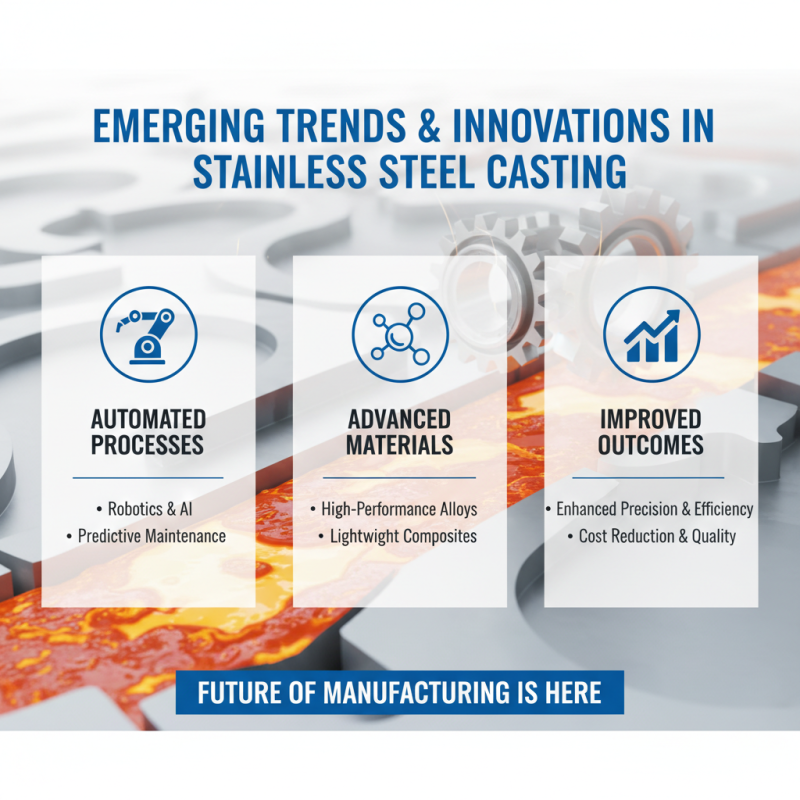
Industry experts highlight several key suppliers that dominate this space. Many manufacturers focus on enhancing their production capacities and technological advancements. For instance, the demand for precision and quality in stainless steel castings is elevating manufacturing standards. Details like surface finish and dimensional accuracy are critical. Research shows that poor quality can lead to significant cost overruns in projects.
Moreover, sustainability and recycling are gaining importance in the casting industry. Suppliers are being urged to adopt eco-friendly practices to minimize waste. According to analysts, over 30% of stainless steel used in the industry is recycled material. This approach not only addresses environmental concerns but also proves to be more cost-effective in the long run. However, challenges remain due to fluctuating raw material prices and the need for skilled labor, which can hinder growth.
Comparative Analysis of Quality Standards in Stainless Steel Casting
The stainless steel casting industry has seen a surge in demand due to its versatile applications. However, quality remains a pressing concern for buyers. Various standards exist, but not all suppliers comply with them, leading to potential discrepancies in product quality.
A report from the American Foundry Society (AFS) indicates that only 20% of suppliers meet stringent international quality standards. Factors like material composition and manufacturing processes play a significant role in ensuring quality. For example, the ideal stainless steel composition typically includes a range of 10-20% chromium and 8-12% nickel. Deviations can weaken the final product, making it less durable.
In many cases, quality assurance practices are still evolving. Some suppliers may overlook crucial testing steps. They might not conduct thorough examinations of mechanical properties or corrosion resistance. This gap could lead to costly failures in end applications. Nonetheless, buyers must invest time in understanding these standards and conducting their own assessments. The complexities of material grading can significantly impact durability and performance in real-world conditions.