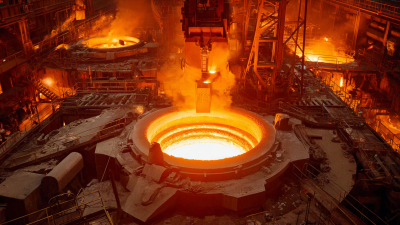
In today's industrial landscape, "Stainless Foundry" technology is becoming increasingly vital. Experts recognize its significance. Mark Johnson, a leading authority in metal casting, once stated, “Stainless Foundry processes forge the future of diverse industries.” His insight highlights the adaptability and importance of stainless foundry materials.
As industries evolve, the applications for stainless foundry components have expanded dramatically. From automotive to aerospace, these materials are essential for durability and corrosion resistance. They meet the rigorous demands of modern manufacturing while ensuring product longevity. In many cases, the choice of stainless foundry products is a game-changer.
However, challenges remain in the stainless foundry sector. Maintaining quality and efficiency is a constant struggle. The competition is fierce, and innovations must keep pace. As we explore the top ten uses of stainless foundry today, we must also reflect on areas for improvement. This journey into the realm of stainless foundry will detail why this industry is indispensable for future developments.
Stainless foundry plays a crucial role in aerospace engineering. Its unique properties, like corrosion resistance and high strength, make it an ideal choice for aircraft components. For instance, parts like turbine blades and structural frames require materials that withstand extreme conditions. Stainless steel’s durability enhances the safety and performance of these components.
In addition to structural elements, stainless foundry is pivotal in creating smaller but essential parts. Fasteners, brackets, and fittings all benefit from the precision and reliability of stainless steel. These items must endure high stress and temperature fluctuations. The manufacturing process demands accuracy; discrepancies can lead to failure in critical situations.
While stainless foundry has distinct advantages, challenges exist. Maintaining quality control in large batches can be tough. Some manufacturers struggle with sourcing raw materials that meet strict standards. Finding the balance between cost-efficiency and superior quality is an ongoing challenge. Continuous improvement is necessary in the industry. This interplay of innovation and reliability shapes future aerospace engineering advancements.
Stainless foundries play a crucial role in automotive manufacturing. They supply components like engine parts, exhaust systems, and structural elements. These parts enhance durability and corrosion resistance, which are vital in automotive applications. According to the International Stainless Steel Forum, the automotive sector accounted for 9% of total stainless steel demand in 2022. This highlights the importance of stainless foundries in meeting industry needs.
The automotive industry is shifting towards lightweight materials. Stainless steel parts provide strength without significant weight. This is essential for improving fuel efficiency. The shift also aligns with environmental goals. However, there's a challenge in balancing cost and performance. Stainless components often come with a higher price tag. Manufacturers must weigh these factors carefully.
Foundries are innovating. New techniques increase efficiency and reduce waste. Advanced casting methods are being explored. For instance, additive manufacturing is gaining traction. This can lead to intricate designs that were previously unattainable. The industry's future holds promise but is not without obstacles. Continuous improvement and adaptation are necessary to stay competitive in this evolving landscape.
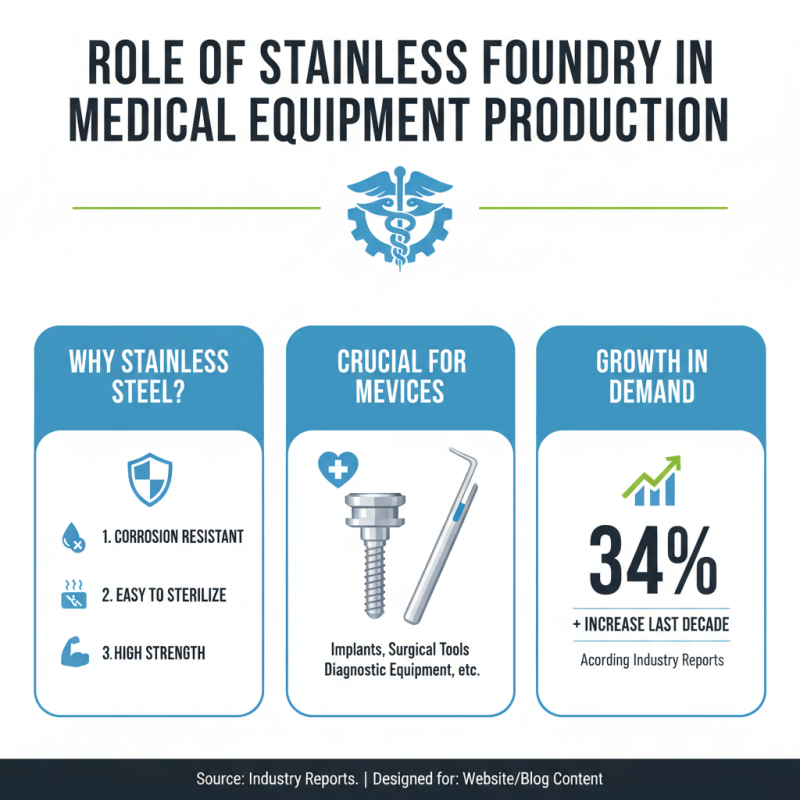
Stainless foundries play a crucial role in the production of medical equipment. The unique properties of stainless steel make it ideal for this sector. It resists corrosion, is easy to sterilize, and offers strength where needed. The use of stainless steel in medical devices has increased by approximately 34% over the last decade, according to industry reports.
In surgical instruments, stainless steel is favored for its durability. These instruments often undergo repeated sterilization cycles, requiring materials that can endure such stress. The FDA estimates that around 85% of surgical tools involve stainless steel components. This reliance emphasizes the importance of quality in foundry processes.
Tips: When selecting stainless materials for medical use, consider their composition. AISI 316 is often recommended for its excellent resistance to infection. Regular testing and certification of foundry processes can enhance reliability and safety in production. Focusing on these aspects can lead to improved patient care and outcomes.
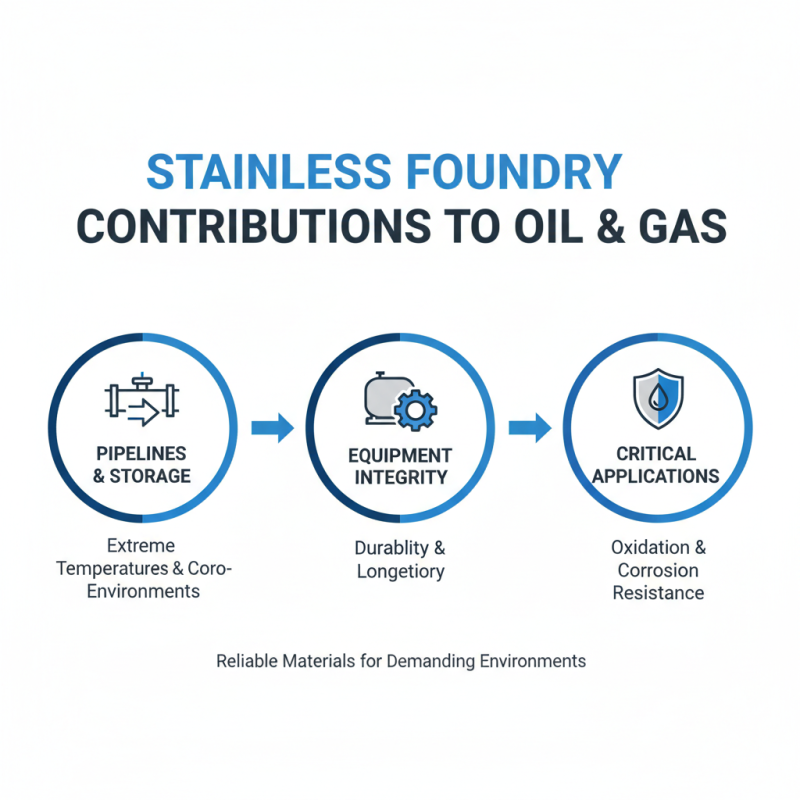
Stainless foundry plays a pivotal role in the oil and gas industry. Its materials withstand extreme temperatures and corrosive environments. This quality is essential for pipelines and storage tanks, ensuring integrity and longevity. Components made from stainless steel show excellent resistance to oxidation and staining, making them reliable for critical applications.
In offshore drilling, stainless steel parts are crucial. They can endure harsh marine conditions without degrading. This durability reduces maintenance costs and increases safety. Equipment such as valves and pumps often features stainless steel. These components contribute significantly to operational efficiency.
Despite these advantages, challenges remain. The manufacturing process can be complex and costly. There's a need for skilled workers to ensure high-quality production. Additionally, not all grades of stainless steel perform equally well in all situations. Industry players must carefully consider these factors when selecting materials. This thoughtful approach can lead to better outcomes in demanding environments.
Stainless foundry plays a crucial role in construction and architecture. Its versatility makes it a sought-after material. According to a report by Smithers Pira, stainless steel usage in construction is expected to grow by 5% annually, driven by its durability and aesthetic appeal. Architects favor it for modern designs, enabling innovative structural solutions.
In skyscrapers and bridges, stainless foundry components ensure strength and resilience. The material's corrosion resistance is vital in harsh environments. For instance, the Golden Gate Bridge utilizes stainless components to maintain structural integrity. Moreover, stainless foundry can decrease maintenance costs significantly, which is an attractive prospect for project developers. The initial investment may seem high, but the lifecycle cost benefits are evident over time.
Recycling introduces another layer of sustainability. The International Stainless Steel Forum indicates that over 80% of stainless steel is recycled, leading to a reduced carbon footprint. However, there is a gap in public awareness regarding its environmental benefits. Misconceptions about the cost factors often overshadow its long-term advantages. As the industry evolves, challenges remain in educating stakeholders on these aspects. More efforts are needed to communicate the true value of stainless foundry.
| Use Case | Industry | Description | Benefits |
|---|---|---|---|
| Architectural Facades | Construction | Stainless steel is used for building exteriors due to its aesthetic appeal and durability. | Corrosion resistance, longevity, low maintenance. |
| Structural Components | Civil Engineering | Used in beams, columns, and reinforcements. | High strength-to-weight ratio, stability. |
| Piping Systems | Oil & Gas | Corrosion-resistant piping for transporting fluids. | Enhanced safety, durability, and longevity. |
| Kitchen Equipment | Food & Beverage | Stainless steel surfaces for hygiene and ease of cleaning. | Sanitary, sleek design, heat resistance. |
| Furniture | Interior Design | Stainless steel is used in modern furniture designs. | Aesthetic appeal, durability, and modern look. |
| Bridges | Infrastructure | Used for components of pedestrian and vehicle bridges. | Longevity, low maintenance, and resistance to environmental factors. |
| Railings and Handrails | Safety and Accessibility | Stainless steel railings provide safety in public and private spaces. | Durable, low maintenance, and stylish. |
| Solar Panel Frames | Renewable Energy | Frames that support solar panels in various conditions. | Corrosion resistance, strength, and structural integrity. |
| Water Treatment Facilities | Environmental Services | Components for filtration and processing systems. | Hygiene, durability, and corrosion resistance. |