What is Casting Pump Parts and How Do They Work?
Casting Pump Parts play a crucial role in various industries, particularly in fluid handling and transportation. According to a recent report by Grand View Research, the global pump market is expected to reach $78.2 billion by 2025. This growth is driven by the demand for efficient and reliable fluid management systems, where casting components are vital.
Experts emphasize the significance of casting in pump production. John K. Allen, a noted authority in the casting industry, states, "The quality of casting pump parts directly influences pump performance." His insights highlight how precise casting processes ensure the durability and efficiency of pump systems.
The production of casting pump parts requires expertise and advanced technology. Flaws in casting can lead to pump failures and increased maintenance costs. Companies must consistently evaluate their casting methods to align with evolving industry standards. Regular assessments can identify areas for improvement, ensuring that casting processes meet the high demands of today’s fluid management solutions.
Overview of Casting Pump Parts and Their Importance
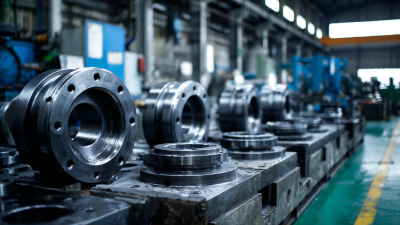
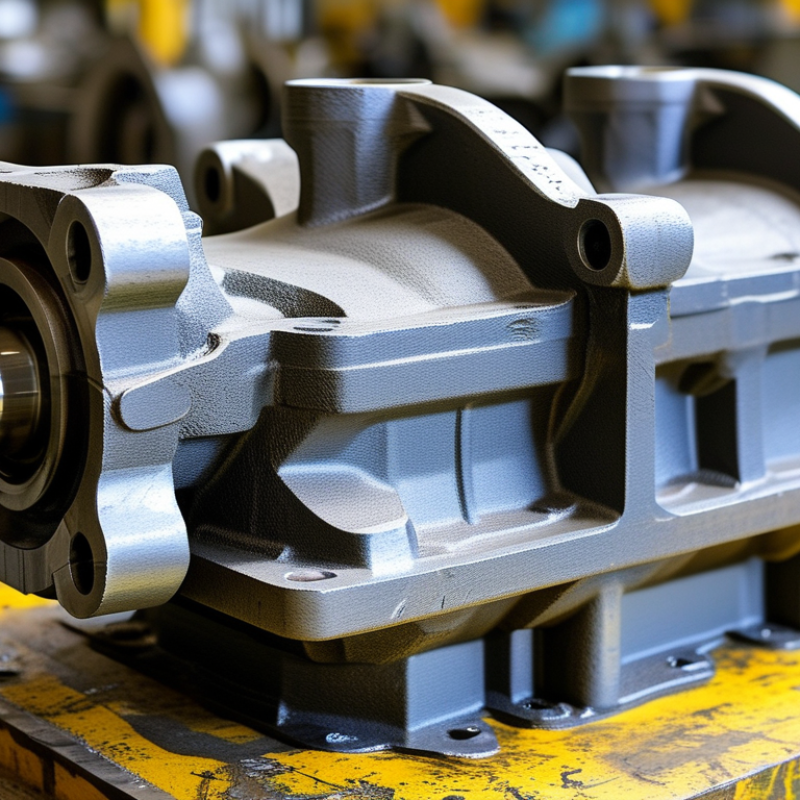
Casting pump parts play a critical role in various industrial applications. These components are shaped through casting processes, which involve pouring molten metal into molds. As a result, they possess high precision and durability. According to recent industry data, 70% of pump failures can be traced back to inadequate component quality. This statistic emphasizes the importance of high-quality casting parts in preventing operational disruptions.
The manufacturing process of casting pump parts demands expertise. Skilled professionals assess the casting materials, often choosing alloys that can withstand corrosion and wear. A report by the American Foundry Society reveals that nearly 40% of pump parts are produced using advanced casting techniques. These methods enhance strength while minimizing production costs. However, not all foundries maintain the same standards. Quality control measures are essential to ensuring reliability.
Improperly made casting parts can lead to significant maintenance issues. For instance, poor fitting or rough surfaces may cause leaks or efficiency losses. Each defective part can escalate repair costs and downtime. Organizations must prioritize thorough inspections and choose suppliers with proven track records. These steps are vital in maintaining the integrity of pumping systems.
Types of Materials Used in Casting Pump Parts
Casting pump parts are essential to the functionality and reliability of various pumping systems. The materials used in these components greatly influence their performance and durability. Typically, foundry processes utilize metals such as iron, aluminum, and bronze because of their distinct properties. For instance, ductile iron is favored for its strength and stress resistance, making it ideal for high-pressure applications.
Data indicates that around 50% of pump component failures stem from material weaknesses. This fact underscores the importance of material selection. Aluminum alloys, on the other hand, weigh less and resist corrosion, providing an advantage in many environments. Recent studies show that pump parts made from these materials can last up to 30% longer than those made from standard iron under similar conditions.
However, the choice of material is often influenced by cost and availability, leading to compromises. For example, while steel is durable, it may rust if not properly coated. This presents a challenge for manufacturers who balance performance with budget constraints. Continuous advancements in material science aim to improve these shortcomings, but the industry still faces hurdles in achieving optimal solutions. It's a complex landscape where the right choice can make all the difference.
The Casting Process: Steps and Techniques Explained
The casting process is a fascinating blend of art and science. It involves pouring molten material into a mold to create precise shapes. This method is widely used for making pump parts, ensuring they meet exact specifications.
In this process, several key steps are involved. First, molds are crafted from metal, sand, or ceramics. Each type has its advantages and limitations. For instance, sand molds are cheaper and quicker to produce but may not offer the smooth finishes of metal molds. Next, molten material, often metal, is poured into these molds. Cooling follows, where the metal solidifies and takes the desired shape.
However, the process isn't without challenges. Variations in temperature can lead to defects in finished parts. Additionally, achieving the right balance in mold composition requires careful consideration. Testing different materials and techniques is essential for refining the final product. This ongoing experimentation is vital for advancing casting technology, even as imperfections sometimes emerge.
Casting Pump Parts Production Volumes
This bar chart illustrates the production volumes of various casting pump parts, showcasing how many units of each part are manufactured. The data reflects a balanced production across different components, essential for the overall functionality of pumps.
How Casting Pump Parts Function in Fluid Dynamics
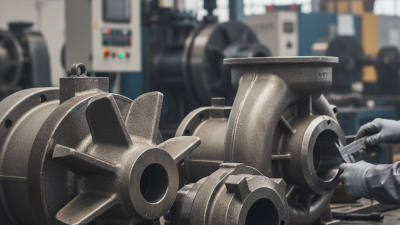
Casting pump parts are essential components in various fluid dynamics applications. They play a vital role in the efficient motion of liquids, whether in industrial processes or everyday machinery. These parts are made through a casting process, which allows for intricate designs that enhance their functionality. The durability and shape contribute significantly to how fluids are directed and controlled.
In fluid dynamics, casting pump parts function by managing fluid flow and pressure. Their design often includes features that minimize turbulence and maximize efficiency. However, achieving the perfect balance can be challenging. Variations in material quality or casting precision may lead to performance inconsistencies. Such imperfections can result in leaks or reduced pumping capacity.
These components must be meticulously maintained to ensure long-term reliability. Regular inspections can identify areas of wear or damage early. Despite their robust design, even quality casting can succumb to fatigue over time. Understanding these dynamics helps engineers and operators refine their systems. Continuous improvement is critical, as each casting has unique characteristics that influence its application in fluid systems.
Maintenance and Longevity of Casting Pump Components
When it comes to casting pump components, regular maintenance is crucial for optimal performance. These parts can wear down due to constant use, leading to inefficiencies. Addressing minor issues quickly can drastically improve longevity.
Tip: Schedule routine inspections. Regularly check for signs of wear or corrosion. An early intervention can save on costly repairs down the line.
Proper lubrication is essential. Many pump components rely on lubricants to reduce friction. Insufficient lubrication can cause overheating and rapid wear. Check fluid levels periodically.
Tip: Use quality lubricants recommended for your specific application. They contribute to the overall performance and durability of the components.
Cleaning is often overlooked. Dust and debris can accumulate, affecting the pump's efficiency. A clean workspace aids functionality as well.
Tip: Establish a cleaning routine. Remove any dirt and grime to prevent buildup. A clean component operates more efficiently and lasts longer.
What is Casting Pump Parts and How Do They Work? - Maintenance and Longevity of Casting Pump Components
| Component |
Material |
Function |
Maintenance Tips |
Longevity (Years) |
| Pump Housing |
Cast Iron |
Encases the internal components and directs fluid flow. |
Inspect regularly for cracks and corrosion; clean sediment. |
15-20 |
| Impeller |
Bronze |
Increases fluid velocity and pressure. |
Check for wear and replace if necessary. |
10-15 |
| Mechanical Seal |
Ceramic/Carbon |
Prevents leakage between stationary and rotating parts. |
Monitor for leakage; replace every few years. |
5-10 |
| Suction Strainer |
Stainless Steel |
Filters debris from entering the pump. |
Clean regularly, based on usage. |
10-15 |
| Motor |
Aluminum |
Provides power to the pump. |
Check electrical connections and bearings. |
15-20 |