Why Are Casting Pump Parts Essential for Industrial Applications?
Casting pump parts are crucial in various industrial applications. These components are designed to withstand harsh environments, ensuring reliable performance. Their durability and strength often determine the efficiency of pumps in numerous settings, from water treatment plants to chemical processing facilities.
In industries where downtime can lead to significant losses, the quality of casting pump parts cannot be overlooked. Poorly manufactured components may fail unexpectedly, resulting in costly repairs and operational delays. On the other hand, well-crafted casting pump parts enhance productivity and minimize maintenance needs.
Moreover, the manufacturing process of these parts plays a vital role. Factors such as material selection and casting methods significantly impact performance. Some casting methods may seem efficient but result in hidden flaws. Therefore, industries must prioritize sourcing from reputable suppliers who demonstrate expertise in casting pump parts. This attention to detail will ultimately lead to more reliable systems and improved operational resilience.
Importance of Casting Pump Parts in Industrial Settings
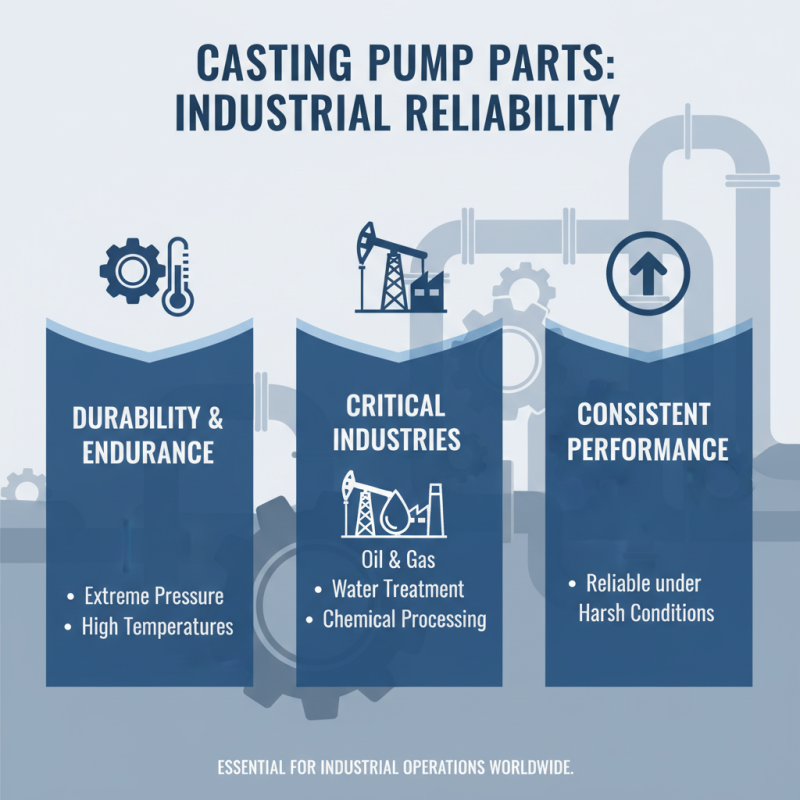
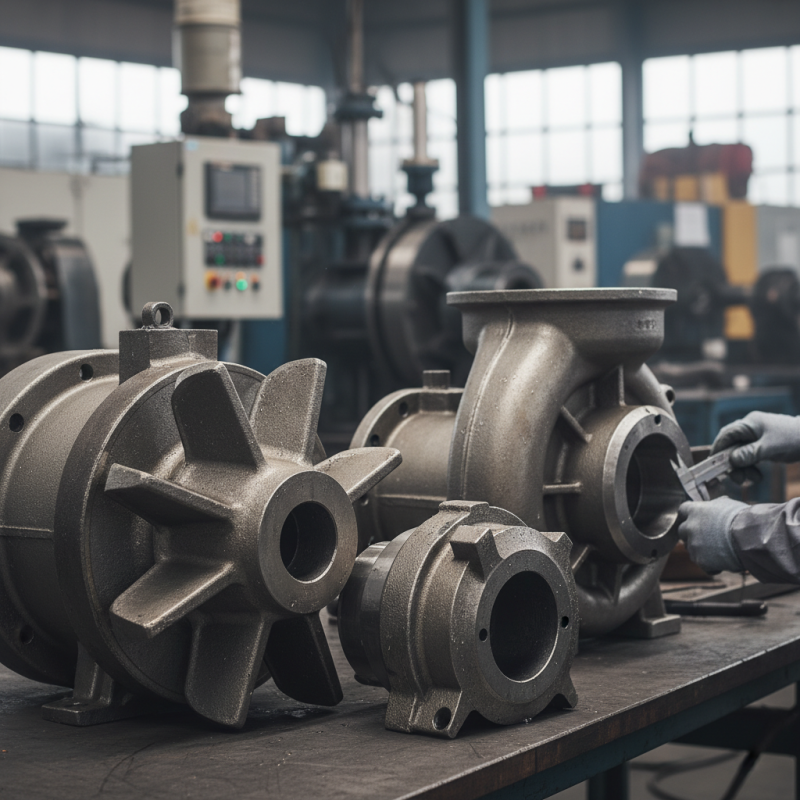
Casting pump parts play a critical role in various industrial applications. These components are designed to withstand extreme pressures and temperatures. Industries such as oil and gas, water treatment, and chemical processing rely heavily on them. Their durability ensures consistent performance, even under harsh conditions.
The precision involved in casting these parts leads to improved efficiency. A well-cast pump component can significantly reduce maintenance costs. However, not all casting methods yield the same results. Some may face challenges like porosity or dimensional inaccuracies. These issues can lead to pump failures, causing delays or safety hazards.
Understanding the importance of high-quality casting is paramount. Reliable casting methods contribute to the overall longevity of the pumps. This reliability translates into reduced downtime for industries. As industrial demands evolve, so must the casting techniques. Adapting to new technologies can enhance functionality and safety. A constant reflection on quality, efficiency, and resilience is vital for progress in this field.
Key Materials Used in Pump Part Casting Processes
Casting pump parts plays a crucial role in industrial applications. These components must withstand harsh environments and heavy loads. The materials used for casting significantly influence durability and performance.
Common materials include cast iron, aluminum, and bronze. Cast iron offers excellent strength and wear resistance, ideal for high-pressure environments. Aluminum is lighter and corrosion-resistant, suitable for both efficiency and cost-effectiveness. Bronze has superior corrosion resistance, making it essential for marine applications.
However, selecting the right material can be challenging. Each material has its pros and cons. For example, while cast iron is strong, it is heavier and can be prone to rust without proper treatment. Understanding the specific needs of each application helps in making informed decisions. This knowledge fosters better design choices, impacting overall efficiency and longevity of the pump systems.
Why Are Casting Pump Parts Essential for Industrial Applications?
| Material Type |
Properties |
Applications |
Examples of Use |
| Cast Iron |
High wear resistance, excellent casting properties |
General pump components, impellers |
Used in wastewater and sewage pumps |
| Aluminum |
Lightweight, good corrosion resistance |
Light-duty pumps, automotive applications |
Used in cooling system pumps |
| Stainless Steel |
Excellent corrosion resistance, high strength |
Food processing, chemical applications |
Used in sanitary pump designs |
| Bronze |
Good wear resistance, high machinability |
Marine applications, pump shafts |
Used in seawater pumps |
Benefits of High-Quality Casting in Pump Performance and Durability
High-quality casting plays a crucial role in pump performance and durability. When components are casted effectively, they show improved strength and resistance to wear. Data from a report by the American Foundry Society highlights that cast pump parts can last up to 30% longer than those made from lower-quality materials. The casting process allows for intricate designs, which can enhance fluid flow and reduce turbulence. This is essential for applications in industries such as oil, water treatment, and chemical processing.
Moreover, the accuracy of casting affects operational efficiency. Precise molds lead to better fits and seals, reducing the likelihood of leaks. A study from the Hydraulic Institute reveals that even minor leaks can cause efficiency losses of 15% or more. This emphasizes the need for high-quality castings, as operational downtime can be costly. Furthermore, while many manufacturers strive for cost reduction, focusing solely on price can compromise the casting quality. This may lead to frequent repairs and replacements, resulting in higher long-term expenses.
Investing in high-quality casting can provide substantial benefits. Pumps with durable cast parts experience lower maintenance costs and improved reliability. However, not all manufacturers prioritize quality. Some may settle for cheaper alternatives, which can lead to increased failures. This reflects a need for ongoing evaluation of casting standards that balance cost and quality.
Benefits of High-Quality Casting in Pump Performance and Durability
Common Applications of Casting Pump Parts in Various Industries
Casting pump parts play a vital role in various industrial applications. Industries such as oil and gas rely heavily on these components due to their durability and efficiency.
In chemical processing plants, casting pumps handle aggressive fluids, maintaining operational integrity. The robustness of these parts reduces the risk of leaks, which can lead to expensive downtimes.
In the water treatment sector, casting pump parts are crucial. They manage water flow and filtration processes. Cast metals provide excellent resistance to corrosion from chemicals used in treatment. In the food processing industry, casting parts ensure hygiene and safety. They withstand rigorous cleaning procedures without degrading.
However, cast materials can present challenges. They may suffer from defects, such as air pockets or uneven surfaces. These flaws could affect performance. Manufacturers must address these issues to uphold quality standards. Regular inspections and advanced testing methods help ensure reliability and longevity.
Challenges in Manufacturing and Designing Casting Pump Components
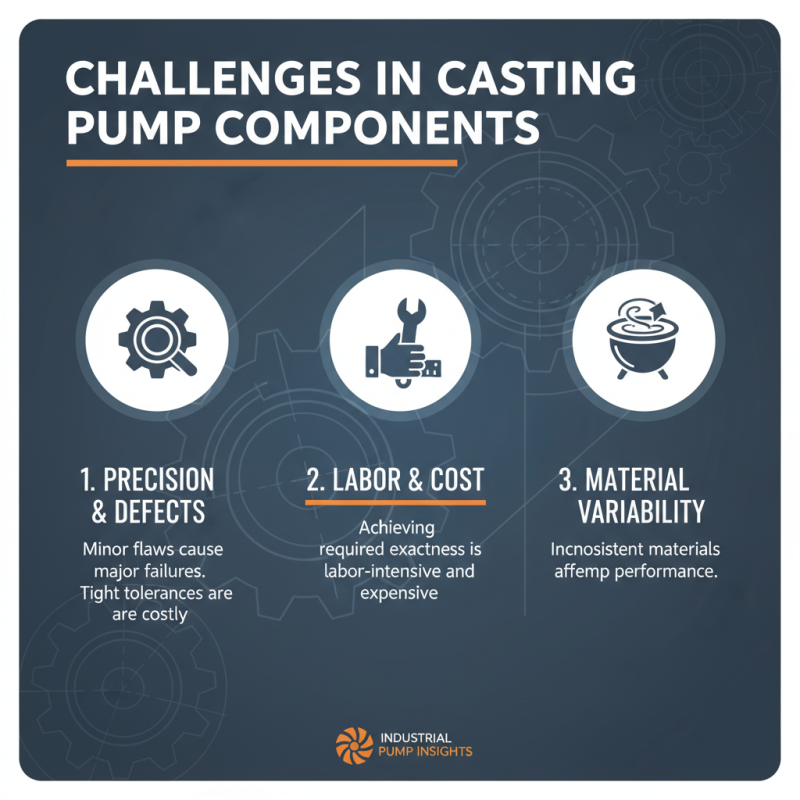
Casting pump parts play a crucial role in industrial applications. However, designing and manufacturing these components presents various challenges. Precision is vital, as even minor defects can lead to significant failures. In many cases, achieving the required tolerances can be labor-intensive and costly. Suppliers often struggle with the consistency of materials, which can affect pump performance.
When dealing with complex shapes, achieving proper cooling and solidification during casting is essential. Uneven cooling can cause warping or micro-cracking in the final product. Additionally, ensuring that the materials used can withstand varying pressures and temperatures is paramount for safety.
Tips: For manufacturers, maintaining strict quality control is critical. Regular inspections can identify issues early. Consider investing in advanced technologies for better precision. Engage specialists with experience in pump design to navigate challenges effectively. This approach can lead to improved reliability in pump performance over time.