Top 10 Stainless Steel Fabrication Companies in China?
Stainless Steel Fabrication has become a critical industry in China, playing a vital role in various sectors such as automotive, construction, and manufacturing. According to the China Stainless Steel Industry Association, the market size for stainless steel fabrication has grown significantly, reaching over $30 billion in recent years. This growth reflects the rising demand for durable and corrosion-resistant materials in diverse applications.
China houses numerous companies specializing in Stainless Steel Fabrication. These firms are known for their innovation, precision, and scalability. However, the rapid expansion of this sector has not come without challenges. Many companies face issues such as fluctuating raw material costs and environmental regulations. Addressing these concerns is essential for sustainable development in this competitive market.
As we highlight the top 10 stainless steel fabrication companies in China, it is crucial to consider their expertise and contributions to the industry. Each company brings unique strengths and capabilities. Yet, there are areas where improvement is needed, particularly in adopting green practices and advanced technologies. Recognizing these aspects can guide future growth and innovation within the stainless steel fabrication landscape.
Overview of Stainless Steel Fabrication in China
Stainless steel fabrication in China is a rapidly evolving industry. As of 2023, the market has witnessed a significant shift towards advanced manufacturing techniques. This includes automated welding and precision machining. Industry reports indicate a growth rate exceeding 10% annually. Such growth reflects the rising demand across various sectors, including construction and automotive.
Chinese fabricators have adopted stricter quality control measures. Many companies now comply with international standards, ensuring reliability in their products. This has enhanced their credibility in global markets. Notably, stainless steel accounts for nearly 30% of China's total steel output. This figure highlights the increasing importance of stainless steel in manufacturing processes.
Challenges remain despite these advancements. The industry faces issues such as skill shortages. There is also a need for more investment in research and development. Manufacturers must continually adapt to the evolving technological landscape. The focus on sustainability is driving innovation but requires more resources. This tension highlights an area for improvement in balancing growth and environmental responsibility.
Top 10 Stainless Steel Fabrication Companies in China
| Company Location |
Year Established |
Annual Revenue (USD) |
Employee Count |
Key Products |
| Shanghai |
1995 |
$50 million |
200 |
Stainless Steel Sheets, Pipes |
| Beijing |
2000 |
$75 million |
300 |
Fabricated Parts, Tanks |
| Guangzhou |
1990 |
$40 million |
150 |
Kitchen Equipment, Custom Fabrication |
| Shenzhen |
1998 |
$60 million |
250 |
Medical Equipment, Structural Steel |
| Hangzhou |
2005 |
$30 million |
100 |
Architectural Fabrication, Handrails |
| Tianjin |
2010 |
$80 million |
350 |
Industrial Equipment, Custom Parts |
| Nanjing |
2002 |
$55 million |
220 |
Automotive Parts, Pipes |
| Xi'an |
2008 |
$65 million |
230 |
Railway Components, Frameworks |
| Chongqing |
1997 |
$45 million |
180 |
Electronics Housing, Frameworks |
| Wuhan |
2015 |
$25 million |
70 |
Consumer Goods, Custom Designs |
Criteria for Evaluating Fabrication Companies
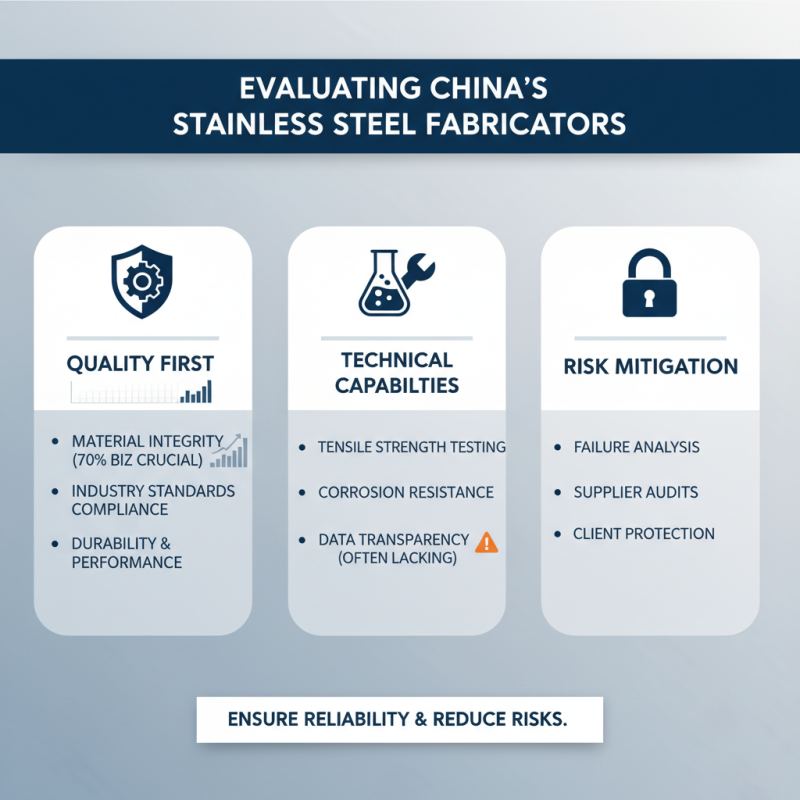
When evaluating stainless steel fabrication companies in China, several criteria should be prioritized. Quality is paramount. Reports indicate that 70% of businesses consider material integrity crucial. Stainless steel should comply with industry standards, ensuring durability and performance. Testing for tensile strength and corrosion resistance can provide insights into a company's capabilities. Companies often fail to showcase this data adequately, leading to potential risks for clients.
Experience plays a vital role in fabrication services. Companies with over five years of industry presence tend to have better processes in place. According to industry surveys, these companies are 40% more likely to deliver consistent quality. Innovation is another key element. Advanced technologies in fabrication, like automated welding, can enhance precision. Yet, many firms struggle to adopt these technologies efficiently, which can hinder their competitive edge.
Customer feedback is essential in this evaluation. Positive reviews can indicate a reliable partner. Yet, not all feedback reflects genuine experiences; companies might exaggerate their successes. Additionally, a company's after-sales service can significantly impact overall satisfaction. Poor communication in this area can lead to unresolved issues, highlighting the need for thorough assessments of potential partners before making decisions.
List of the Top 10 Stainless Steel Fabrication Companies
When looking for top-notch stainless steel fabrication companies in China, a few factors come into play. Quality and expertise are paramount. Many Chinese firms boast vast experience in various industries. Their innovative approaches often lead to high-quality products. However, not every company measures up to strict international standards.
Experiencing inconsistencies in quality can be a challenge. Some firms may cut corners to meet rising demands. Client reviews frequently highlight these issues. A strong focus on skilled labor and advanced machinery is essential. Not all companies prioritize employee training, which can lead to craftsmanship discrepancies.
Transparency is crucial when assessing these companies. Having clear communication can prevent misunderstandings and delays. The ability to provide detailed product specifications and timelines is a sign of reliability. Potential customers should weigh these factors before making decisions. The landscape is competitive, but due diligence can lead to fruitful partnerships.
Top 10 Stainless Steel Fabrication Companies in China - Production Capacity
Key Services Offered by Leading Fabrication Firms
When exploring stainless steel fabrication in China, key services offered by leading firms stand out. These companies typically provide design, prototyping, and full-scale production. They utilize advanced technologies, such as CNC machining and laser cutting, ensuring precision in every project. Skilled craftsmen and engineers play a critical role in this process. Their expertise guarantees that products meet exact specifications, catering to diverse industries.
Welding and finishing are also vital services in the fabrication process. Companies often offer various welding techniques, including TIG and MIG. This versatility allows them to handle different steel grades and thicknesses. Surface finishing, such as polishing or coating, improves durability and aesthetics. Quality control measures are essential here, as they help to minimize defects and ensure reliability.
Yet, challenges persist in the industry. Some firms struggle with supply chain disruptions. Others face competition from lower-cost providers. These factors can affect pricing and delivery schedules. Companies must adapt and innovate to maintain their competitive edge. Investments in training and technology are crucial for overcoming these obstacles. The commitment to continual improvement defines the best in stainless steel fabrication.
Emerging Trends in China's Stainless Steel Fabrication Industry
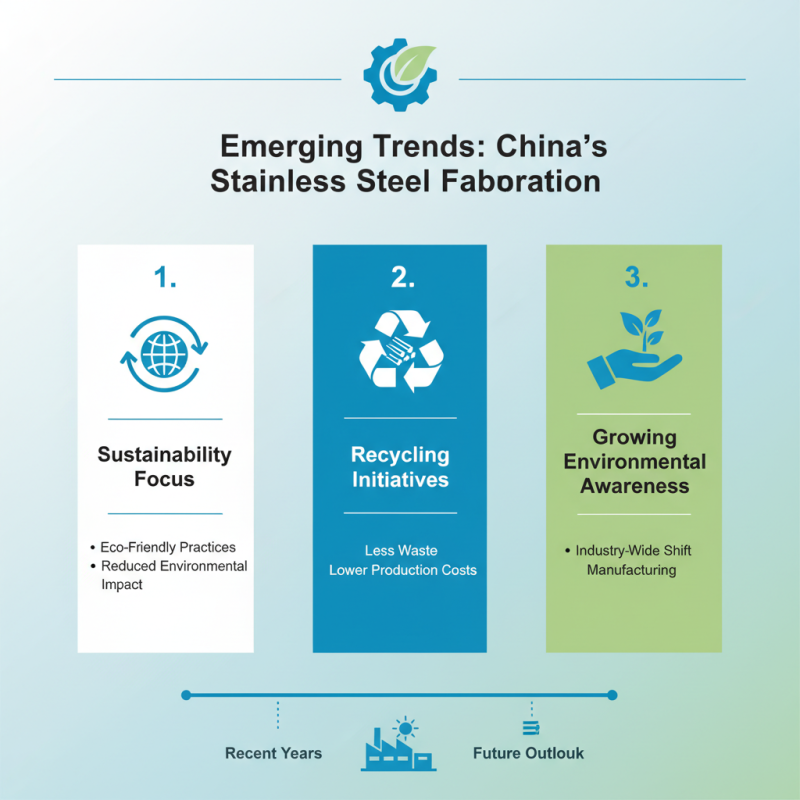
In recent years, China’s stainless steel fabrication industry has witnessed significant transformation. An increasing focus on sustainability has prompted manufacturers to adopt eco-friendly practices. Companies are now prioritizing recycling initiatives, which lead to reduced waste and lower production costs. This trend reflects a growing awareness of environmental issues across the sector.
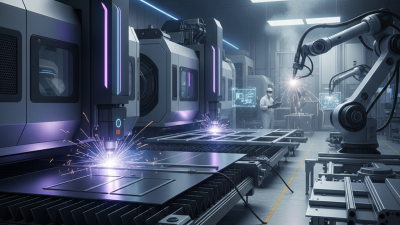
Additionally, advanced technologies are shaping the industry. Automation and robotic systems enhance precision and efficiency in fabrication processes. Companies leveraging these technologies often report shorter lead times. This advancement, however, also poses challenges. There is a continuous need for skilled workers who can operate and maintain these systems effectively. Training programs are necessary but not yet widespread.
Another notable shift is the diversification of applications for stainless steel. The material is increasingly used in construction, automotive, and consumer products. This broadens market opportunities but also increases competition. Many fabricators struggle to differentiate their services. Innovation is vital, yet it remains a focus area for many in the industry. The landscape is evolving, and adapting to these changes will define future success.