Top Metal Parts Suppliers for Global Buyers?
In the dynamic world of manufacturing, the demand for metal parts continues to rise. According to industry expert, Michael Thompson, “Quality metal parts are the backbone of reliable machinery.” This statement highlights the importance of sourcing from top suppliers. As global buyers navigate this vast market, selecting the right partners can be challenging yet crucial.
Many factors influence the choice of metal parts suppliers. Buyers should consider quality certifications, production capabilities, and delivery times. The vast range of metal parts, from precision components to heavy-duty items, requires suppliers to demonstrate their expertise. However, finding suppliers that meet these criteria is not always straightforward. Some suppliers may lack transparency in their processes, leading to potential issues in product quality.
Moreover, globalization reshapes the landscape of metal parts sourcing. New players emerge, each claiming to offer the best solutions. It is vital for buyers to evaluate both established firms and newcomers. Building trust in suppliers is a reflection of the industry’s integrity. With careful consideration and a keen eye for detail, buyers can secure partnerships that enhance their manufacturing processes.
Top Global Metal Parts Suppliers Overview
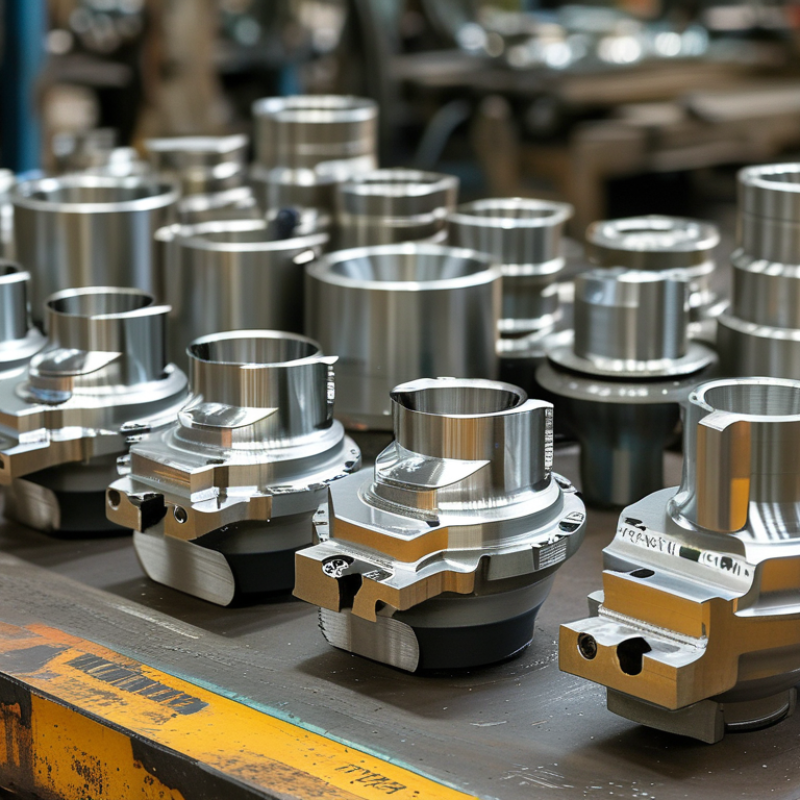
In the competitive landscape of metal parts suppliers, global buyers face many options. Understanding these suppliers is crucial for effective sourcing. Companies often look for manufacturers specializing in high-quality metal components. These components serve various industries, including automotive, aerospace, and construction.
Evaluating supplier reliability remains essential. Factors influencing this decision include production capacity and quality control processes. Buyers should consider suppliers that adhere to international standards. This adherence reflects professionalism and commitment to excellence. However, not all suppliers maintain consistent quality. Some might struggle with meeting delivery timelines or product specifications. This unpredictability can lead to operational challenges.
Buyers often prioritize partnerships that foster trust and communication. Strong relationships can help address issues proactively. Suppliers who can adapt to feedback contribute positively to the buyer-supplier dynamic. This cooperation is necessary in today’s fast-paced market. Responding to changing demands can separate dependable suppliers from others. Emphasizing these factors leads to better sourcing decisions.
Key Industry Metrics: Market Size and Growth Rate of Metal Parts Industry
The metal parts industry showcases a dynamic landscape influenced by numerous factors. Market size has steadily expanded in recent years, driven by increased demand from sectors like automotive and aerospace. In 2022, the industry was valued at over $800 billion. Projections indicate continued growth, with an expected compound annual growth rate (CAGR) of around 6% through 2027.
Key metrics play a crucial role in understanding this sector's evolution. Regional variations also contribute to discrepancies in growth rates. For instance, emerging markets in Asia-Pacific are experiencing rapid industrialization. However, this growth doesn’t come without challenges. Quality control remains a critical issue, as manufacturers strive to balance volume with consistency. Additionally, fluctuations in raw material prices can disrupt supply chains, highlighting a need for adaptive strategies.
The metal parts industry also faces environmental considerations. Sustainable practices are increasingly prioritized, impacting production methods. However, implementing these practices often requires significant investment. Companies must navigate these complexities while striving to innovate and meet customer expectations. Thus, maintaining reliability within production remains a focal point for stakeholders.
Market Size and Growth Rate of the Metal Parts Industry
Major Suppliers by Region: North America, Europe, and Asia-Pacific
When examining the top metal parts suppliers globally, regional dynamics play a crucial role. North America is home to a robust manufacturing sector. According to a recent market analysis, the region accounts for about 20% of the global metal parts production. Supply chains here are often influenced by proximity to advanced technology and skilled labor. Key factors like material costs and regulatory compliance shape this landscape.
In Europe, the focus is on innovation and sustainability. Reports indicate that European suppliers prioritize eco-friendly practices. For instance, the metal parts market is expected to grow by 4% annually, driven by green initiatives. However, challenges remain. Fluctuating raw material prices can hinder production.
In the Asia-Pacific region, demand is soaring. With countries like China and India leading, the area contributes over 30% of the global market. The rapid industrialization here creates both opportunities and risks. Supply chain disruptions have been noted, affecting timely delivery. Reflection on these challenges can guide future strategies for buyers worldwide.
Top Metal Parts Suppliers for Global Buyers
| Region |
Supplier Type |
Annual Revenue (in million USD) |
Number of Employees |
Primary Metal Types |
| North America |
OEMs |
1200 |
500 |
Steel, Aluminum |
| North America |
Distributors |
800 |
300 |
Copper, Brass |
| Europe |
Manufacturers |
2000 |
800 |
Zinc, Stainless Steel |
| Europe |
OEMs |
1500 |
600 |
Aluminum, Magnesium |
| Asia-Pacific |
Manufacturers |
2500 |
1200 |
Iron, Steel |
| Asia-Pacific |
Distributors |
1000 |
400 |
Copper, Aluminum |
Emerging Trends: Sustainability Practices in Metal Parts Supply
Sustainability has become a key focus in the metal parts supply chain. Buyers are increasingly prioritizing suppliers who implement eco-friendly practices. These practices not only reduce environmental impact but can also improve efficiency. Energy-efficient manufacturing processes are now essential. Suppliers that use renewable energy sources often see lower operating costs over time.
Tips: Look for suppliers that provide data on their sustainability initiatives. Transparency is vital for assessing their commitment. Engage with suppliers that prioritize waste reduction strategies. Recycling scrap metal is one effective approach that many companies are adopting. This reduces landfill waste and promotes resource efficiency.
Another trend is the use of sustainable materials. Biodegradable or recycled metals are gaining traction. Such materials can significantly reduce the environmental footprint. New technologies are emerging to facilitate the production of these materials. However, challenges remain in terms of quality and availability.
In your search for the right supplier, consider their sustainability certifications. Certifications can serve as reliable indicators of a supplier's commitment. Always question the methods they use for sourcing and production. Sustainability is a continuously evolving area. Regular evaluation is crucial for responsible sourcing.
Selecting Suppliers: Criteria for Quality and Reliability in Metal Parts
Selecting the right supplier for metal parts involves critical assessment. Quality and reliability are key factors. A recent industry report states that 72% of companies face challenges sourcing parts that meet exact specifications. Buyers often prioritize certifications such as ISO 9001 for quality management. These standards ensure consistency and reliability from suppliers.
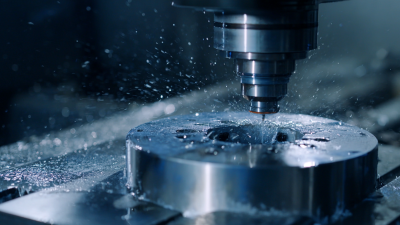
Another essential criterion is production capacity. A supplier's ability to scale operations affects delivery times and pricing. According to a survey, 65% of buyers prefer suppliers with advanced manufacturing technologies. Technologies like CNC machining improve precision and reduce waste. However, not all suppliers can invest in such equipment.
Communication is equally important. Clear lines of dialogue foster better relationships and smoother processes. Yet, miscommunication can lead to delays. A staggering 40% of projects report issues due to unclear specifications. Engaging with suppliers who prioritize transparency is beneficial. It minimizes risks and enhances project outcomes. Prioritizing these criteria can lead to more informed decisions in selecting metal parts suppliers.