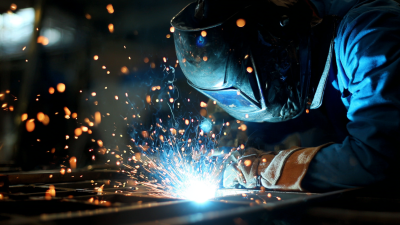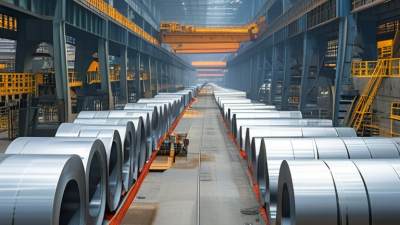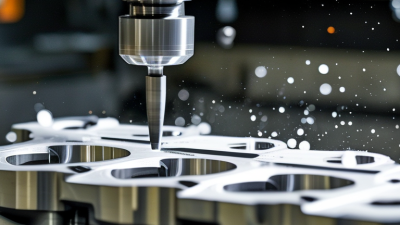
Choosing a metal parts manufacturer is rarely just a price comparison. A drawing may specify stainless steel, a tight tolerance, and a surface finish that must hold up under repeated use. The supplier must turn those details into consistent parts, not simply promise them. Metal Parts Manufacturing depends on process control, skilled people, suitable equipment, and clear communication. Small differences matter.
Quality expert Joseph M. Juran wrote, “Quality is fitness for use.” That idea is useful when comparing suppliers. Buyers should ask how a manufacturer checks dimensions, manages material traceability, and handles defects. Requesting sample parts, inspection records, and realistic lead times can reveal more than a polished brochure. Look for relevant experience with machining, casting, stamping, or fabrication. The right process depends on the part.
Global sourcing adds practical questions. How are packaging, shipping, and updates managed? Who responds when a drawing changes? A low quote can become costly if revisions, delays, or rejected parts follow. Not every supplier will fit every project. That is normal. This guide explores manufacturers for global buyers and the details worth checking before a commitment. It is not a substitute for direct supplier assessment; specifications and production needs differ. Sometimes, the best choice is the one that explains its limits clearly.
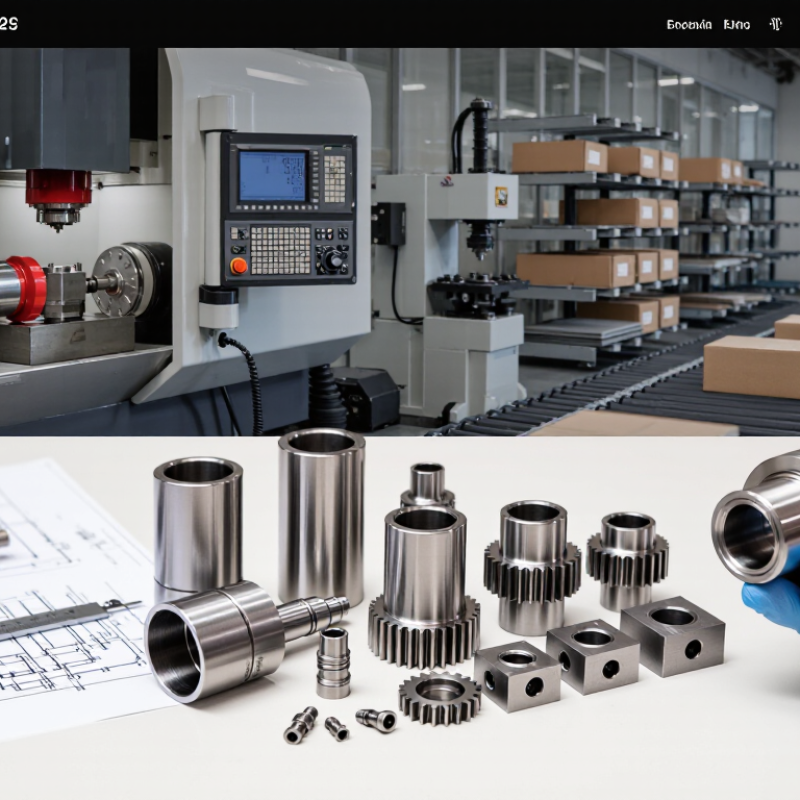
Metal parts manufacturing supports global industries through precision, consistency, and practical engineering. Automotive, medical equipment, renewable energy, and construction companies depend on dependable components every day. A machined housing, stamped bracket, or forged shaft may look simple. Its dimensions can still affect safety, assembly, and service life.
Experienced manufacturers combine CNC machining, sheet metal forming, casting, and surface treatment. They select processes according to material, volume, tolerance, and operating conditions. Quality teams may use coordinate measuring machines, surface gauges, and first-article inspections. Material certificates and batch records also improve traceability across international supply chains. However, no process is perfect. Heat distortion, tool wear, and unclear drawings can create expensive surprises. Open communication helps reduce them.
Tips: Share complete drawings, material grades, tolerances, and expected volumes. Request sample parts before large production runs. Check inspection reports, packaging methods, and export documentation. Ask how the manufacturer handles nonconforming parts. Visit the facility when possible, or review clear production evidence remotely. Small details matter. A missing chamfer can delay assembly. A weak protective coating can fail during ocean transport. Cost is important, but the cheapest quotation may hide rework, delays, or inconsistent quality.

Global metal parts buyers assess manufacturers through process control, not polished catalogs. The right route depends on geometry, alloy, volume, tolerance, and surface requirements. The World Steel Association reported 1.888 billion tonnes of crude steel production in 2023. That scale supports broad material availability, but it does not guarantee stable quality. Source: World Steel in Figures 2024. For a shaft, a forged blank can improve grain flow. For a thin bracket, stamping may reduce cycle time.
Casting forms complex cavities by pouring molten metal into sand, investment, or permanent molds. It suits housings and irregular shapes, although porosity can become a hidden weakness. Forging compresses heated stock between dies. It often improves strength and repeatability. Machining then removes material through turning, milling, drilling, or grinding. A 0.02-millimeter tolerance sounds precise, yet inspection temperature can change results. Manufacturers should verify capability with calibrated gauges and documented first-article checks. ISO 9001 certification helps structure quality systems, but certification alone does not prove process discipline.
Sheet metal fabrication combines laser cutting, bending, punching, and welding. It is practical for enclosures and frames. Additive manufacturing builds parts layer by layer, supporting prototypes and low-volume complexity. However, surface finish and directional strength still need scrutiny. The International Federation of Robotics reported 541,302 industrial robots installed globally in 2023. Automation reduces variation, but poor fixture design can repeat the same mistake faster. Buyers should request material certificates, capability data, weld procedures, and traceability records. One uncomfortable question remains: is the quoted tolerance truly necessary? Tighter specifications can increase scrap and inspection time without improving field performance.
A reliable metal-parts supplier should show how it controls the process, not merely display a certificate. Ask for inspection plans, material traceability, and recent dimensional reports tied to the exact part number. For a machined bracket, that might mean checking hole positions, thread gauges, and surface finish against the drawing. ISO’s 2022 Survey recorded 1,077,884 valid ISO 9001 certificates worldwide. That scale makes certification a useful screening signal, not proof that a factory can meet your tolerances. Ask how nonconforming parts are contained, documented, and corrected.
Capability evidence matters. Review sample parts, measurement-equipment calibration records, and first-article inspection results before approving production. Compare stated tolerances with the actual process and material; a polished brochure cannot reveal tool wear or inconsistent heat treatment. The World Steel Association reported 1.89 billion tonnes of crude steel production in 2023, underscoring the breadth of the material supply chain. It does not verify any supplier’s quality, so request mill test certificates and confirm the grade against your specification. Check lead-time assumptions, packaging, and communication during a small pilot order, too. Small details expose gaps. I would not treat a low quote as a red flag by itself; I would ask what inspection steps, tooling, or finishing it includes. One awkward point: even a strong audit can miss a rushed shift. Keep reviewing.
Criteria for Evaluating Metal Parts Manufacturers: Key Management System Standards
These publication years identify widely used standards relevant to supplier evaluation: quality (ISO 9001), environmental management (ISO 14001), occupational health and safety (ISO 45001), and automotive quality management (IATF 16949). Verify current editions and certificate validity with the issuing organizations; certification alone does not guarantee product quality or supplier suitability.
Leading metal parts manufacturers serve global buyers by turning drawings into components that fit real production needs. A capable supplier can explain material grades, machining limits, surface finishes, and inspection methods in plain language. Ask for evidence. Request sample inspection reports, dimensional checks, and material documentation before approving a production run. Clear records help buyers compare suppliers and investigate defects if they arise.
Look beyond quoted price. A lower unit cost may not include tooling, packaging, freight, or the cost of rework. Discuss tolerances early, especially for holes, threads, and mating surfaces. A tolerance that looks reasonable on paper may be difficult to hold across a large batch. That deserves a second look. Buyers should also confirm how the manufacturer handles design changes, production updates, and delayed shipments. Specific answers are more useful than broad promises. Communication matters.
A factory visit can reveal practical details: clean work areas, calibrated measuring tools, labeled materials, and orderly storage. When travel is not practical, request recent production photos or arrange a live inspection with a qualified third party. No checklist removes every risk. Start with a small trial order, review the parts against agreed specifications, and record any variation before scaling up. This takes time, but it can prevent expensive surprises.
Global buyers compare metal parts suppliers on more than quoted price. A low unit cost can disappear when tooling, freight, inspection, and rejected parts are added. The World Bank’s 2023 Logistics Performance Index assessed 139 economies across six areas, including customs, infrastructure, and shipment timeliness. That makes delivery reliability a practical comparison point: ask suppliers for on-time delivery records and realistic lead times, not just a promised date. Small details matter. A late batch can leave an assembly line waiting.
Technical evidence matters just as much. Compare material certificates, dimensional inspection reports, process controls, and how quickly a supplier responds to a nonconformance. Deloitte and MAPI’s smart-factory study found that 86% of surveyed manufacturing executives expected smart factories to be a key source of competitiveness within five years. The implication for buyers is clear: digital inspection and traceability can make quality records easier to verify. Still, software is not proof of good parts. Request a sample, review measurement results, and check whether the supplier can repeat the process. I would not rely on a polished audit alone; real production can expose gaps that a factory visit misses.