2025 Top Investment Casting Trends and Best Practices for Success
In the ever-evolving landscape of manufacturing, investment casting has emerged as a pivotal technique that offers unmatched precision and versatility across various industries. As we approach 2025, it is imperative for manufacturers, engineers, and designers to stay abreast of the top trends and best practices in investment casting. This sophisticated process, characterized by its ability to produce complex geometries and intricate details, not only enhances product quality but also improves production efficiency.
As industries increasingly demand lightweight and durable components, investment casting stands out as a reliable solution that meets these needs. With advancements in materials and technology, the investment casting process is undergoing transformative changes, presenting new opportunities for innovation and growth. This article aims to illuminate the leading trends shaping the future of investment casting, providing valuable insights into effective strategies that can propel businesses toward success in this competitive arena. By embracing these trends and integrating best practices, stakeholders in the investment casting industry can position themselves to thrive in the coming years.
Emerging Technologies in Investment Casting for 2025
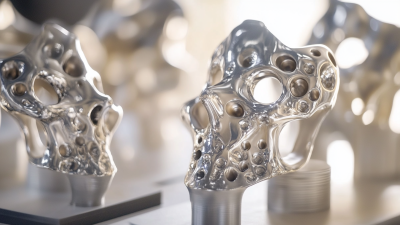
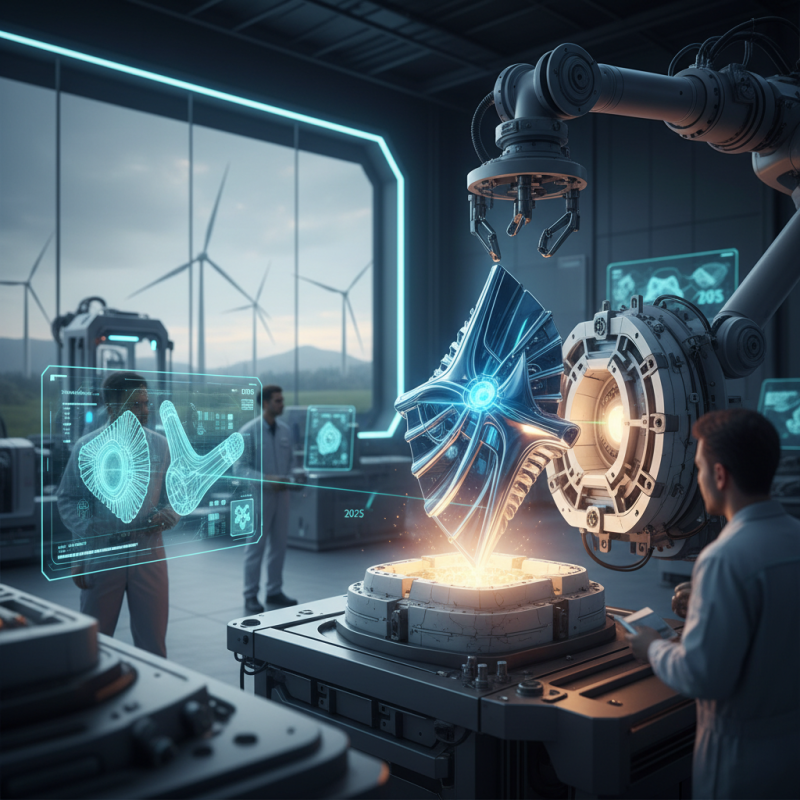
Emerging technologies are set to significantly reshape the investment casting industry by 2025. One of the notable trends is the integration of advanced 3D printing techniques. According to a report by MarketsandMarkets, the global 3D printing market in the aerospace and automotive sectors is projected to reach $8.3 billion by 2025. This growth indicates a rising acceptance and implementation of additive manufacturing processes, which can optimize the design freedom and production efficiency within investment casting. These technologies not only reduce lead times but also allow for more complex part geometries, ultimately enhancing product performance and reducing waste.
Another pivotal development is the application of artificial intelligence (AI) and machine learning in the investment casting process. By utilizing AI algorithms for real-time monitoring and predictive analytics, manufacturers can improve quality control and reduce defects. A study from Deloitte suggests that integrating AI into manufacturing processes can increase productivity by 40%. In investment casting, this means that manufacturers can anticipate potential issues before they escalate, leading to more reliable output and optimized operational costs. As these technologies continue to evolve, they will drive unprecedented levels of efficiency and innovation within the sector, positioning investment casting firms to meet the demands of a rapidly changing market landscape.
Sustainability Practices in Investment Casting Production
Sustainability has become a critical focus in the investment casting industry, reflecting a broader commitment to environmental responsibility. As manufacturers strive to reduce their ecological footprint, several practices are emerging. One key trend is the adoption of recyclable materials throughout the casting process. By utilizing alloys and other materials that can be repurposed, companies are minimizing waste and enhancing resource efficiency. Innovations in 3D printing technologies also support this sustainability trend, allowing for more precise mold production that reduces material usage and energy consumption.
Additionally, investment casting companies are increasingly looking to streamline energy consumption in their operations. Implementing energy-efficient furnaces and promoting the use of renewable energy sources can significantly reduce carbon emissions. Moreover, many manufacturers are now focusing on optimizing their supply chains to ensure that sourced materials align with sustainable practices, thus promoting a circular economy. By integrating these approaches into their production processes, investment casting firms not only improve their environmental impact but also position themselves favorably in a market where sustainability is becoming a decisive factor for customers and stakeholders alike.
2025 Top Investment Casting Trends and Best Practices for Success - Sustainability Practices in Investment Casting Production
| Trend |
Description |
Implementation Strategy |
Expected Impact |
| Recycled Materials |
Incorporation of recycled metal alloys into the casting process. |
Sourcing from certified recycling facilities. |
Reduced waste and lower raw material costs. |
| Energy Efficiency |
Implementation of energy-efficient furnaces and equipment. |
Upgrade to high-efficiency models with better insulation. |
Lower energy consumption and operating costs. |
| Water Conservation |
Reducing water usage in cooling and cleaning processes. |
Implement closed-loop water systems. |
Minimized water footprint and costs. |
| Emissions Reduction |
Striving for lower emissions throughout production. |
Adoption of cleaner technologies and processes. |
Improved air quality and regulatory compliance. |
| Digital Transformation |
Utilizing digital tools for process monitoring and efficiency. |
Invest in IoT and data analytics technologies. |
Increased operational efficiency and reduced waste. |
Market Trends Influencing Investment Casting Demand
The investment casting market is experiencing significant shifts influenced by several key trends. One of the primary factors driving demand is the increasing focus on lightweight materials. Industries such as aerospace and automotive are adopting advanced alloys and composites to enhance fuel efficiency and performance. This trend has led to a higher reliance on investment casting, as this process allows for the creation of intricate shapes and components that are both lightweight and strong, meeting the stringent requirements of modern engineering.
Another notable trend is the integration of digital technologies in the investment casting process. Automation and smart manufacturing practices are becoming integral to improving efficiency and reducing costs. This shift not only streamlines production but also enhances precision and quality control, which are vital for meeting the standards of high-tech industries. Additionally, the use of additive manufacturing in creating molds is gaining traction, enabling more complex designs while reducing lead times. As these technological advancements become more prevalent, investment casting providers must adapt to remain competitive and meet the evolving demands of their clients.
Quality Control Techniques in Modern Investment Casting
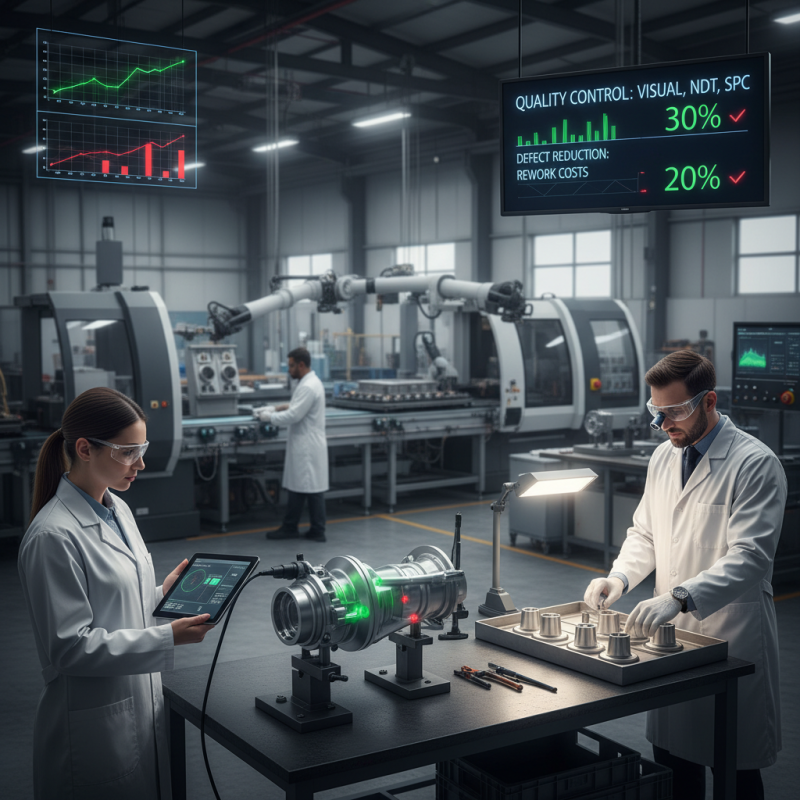
In the context of modern investment casting, quality control (QC) is becoming increasingly crucial. According to a recent report by the American Foundry Society, over 30% of defects in investment casting are attributable to inadequate quality control practices. Implementing stringent QC measures not only ensures adherence to specifications but also enhances overall production efficiency. Techniques like visual inspection, non-destructive testing (NDT), and statistical process control (SPC) are proving vital. In fact, manufacturers that incorporate NDT methods report a decrease in rework costs by approximately 20%, underlining the importance of early defect detection.
Furthermore, advancements in digital technologies are reshaping quality control in investment casting. Utilizing machine learning algorithms to analyze production data can significantly improve defect prediction and corrective measures. A study published in the Journal of Manufacturing Science and Engineering highlighted that companies adopting these technologies observed a 15% reduction in production cycle time and a corresponding increase in product reliability. As such, investing in advanced QC techniques is not only a best practice but also an essential strategy for achieving success in the competitive landscape of investment casting in 2025 and beyond.
Strategic Partnerships for Enhanced Investment Casting Solutions
Strategic partnerships are becoming increasingly critical in the investment casting industry as companies seek to enhance their solutions and streamline processes. According to a report by MarketsandMarkets, the global investment casting market is projected to reach USD 20.88 billion by 2026, growing at a CAGR of 5.6%. This growth highlights the need for collaborative efforts that leverage shared expertise, resources, and technology. By forming strategic alliances, companies can improve their product offerings, reduce lead times, and optimize costs, addressing the evolving demands of various industries such as aerospace, automotive, and medical.
Moreover, the emphasis on sustainability has driven firms to collaborate with suppliers and manufacturers who prioritize environmentally-responsible practices. The Environmental Protection Agency (EPA) has reported that the manufacturing sector can significantly reduce its carbon footprint through such partnerships. As firms adopt innovative materials and processes—like 3D printing in conjunction with traditional investment casting—they can create more efficient and sustainable solutions. By engaging in strategic partnerships, companies not only enhance their operational capabilities but also position themselves as leaders in an increasingly competitive market, essential for long-term success in the investment casting landscape.