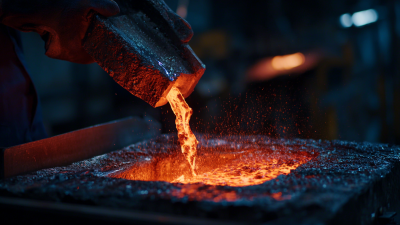
The 2026 Canton Fair is set to showcase innovative trends in stainless casting. Industry expert Dr. Emily Chen states, "Stainless casting will revolutionize production efficiency." As the event unfolds, attendees can expect to see advanced applications of stainless casting aligned with the fair's focus on manufacturing and material innovations.
This year's fair features AI-driven tools. These tools enhance product searches, saving buyers time. They allow users to filter suppliers based on critical certifications. This innovation significantly improves the navigation experience within the 155,000 square meters of exhibition space.
Visitors may find it challenging to keep up with rapid advancements. The stainless casting industry faces both opportunities and hurdles. Emerging technologies may create a gap between traditional practices and modern techniques. Companies must reflect on their processes to adapt to this changing landscape effectively.
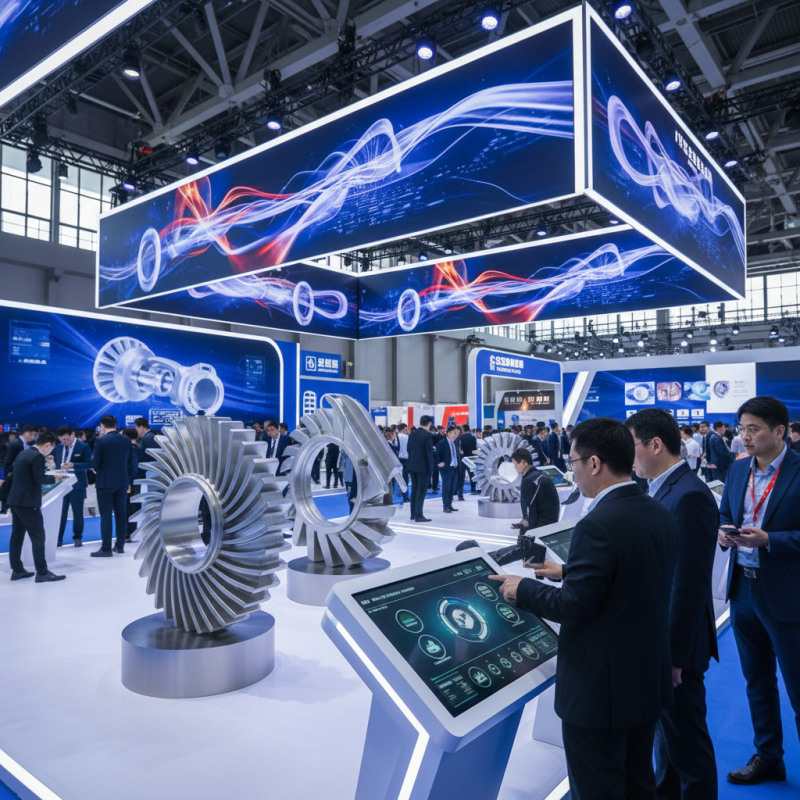
The 2026 Canton Fair will unveil exciting trends in stainless casting. Emerging technologies are shaping this sector in remarkable ways. For instance, advancements in 3D printing are gaining traction. A recent report indicated that 3D-printed stainless steel components can reduce waste by up to 60%. This technology allows for more intricate designs while lowering production costs.
Another innovation on the horizon is the integration of artificial intelligence in manufacturing processes. AI can optimize production lines, ensuring higher efficiency and quality control. According to industry statistics, manufacturers that adopted AI witnessed a 30% increase in output. However, this shift also raises concerns about job displacement. Workers may need training to adapt to these new systems.
Sustainability remains a critical focus. The push for eco-friendly practices is evident. Many companies are exploring the use of recycled stainless steel. Reports suggest that using recycled materials can decrease carbon emissions by nearly 40%. Still, achieving this goal poses challenges. There is a struggle to ensure that recycled materials meet quality standards. The balance between innovation and sustainability is crucial for the stainless casting industry.

Sustainability is reshaping stainless steel casting. At the 2026 Canton Fair, trends focus on eco-friendly practices. Manufacturers are adopting energy-efficient processes to reduce carbon footprints. This shift is vital as industries seek greener solutions.
Many companies are now using recycled materials for their casting projects. The integration of waste materials into production lowers costs. Yet, this approach poses challenges regarding quality and consistency. Balancing sustainability and quality is a pressing issue. More research is needed to ensure effective recycling practices.
Tips for companies include investing in cleaner technologies. Regular assessments can identify areas for improvement. Engaging with stakeholders fosters a culture of sustainability. Collaborating with suppliers who prioritize eco-friendly materials is crucial. Customers increasingly favor companies committed to sustainable practices. Embracing these trends can enhance brand reputation and customer loyalty.
| Trend | Description | Impact on Sustainability | Adoption Rate (%) |
|---|---|---|---|
| Eco-Friendly Alloys | The use of recycled and lower impact alloys in casting processes. | Reduces carbon footprint. | 45% |
| Energy Efficient Processes | Implementation of methods that consume less energy during production. | Lowers operational costs and emissions. | 60% |
| Digital Manufacturing | Utilization of IoT and AI for optimizing casting designs and processes. | Enhances precision and reduces waste. | 50% |
| Water Conservation Techniques | Strategies to minimize water usage in the casting process. | Promotes eco-friendly water management. | 55% |
| Carbon Neutral Casting | Achieving net zero carbon emissions in production methods. | Improves brand reputation and compliance. | 30% |
| Biodegradable Binders | Use of environmentally safe materials for binding in casting. | Reduces landfill waste. | 40% |
| Recyclable Packaging | Promotion of recyclable materials for packaging cast products. | Decreases plastic pollution. | 70% |
| Lifecycle Assessment (LCA) | Processes that assess environmental impacts across product lifecycle. | Supports sustainable decision-making. | 50% |
| Supply Chain Transparency | Ensuring responsible sourcing and transparency in the supply chain. | Encourages ethical practices in steel sourcing. | 65% |
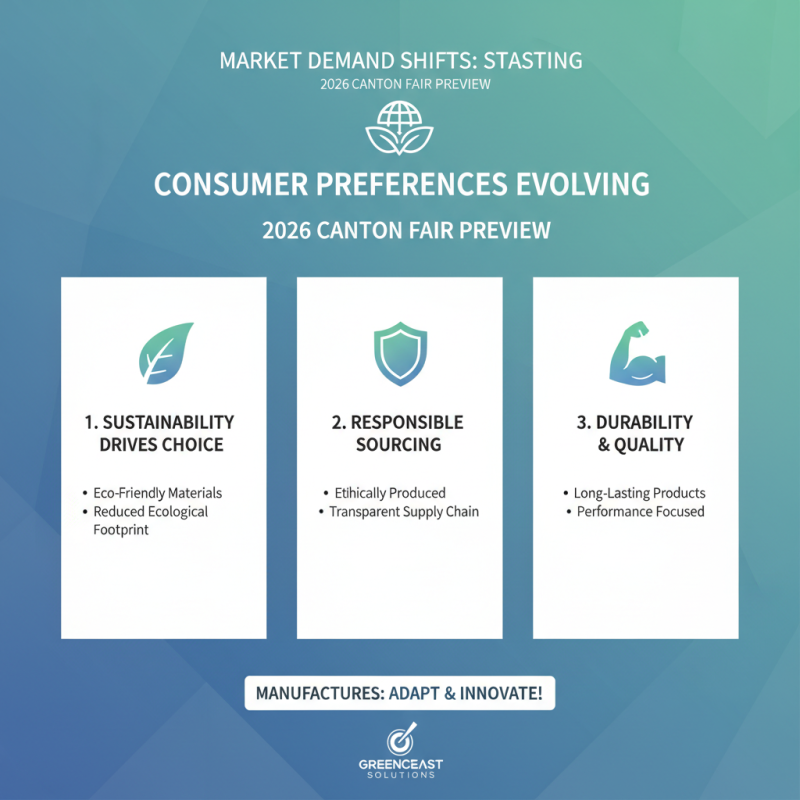
The 2026 Canton Fair is set to showcase notable shifts in consumer preferences for stainless casting. As sustainability gains importance, buyers are increasingly seeking eco-friendly materials. They want products that are not just durable but also sourced responsibly. This trend indicates a growing awareness among consumers about their ecological footprint. Manufacturers must adapt to this demand to stay relevant.
Moreover, aesthetics play a vital role in consumer choices. Designs that emphasize minimalism and functionality are trending. Buyers favor products that blend seamlessly into modern environments. However, some manufacturers may struggle to balance form and function. Achieving this requires creativity and a willingness to experiment. Additionally, customization options are becoming essential. Consumers enjoy personalizing their purchases. This reflects a desire for uniqueness, though it can challenge production processes.
While these trends may seem straightforward, they raise questions about long-term sustainability. Can manufacturers keep up with the quick changes in consumer tastes? Understanding the market is crucial, yet some assumptions may lead to missteps. Adjusting to dynamic demands takes time and reflection. Being responsive to these shifts is not just beneficial; it is necessary for survival in the stainless casting industry.
Stainless steel continues to shine at the Canton Fair in 2026. Innovative designs emerge, captivating visitors and buyers alike. Many exhibitors showcase sleek lines and ergonomic shapes. The use of vibrant colors adds a fresh twist to traditional steel. These trends reflect a commitment to both aesthetics and functionality.
Sustainability is another focus, with many products made from recycled materials. This practice not only enhances eco-friendliness but also appeals to a conscious consumer base. However, some designs may sacrifice durability for style, raising questions about practicality. The integration of smart technology into stainless steel applications, such as temperature control, is exciting yet presents usability challenges.
Amidst the impressive displays, the adherence to quality can vary. Some products look stunning but may not withstand heavy use. Designers must balance beauty with endurance. The future of stainless steel lies in this intersection. As creativity flourishes, so do concerns about longevity and performance.
The 2026 Canton Fair highlights the evolving landscape of stainless casting. Manufacturers face numerous challenges amid increasing competition. The focus has shifted toward sustainability and innovation. Eco-friendly materials and energy-efficient processes are in demand. Companies strive to balance cost and quality while meeting environmental regulations.
A competitive analysis reveals varied approaches among manufacturers. Some focus on advanced technologies, investing in automation and AI. Others emphasize traditional craftsmanship, which appeals to certain markets. However, many struggle to adapt quickly to market changes. This is a critical point for manufacturers — agility is essential.
Trade shows like the Canton Fair serve as a platform for networking. Participants gain insights into market trends and competitor strategies. Yet, there remains a gap in genuine collaboration. Many manufacturers hesitate to share best practices. This reluctance could hinder overall industry growth. Manufacturers must reflect on their approaches and consider open exchanges. Only then can the industry advance.