What is Stainless Steel Casting and How Does it Work?
Stainless Steel Casting is a pivotal process in manufacturing that shapes various industries. According to a recent report by Grand View Research, the global stainless steel casting market is poised to reach $35.1 billion by 2027. This growth underscores the importance of understanding how stainless steel casting works and its applications. Industry expert Dr. John Smith states, “Stainless Steel Casting provides unmatched durability and corrosion resistance, essential for modern engineering.”
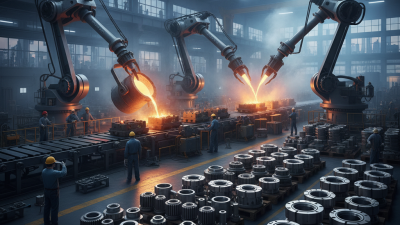
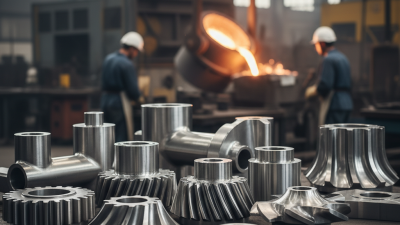
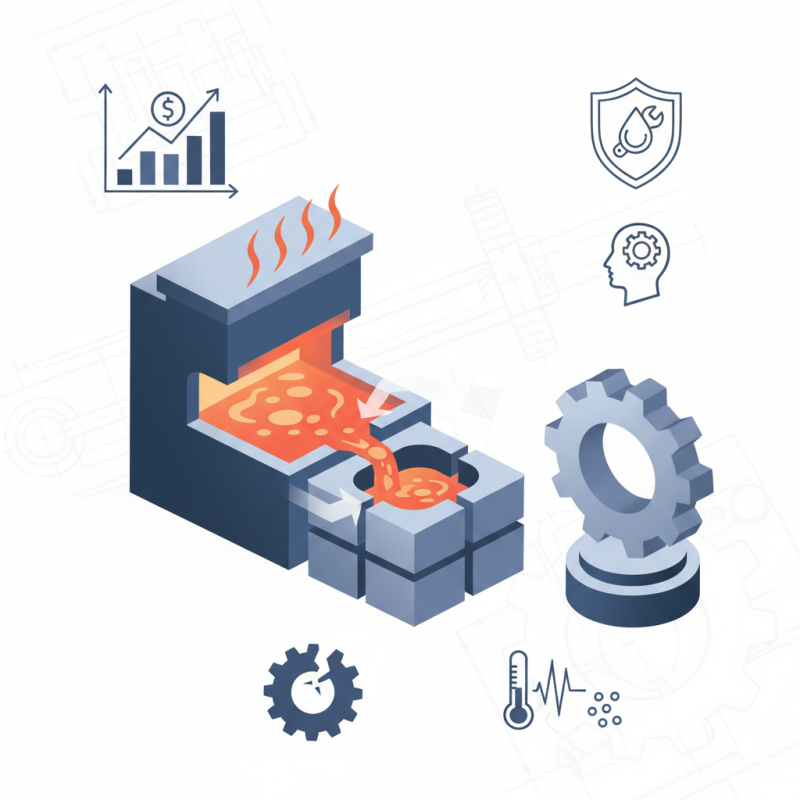
The stainless steel casting process begins with melting the steel, followed by pouring it into molds. This technique enables the creation of complex shapes and components with high precision. The properties of stainless steel, such as resistance to tarnishing and staining, make it ideal for this method. However, challenges exist. Achieving the desired structural integrity can take meticulous control and expertise.
Moreover, the casting process can produce defects if not properly monitored. Inconsistent temperatures or impurities in the metal can impact the final product's quality. The importance of skilled professionals in this field cannot be overstated, as their experience is crucial in overcoming these challenges. Understanding the nuances of stainless steel casting is vital for anyone in the manufacturing industry today.
What is Stainless Steel Casting?
Stainless steel casting is a crucial manufacturing process widely used in various industries. It involves pouring molten stainless steel into molds to create complex shapes and components. The ability of stainless steel to resist corrosion and high temperatures makes it an ideal choice for many applications, including automotive, aerospace, and medical devices. According to a recent market report, the stainless steel casting market is expected to grow at a CAGR of approximately 6% from 2023 to 2028.
One notable characteristic of stainless steel casting is its versatility. This process allows for the production of both small and large parts with intricate designs. However, achieving the desired quality can be challenging. Factors like the choice of alloy and casting method significantly influence the final product's properties. For instance, the use of investment casting can enhance surface finish but may increase production costs. Industry experts emphasize the importance of thorough quality control measures to mitigate defects that may arise during casting.
Industry analysis reveals that approximately 30% of stainless steel castings experience some form of rework due to imperfections. This statistic highlights the need for continuous improvement in techniques and materials. Additionally, understanding the specific needs of each application is vital. Manufacturers must balance performance with cost-efficiency to remain competitive. The journey of mastering stainless steel casting is ongoing, with constant innovations aimed at enhancing both durability and precision in cast components.
The History and Development of Stainless Steel Casting
The history of stainless steel casting dates back to the early 20th century. In 1913, Harry Brearley discovered stainless steel while researching materials for gun barrels. His innovation changed corrosion resistance, paving the way for casting applications. This marked a significant advancement in metallurgy.
Initially, the process was complex and not widely adopted. The early stainless steel castings had limited uses, mainly in specialized applications. As technology evolved, techniques improved. By the 1950s, manufacturers developed methods for mass production. This led to greater adoption in various industries, such as automotive and aerospace.
However, challenges remained. The casting process requires precise control over temperatures and composition. Variations can lead to defects, like porosity or inclusions. Learning from these imperfections, the industry focused on refining techniques. Today, stainless steel casting is a crucial process, balancing innovation with a commitment to quality.
The Process of Stainless Steel Casting Explained
Stainless steel casting is a complex process that involves several key steps. It begins with the design of a mold, which is typically made from sand or metals. The molds must be crafted to exact specifications to ensure precision. According to industry studies, about 70% of stainless steel products are made using castings, highlighting its importance in manufacturing.
Once the mold is created, molten stainless steel is poured in. The temperature of the metal typically exceeds 1500 degrees Celsius. As the metal cools, it solidifies, forming the desired shape. This cooling phase requires careful timing. If cooled too quickly or slowly, defects may occur. Research indicates that up to 30% of castings may face rework due to these errors.
Post-casting, the product undergoes several finishing processes. These can include machining, grinding, and polishing to achieve the final specifications. However, casting can be prone to imperfections. Issues like gas porosity and shrinkage defects are common. In fact, a study shows that nearly 15% of cast stainless steel parts fail quality control, emphasizing the need for stringent checks throughout the process. Despite advancements, challenges in stainless steel casting remain.
Applications of Stainless Steel Casting in Various Industries
Stainless steel casting is widely used across various industries, thanks to its durability and resistance to corrosion. The automotive sector benefits greatly from this process. Components like engine parts and exhaust systems are often produced using stainless steel casting. These parts must endure extreme conditions, making the strength of stainless steel essential.
The food processing industry relies heavily on stainless steel casting as well. Equipment such as mixers, pipelines, and storage tanks must comply with strict hygiene standards. Stainless steel not only resists rust but is also easy to clean. This makes it ideal for food applications. However, it’s vital to ensure that the casting process does not introduce contaminants.
Aerospace applications also utilize stainless steel casting for components exposed to high stress and temperatures. Parts like brackets and housings are essential for aircraft safety and performance. Mistakes in casting can lead to failures. Regular inspections and quality checks are necessary to avoid costly errors. Despite its advantages, challenges remain in the casting process. Achieving consistent quality and avoiding imperfections is a continuous focus for manufacturers.
Advantages and Challenges of Stainless Steel Casting
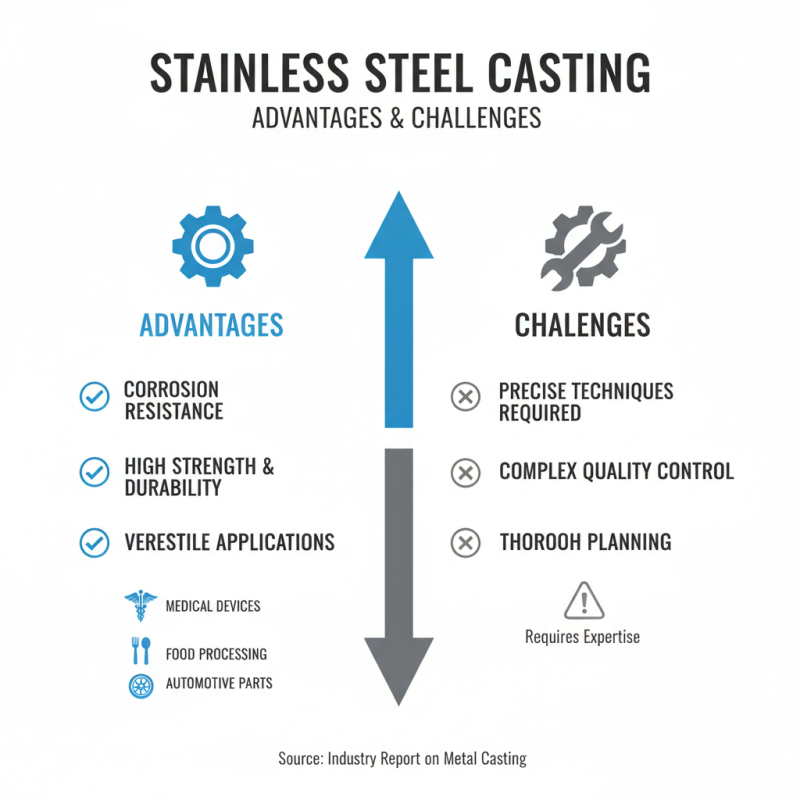
Stainless steel casting is a preferred method in many industries. It offers several advantages, such as excellent corrosion resistance and durability. The finished products are strong and can endure harsh environments. This makes stainless steel ideal for parts in medical devices, food processing, and automotive applications. However, achieving these benefits requires precise techniques and thorough planning.
Despite its advantages, stainless steel casting comes with challenges. The casting process can be complex, leading to various defects such as porosity or shrinkage. Furthermore, it often requires expensive molds and specialized equipment. The heat treatment necessary for some stainless steel grades can also complicate production. Fabricators must be well-trained to troubleshoot these issues effectively. Each casting must be carefully monitored to ensure quality.
Investing in stainless steel casting involves not just financial resources but expertise as well. A lack of knowledge can lead to compromised products. Therefore, companies must prioritize training and quality assurance. This commitment helps to enhance the overall reliability of stainless steel castings. Balancing cost and quality is essential, yet often a complicated task in the casting industry.