How to Optimize Steel Machining for Global Sourcing Success?
In today's competitive landscape, optimizing steel machining is essential for success in global sourcing. Renowned expert Dr. Emily Carter emphasizes, "Effective steel machining enhances efficiency and reduces costs." Her insights resonate deeply within the industry, where the demand for precision and quality is ever-increasing.
Steel machining is not just about cutting metal. It involves strategic planning to maximize resources and minimize waste. Factors like supply chain management and technology play critical roles in achieving optimal results. However, many organizations still struggle to integrate these elements successfully.
Reflecting on common practices, we find that some companies overlook local sourcing advantages. This can lead to higher transportation costs and longer lead times. By addressing such gaps, firms can improve their operations and enhance profitability in steel machining. The path to optimization is not always clear, but with the right focus and adaptability, success is achievable.
Understanding the Basics of Steel Machining in Global Sourcing
Steel machining plays a crucial role in global sourcing success. Understanding its basics can enhance sourcing strategies and lead to significant savings. According to a report by the National Institute of Standards and Technology, precision machining contributes up to 15% of manufacturing costs. Therefore, optimizing these processes is vital.
Effective steel machining involves selecting the right materials and cutting tools. Factors like tool wear and feed rates directly impact production efficiency. A study from the American Society of Mechanical Engineers indicated that improper tool selection can increase processing time by 30%. This inefficiency not only inflates costs but also affects product quality.
Moreover, embracing advanced technologies is essential. Automated machining and AI-driven analytics can help streamline operations. However, some companies face challenges in integrating these technologies into existing systems. Training staff and adjusting workflows require time and effort. As manufacturing continues to evolve, reflecting on these hurdles can lead to better adaptation and improved sourcing outcomes.
Identifying Key Factors for Successful Steel Machining Optimization
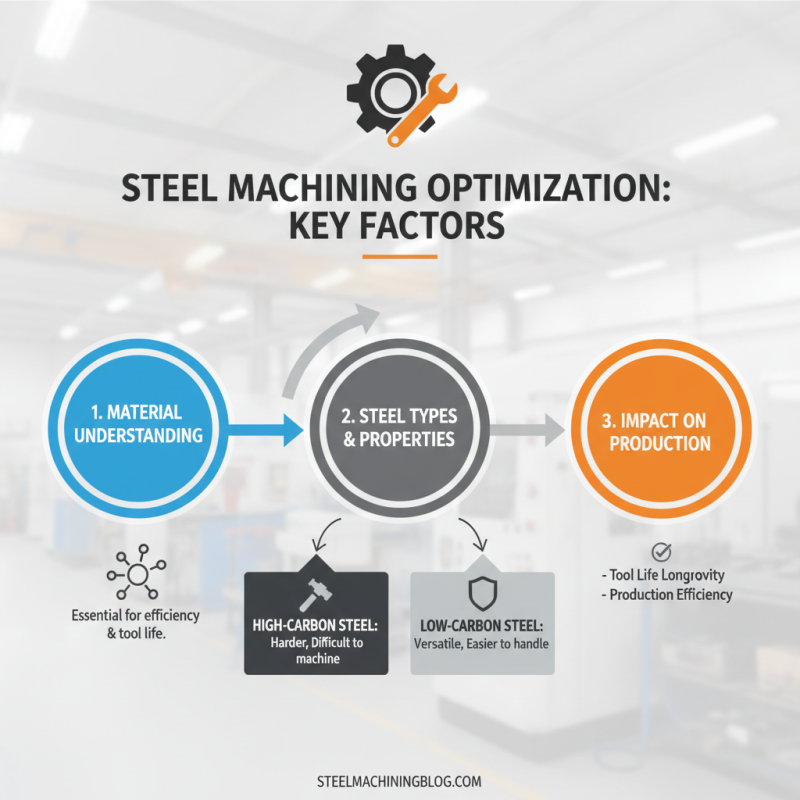
When it comes to optimizing steel machining, several key factors emerge as critical. Understanding materials is essential. Each type of steel has unique properties. Machining specialists should know these differences. For example, high-carbon steel is harder but more challenging to machine. In contrast, low-carbon steel is more versatile and easier to handle. Choosing the right material affects tool life and production efficiency.
Another factor is technology. Advanced machinery can significantly enhance the machining process. CNC machines, for instance, offer precision that manual methods cannot match. They reduce errors and speed up production. However, the investment in technology can be daunting. Not every company has the budget for cutting-edge solutions. This requires careful consideration of cost versus benefit.
Training is also vital. Skilled operators can make or break the output quality. Regular training sessions can help staff stay up-to-date with trends. Yet, it is often overlooked. Some teams may resist change. Lack of leadership support can lead to stagnation. Companies need to foster a culture that values continuous improvement in skills and processes to succeed globally.
Implementing Technology and Automation in Steel Machining Processes
Implementing technology and automation in steel machining processes can dramatically enhance efficiency. Advanced machinery now enables precise cuts and consistent quality. These automated systems reduce human error and increase production rates. Recently, many companies have adopted CNC machines for their precision and repeatability. However, transitioning to automation comes with challenges.
Training staff to operate new machines is not always straightforward. Employees may resist change, fearing job loss or increased complexity. Implementing a gradual integration of technology can help ease this transition. Additionally, it's important to frequently assess the effectiveness of new systems to ensure they meet production goals. Misalignment between technology and operational needs can lead to downtime.
Data-driven decision-making is essential. Collecting real-time data on machining processes allows for better adjustments and improvements. Many companies utilize software to analyze performance metrics. Yet, relying solely on technology without human oversight can introduce risks. Balancing technological capabilities with human intuition is crucial for long-term success. Embracing a culture of continuous improvement can lead to more resilient operations in the steel machining industry.
Establishing Quality Control Measures for Steel Machining Efficiency
Quality control is essential for optimizing steel machining in a global sourcing environment. It guarantees that every piece produced meets stringent standards. Implementing proactive measures is vital. Regular inspections can uncover flaws in the machining process, allowing for immediate correction. Employing real-time monitoring tools can help track deviations from set tolerances.
A well-defined quality control plan includes training personnel. Skilled workers recognize small issues before they escalate. However, issues may still arise. For instance, inconsistent raw material quality can impact the final product. Establishing strong relationships with suppliers ensures they understand quality expectations. Communication plays a key role in resolving discrepancies.
Documentation of processes is equally important. Recording inspection results and production metrics provides valuable data for analysis. This can highlight trends or recurring problems, facilitating continuous improvement. At times, the data may reveal shocking results. Reflecting on these findings can lead to better strategies. Quality control is not just a checklist; it’s a dynamic process that requires constant attention and adjustment.
How to Optimize Steel Machining for Global Sourcing Success? - Establishing Quality Control Measures for Steel Machining Efficiency
| Quality Control Measure |
Description |
Importance |
Implementation Frequency |
| Dimensional Inspection |
Measuring parts to ensure they meet specified dimensions. |
Critical for product fit and function. |
Every batch |
| Surface Finish Testing |
Evaluating surface roughness to ensure quality. |
Affects performance and aesthetic qualities. |
Per production run |
| Material Composition Analysis |
Testing material for desired metallurgical properties. |
Ensures desired strength and durability. |
Before production |
| Tool Wear Assessment |
Monitoring tools for wear and tear during machining. |
Maintains part accuracy and reduces downtime. |
Ongoing |
| Process Control Documentation |
Keeping thorough records of machining processes. |
Ensures consistency and traceability. |
Continuous |
Building Strong Partnerships with Global Suppliers in Steel Sourcing
Building strong partnerships with global suppliers is essential in steel sourcing. Understanding cultural nuances is key. Ensure clear communication and set expectations early. Trust is built through consistent interaction and transparency. Small misunderstandings can escalate into significant issues. Don't overlook the importance of regular check-ins.
When evaluating suppliers, focus on their capabilities and reliability. Consider their production capacity and quality control measures. A good supplier should demonstrate commitment to continuous improvement. Be open to feedback and discussions. It’s important to adapt and refine processes together. This mutual evolution can lead to innovation.
Challenges arise frequently in global sourcing. Logistics can be unpredictable, affecting timelines and costs. Be prepared for fluctuations and have contingency plans ready. Regular reviews of supplier performance can reveal areas for improvement. Embrace these evaluations as opportunities, not just critiques. Balancing expectations and reality helps sustain these critical partnerships.