What is Metal Manufacturing and How Does It Impact Industries?
Metal Manufacturing plays a vital role in various industries. It involves transforming raw metal into useful products. This process affects sectors like automotive, aerospace, and healthcare.
In recent years, Metal Manufacturing has evolved significantly. New technologies improve efficiency and accuracy. However, challenges remain, such as sustainability and waste management. The industry's impact is profound, shaping economies and communities worldwide.
Moreover, skilled labor is essential for this field. Quality and expertise drive success in Metal Manufacturing. Without continuous improvement, companies may struggle to keep pace with advancements. Ultimately, this sector's development influences a wide range of applications and innovations.
Definition of Metal Manufacturing and Its Key Processes
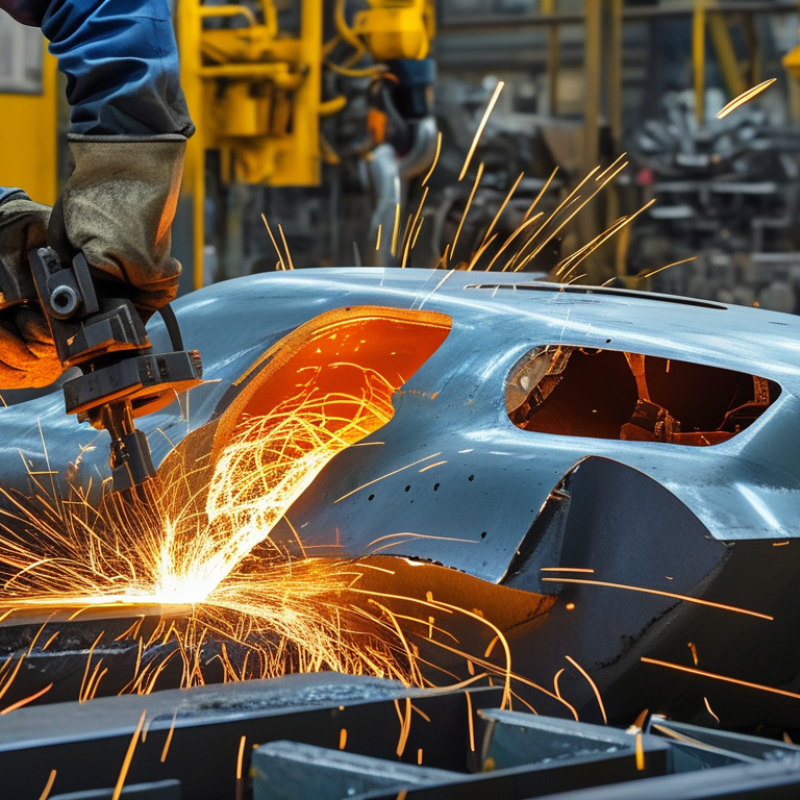
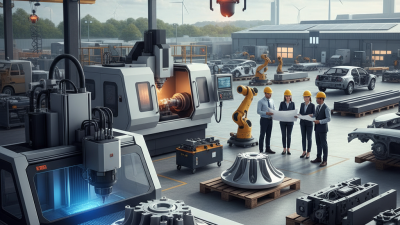
Metal manufacturing is a critical sector that encompasses multiple processes. It involves the transformation of raw metal into finished products. Key processes include casting, forging, machining, and welding. Each method has unique applications and importance in various industries. For instance, casting allows for complex shapes, vital in automotive and aerospace sectors.
In 2023, the global metal manufacturing market was valued at approximately $2.9 trillion, according to industry reports. This figure reflects a growing demand for metal components. Industries rely on high precision and reliability in metal products. The precision machining segment is expected to grow at a compound annual growth rate of 5% over the next five years. This highlights the ongoing evolution within the sector.
Challenges in metal manufacturing persist. These include rising material costs and the need for skilled labor. While automation has improved efficiency, it has also led to skill gaps. Companies need to adapt to these changes. Continuous innovation is essential for maintaining competitiveness in this dynamic landscape.
Impact of Metal Manufacturing on Various Industries
Historical Development of Metal Manufacturing Techniques
Metal manufacturing has a rich history that dates back thousands of years. Early techniques included hammering and forging. These methods relied on manual labor and required great skill. Blacksmiths were highly regarded for their ability to shape metal. Each piece was a unique creation, showcasing the expertise of the craftsman.
As societies progressed, metalworking evolved. The introduction of the smelting process allowed for the extraction of metals from ores. This change marked a significant turning point. It enabled larger-scale production and the use of metal in everyday items. The Industrial Revolution further transformed manufacturing. Mass production techniques emerged, making metal goods more accessible. Yet, this transition wasn't without challenges. Many artisans struggled to adapt to mechanized processes.
The historical development of metal manufacturing shows a blend of innovation and tradition. Techniques evolved, but many ancient methods still hold value. The craftsmanship involved in traditional metalworking teaches lessons on quality and durability. As industries continue to grow, understanding this heritage remains crucial. Reflection on past practices can inspire future advancements in metal manufacturing today.
Major Industries Utilizing Metal Manufacturing Processes
Metal manufacturing plays a critical role across various industries. The automotive sector extensively uses metal components for vehicle frames, engines, and transmissions. Precision is vital here. Each part must meet exact specifications to ensure safety and performance. Yet, inconsistencies can arise due to production errors. This raises the need for constant quality control.
The aerospace industry, another major player, relies on lightweight metals. These materials enhance fuel efficiency and overall aircraft performance. However, the complexity of metal manufacturing processes can lead to challenges in achieving the desired strength-to-weight ratio. Engineers often face tough decisions when selecting materials. Trade-offs in cost, weight, and durability must be carefully weighed.
Construction is yet another industry that significantly benefits from metal fabrication. Steel beams and reinforcements are crucial for structural integrity. The rise of sustainable practices means many constructions now incorporate recycled metals. However, sourcing these materials can be unpredictable, presenting logistical hurdles. The integration of metal manufacturing across these sectors underscores its importance, yet the challenges remind us of the industry's evolving nature.
Environmental Impact of Metal Manufacturing Practices
Metal manufacturing is a crucial aspect of various industries. However, it poses significant environmental challenges. According to the World Bank, metal production is responsible for approximately 20% of global industrial emissions. This highlights the urgent need for sustainable practices in the metal manufacturing sector.
The process of extracting metals consumes immense energy and water. For instance, mining one ton of aluminum requires nearly 300,000 liters of water. Improper waste disposal can lead to toxic contamination of local ecosystems. Furthermore, the U.S. Environmental Protection Agency notes that metal smelting emits pollutants like sulfur dioxide, impacting air quality and human health.
Despite advancements in technology, many regions still rely on outdated methods. These practices can result in excessive carbon footprints. Research from the International Energy Agency indicates that transitioning to cleaner technologies could reduce emissions by up to 50%. It's crucial for the industry to reflect on its impact and seek innovative solutions that minimize environmental harm.
Future Trends in Metal Manufacturing and Industry Implications
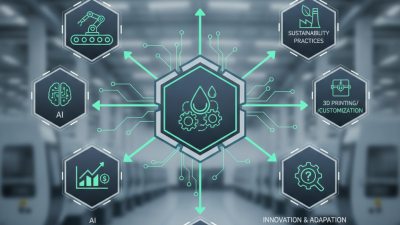
The metal manufacturing industry is undergoing significant transformations in response to evolving technological trends. Automation and artificial intelligence are at the forefront, improving precision and efficiency. According to a report by Research and Markets, the metal manufacturing market is projected to grow by 5% annually, reaching $1.5 trillion by 2026. This growth presents new opportunities, but also challenges regarding workforce skills and sustainability practices.
Additive manufacturing, commonly known as 3D printing, is gaining traction. This method allows for complex designs that traditional methods cannot achieve. The 2022 Wohlers Report highlights that the additive manufacturing sector could surpass $34 billion by 2024. However, the reliance on new technologies raises concerns about material waste and energy consumption. As the sector expands, companies must reflect on their environmental impacts and seek sustainable solutions.
Digitalization is also pivotal. Real-time data monitoring enhances production adaptability. However, industries struggle with integrating these technologies into existing systems. A McKinsey report mentions that only 16% of manufacturers have fully embraced advanced digital tools. The gap between technology potential and actual implementation needs addressing. The future of metal manufacturing relies on balancing innovation with sustainable practices and addressing skills shortages.