Top Metal Fabrication Tips for Beginners and Experts?
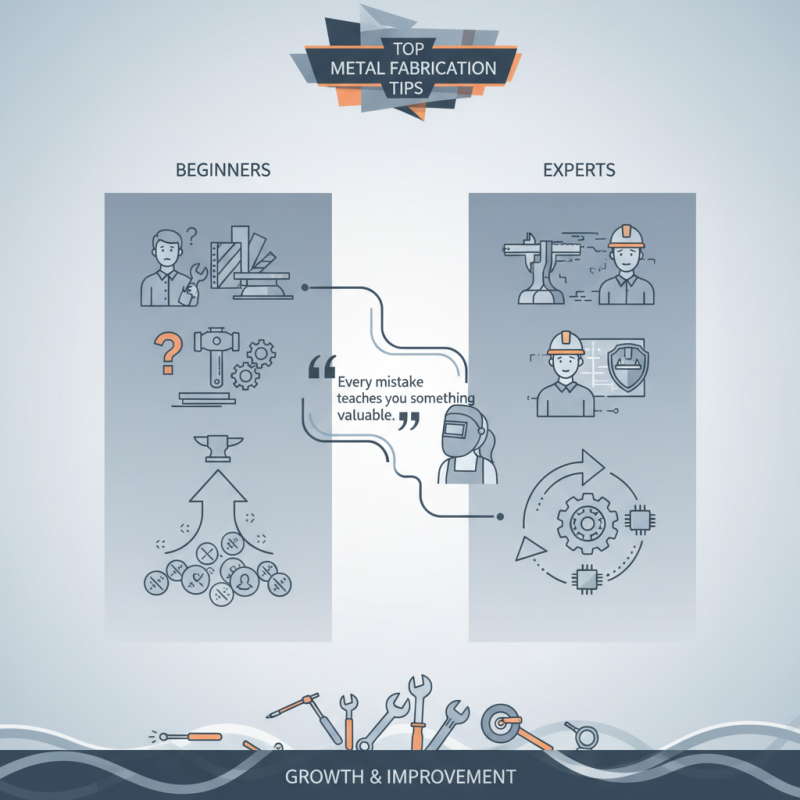
Metal fabrication is a crucial field that combines creativity and precision. Expert fabricator Jane Smith once said, "Every mistake teaches you something valuable." This statement underscores the learning curve in metal fabrication.
Beginners often face challenges, from selecting the right materials to mastering equipment. Mistakes can lead to wasted time and resources, but they also provide lessons. It's essential to embrace these errors as part of the journey.
For seasoned professionals, even small oversights in metal fabrication can have significant impacts on the final product. Staying updated with techniques and safety practices is vital for success. Whether you're a novice or an expert, the world of metal fabrication offers endless opportunities for growth and improvement.
Essential Tools and Equipment for Metal Fabrication Beginners
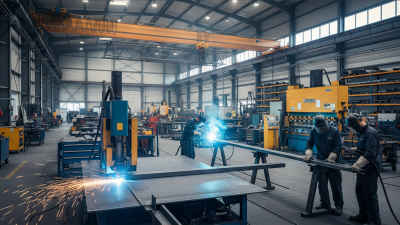
When diving into metal fabrication, having the right tools and equipment is crucial. Beginners should start with basic items like a welding machine, cutting tools, and safety gear. A MIG welder is user-friendly and suitable for various projects. Cutting tools such as plasma cutters or angle grinders help shape metal precisely. Safety goggles and gloves protect against sparks and sharp edges. These fundamental pieces will lay the groundwork for successful fabrication.
As you advance, consider more specialized equipment. A bandsaw can make intricate cuts that basic tools struggle with. A drill press allows for accurate hole placement. A fabrication table provides a stable working surface, which is vital for alignment. Reflect on your setup often; is everything organized? Improper organization can slow down progress.
Investing in tools is essential, but knowing how to use them makes the difference. Familiarize yourself with each tool’s capabilities and limitations. Take time to practice and experiment. Mistakes will happen; it’s part of the learning process. Embrace these challenges. They can lead to better skills and deeper understanding. Each project becomes an opportunity to grow, pushing you closer to mastery.
Understanding Different Types of Metals and Their Properties
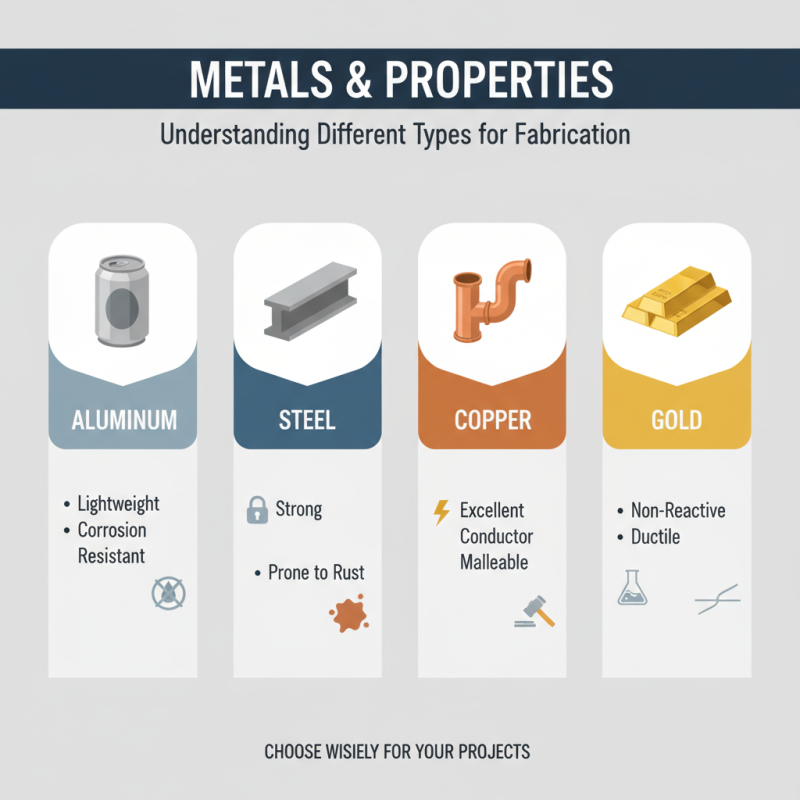
When diving into metal fabrication, understanding different types of metals is crucial. Each metal has its unique properties. For instance, aluminum is lightweight and resistant to corrosion. Steel, on the other hand, is strong but can rust. These differences can affect your choice during projects.
Copper and brass are also notable options. Copper has excellent conductivity, making it ideal for electrical applications. Brass, a mix of copper and zinc, is malleable and resists tarnishing. If you're unsure, always research the metal you're considering. Knowing the properties can save time and resources.
Mistakes can happen while working with metals. Choosing the wrong metal can lead to structural failures. It's vital to do thorough tests and seek advice. Don't rush into decisions. Take the time to reflect on your project requirements. Each step matters in achieving high-quality results.
Safety Precautions Every Metal Fabricator Should Follow
Safety is crucial in metal fabrication. Beginners and experts alike must prioritize it. Always wear protective gear. Gloves, goggles, and helmets can save lives. Check for loose clothing. Long sleeves can catch on machinery. Tighten those laces on your boots. A small slip can lead to serious injuries.
Know your tools inside and out. Each machine has its own risks. Read the manuals carefully. Make note of any safety warnings. Get comfortable with the equipment. Practice using it in a controlled setting. Mistakes can happen, but learning from them is essential.
Keep your workspace clean. Clutter can obscure hazards. Spills should be addressed immediately. Sharp metal scraps can be hidden under debris. Regularly inspect your tools. Dull blades can cause accidents and frustration. Remember, a well-maintained area fosters safe practices. Reflect on your habits frequently.
Basic Techniques for Cutting, Shaping, and Joining Metals
When diving into metal fabrication, mastering the basics is essential. Cutting is a fundamental technique. Methods include
shearing, sawing, and laser cutting. Each method varies in precision and cost,
catering to different projects. For instance, laser cutting offers a clean edge but may strain a tight budget. Industry reports show that
37% of fabricators prefer shearing for thicker metals due to its simplicity.
Shaping metals is another critical skill. Bending and forming can create intricate designs. A common technique is
press brake bending. This method provides consistent angles, but it demands practice to avoid mistakes. Miscalculations can lead to wastage.
According to experts, around 15% of materials are lost during shaping phases due to errors.
Joining metals can be both an art and a science. Welding, riveting, and soldering are the primary joining techniques.
Beginners often struggle with welding consistency, leading to weak joints. A survey highlighted that 40% of novice welders face challenges with penetration and bead appearance.
Refining these skills requires patience and ongoing practice. The journey in metal fabrication is filled with learning moments and opportunities for growth.
Advanced Tips to Improve Precision and Efficiency in Fabrication
Precision in metal fabrication is crucial, whether you are a beginner or an expert. One effective tip is to invest time in planning. A well-thought-out blueprint ensures accuracy during the cutting and assembly stages.
Miscalculations at this stage can lead to wasted materials and lost time. Use software for designs when possible; they help visualize complex structures and catch errors early.
Another key aspect is tool maintenance. Regularly checking your tools enhances performance. Dull blades and worn-out equipment can cause imprecise cuts and increase the risk of accidents.
It's essential to create a routine for inspections. Additionally, setting up a clean workspace minimizes distractions and allows for better focus.
Remember, a cluttered area can lead to mistakes that affect the whole project.
Consider experimenting with different techniques and materials, even if they feel uncomfortable. Pushing your limitations can foster growth. However, it's vital to recognize when a method isn't working. Reflecting on failures helps refine your skills and techniques over time.
Embracing imperfection is part of the improvement process. Each project is a stepping stone to becoming a more skilled fabricator.