Essential Tips for Choosing Casting Pump Parts?
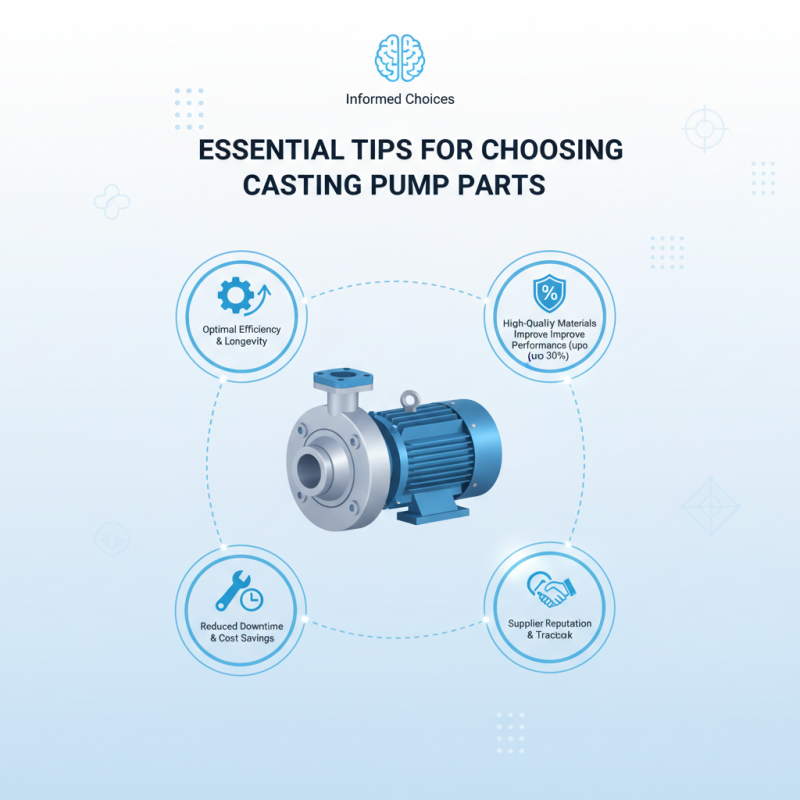
When selecting casting pump parts, making informed choices is crucial. The right components ensure optimal efficiency and longevity in operations. According to a recent study by the Pump Industry Association, using high-quality casting parts can improve performance by up to 30%. This statistic highlights the importance of understanding the material and design specifics when choosing casting pump parts.
Industry expert John Smith emphasizes, "Quality in casting pump parts is non-negotiable for reducing downtime." His insight reflects a common challenge: many companies opt for cost-saving measures that ultimately lead to more significant issues later on. For example, subpar materials can lead to pump failures, increasing operational costs.
While assembling a list of potential suppliers, consider reviewing their reputation and track record. Beware of companies that prioritize speed over quality. The saying "you get what you pay for" often rings true in the casting pump market. Often, taking shortcuts in the selection process can lead to regrets in the long run. Therefore, investing time to choose the right casting pump parts becomes essential for sustainable operations.
Key Characteristics of Durable Casting Pump Parts for Optimal Performance
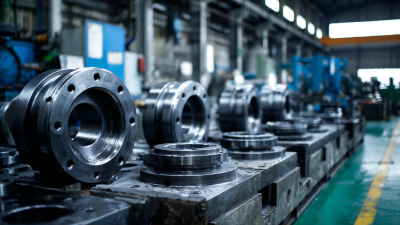
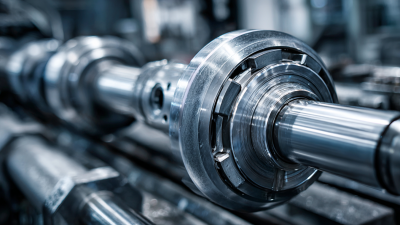
When selecting durable casting pump parts, focus on their materials. High-quality materials, such as ductile iron or stainless steel, resist corrosion. These materials enhance the lifespan of the components, even under harsh conditions. Look for parts with a smooth finish. A polished surface reduces friction and wear. It also improves fluid flow, ensuring the pump operates efficiently.
Consider the design and manufacturing process. Parts that are cast using precise techniques often guarantee better fits and fewer leaks. Examine the weight of the parts; lighter components may indicate lower quality. Heavy parts usually signify robust construction. However, an extremely heavy part might also suggest inefficiencies. Balancing weight with quality is essential.
Don't overlook the importance of compatibility. Ensure that the selected parts fit seamlessly into your existing pump system. Mismatched components can lead to operational failures. Sometimes, users misjudge compatibility based on appearances alone. Always consult specifications for optimal performance. By paying attention to these characteristics, you can find parts that enhance your pump's reliability.
Understanding Material Compatibility for Enhanced Casting Pump Longevity
Choosing the right materials for casting pump parts is crucial. Material compatibility significantly affects the pump's performance and longevity. For instance, data shows that improper material selection can reduce a pump's life by up to 50%. This leads to costly downtime and repairs.
Common materials like stainless steel, cast iron, and bronze each have specific applications. Stainless steel resists corrosion but may not withstand abrasive slurries well. Cast iron is robust and cost-effective but can corrode in harsh environments. Bronze offers good wear resistance but has limitations in high-temperature scenarios. Understanding these properties is vital for optimal performance.
Many professionals overlook compatibility issues until it is too late. Conducting a thorough material analysis is advisable. This includes factoring in the type of fluid, temperature, and pressure conditions. Actual case studies reveal that over 30% of casting pump failures are linked to material mismatches. Failing to address these small details can lead to significant problems and increased maintenance costs.
Cost Analysis of Casting Pump Parts: Balancing Quality and Budget
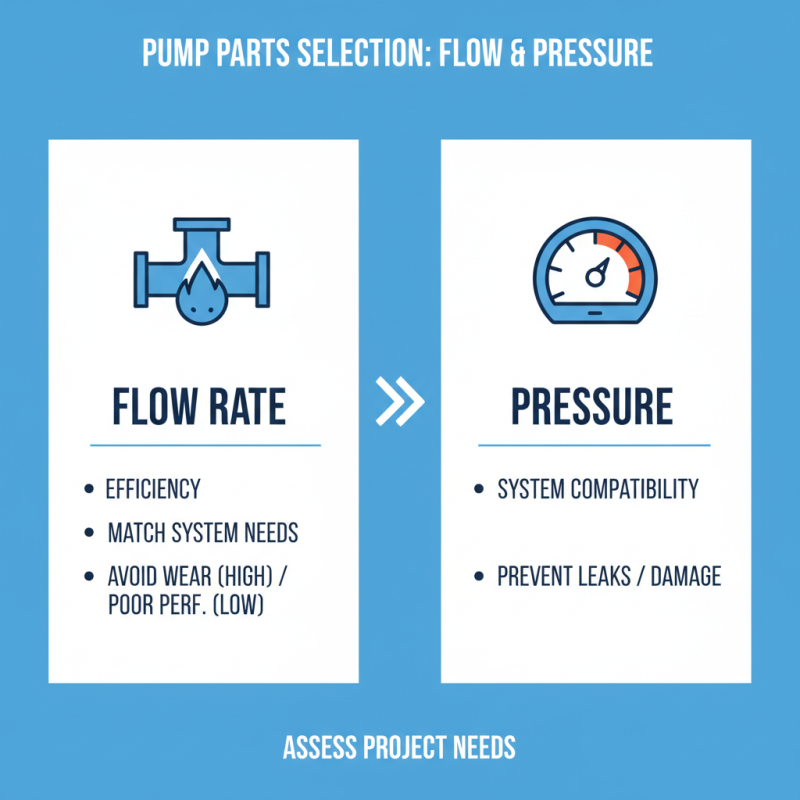
When considering the cost of casting pump parts, quality cannot be compromised. A report from the Pump Industry Analysis indicates that 30% of operational failures are attributed to subpar components. This underlines the importance of choosing parts that provide durability and efficiency.
A wise approach is to conduct a thorough cost analysis. High-quality materials often require a larger initial investment. However, over time, they can result in significant savings. Maintenance costs typically decrease by up to 25% when premium parts are used. This option typically ensures higher performance and fewer replacements.
Balancing quality with budget can be tricky. A cheaper part may seem like a good deal, but can lead to frequent breakdowns. This creates unplanned expenses that can exceed initial savings. Realistically, investing in reliable casting pump parts is crucial for long-term operational success. Reassessing choices regularly can help ensure you make the best financial decisions in the long run.
Maintenance Tips for Extending the Lifespan of Casting Pump Components
Maintaining casting pump parts is crucial for longevity. Regular inspection can prevent unexpected failures. Check for signs of wear or corrosion. Keep an eye on bearings and seals. These components are often most affected by stress.
When cleaning, use appropriate solvents. Harsh chemicals can damage parts. Rinse thoroughly to avoid residue buildup. Pay attention to lubrication. Use the recommended grease or oil. Insufficient lubrication leads to increased friction.
Storage is another important aspect. Keep components dry and sheltered from moisture. Humidity can promote rust. Ensure they are easily accessible for future maintenance. This habit saves time and effort in the long run. Ultimately, consistent care can significantly extend the lifespan of your casting pump components.
Essential Tips for Choosing Casting Pump Parts
| Part Type |
Material |
Tip for Selection |
Maintenance Frequency |
Expected Lifespan |
| Impeller |
Stainless Steel |
Choose based on corrosion resistance |
Monthly |
5-10 years |
| Pump Shaft |
Carbon Steel |
Evaluate load capacity |
Quarterly |
10-15 years |
| Seals |
Rubber |
Ensure compatibility with fluids |
Bi-annual |
3-5 years |
| Bearings |
Bronze |
Check lubrication levels |
Monthly |
7-12 years |
| Volute |
Cast Iron |
Inspect for wear and cracks |
Yearly |
10-20 years |