Why Choose CNC Parts for Your Manufacturing Needs?
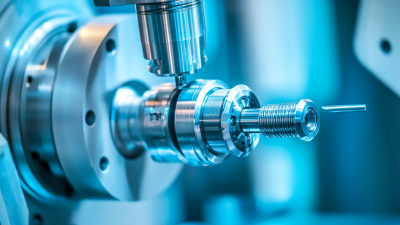
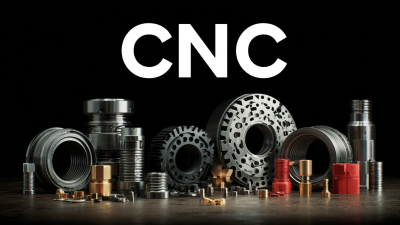
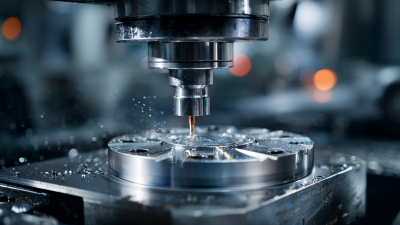
In the world of manufacturing, precision and efficiency are paramount. This is where CNC parts come into play. CNC, or Computer Numerical Control, offers unmatched accuracy. When a project demands intricate details, CNC parts excel.
The benefits of using CNC parts extend beyond mere precision. They ensure consistency throughout production. Each component produced is nearly identical, reducing the possibility of errors. Furthermore, CNC machining can handle various materials, from metals to plastics. This versatility makes it an ideal choice for diverse manufacturing needs.
However, it's essential to reflect on the selection process. Not all CNC parts are created equal. Quality can vary significantly from one supplier to another. Understanding your specific requirements is crucial. Choosing the right CNC parts can lead to tremendous success but requires careful consideration. The journey to find the best parts may be challenging, yet the rewards are worth the diligence.
Understanding CNC Parts and Their Applications in Manufacturing
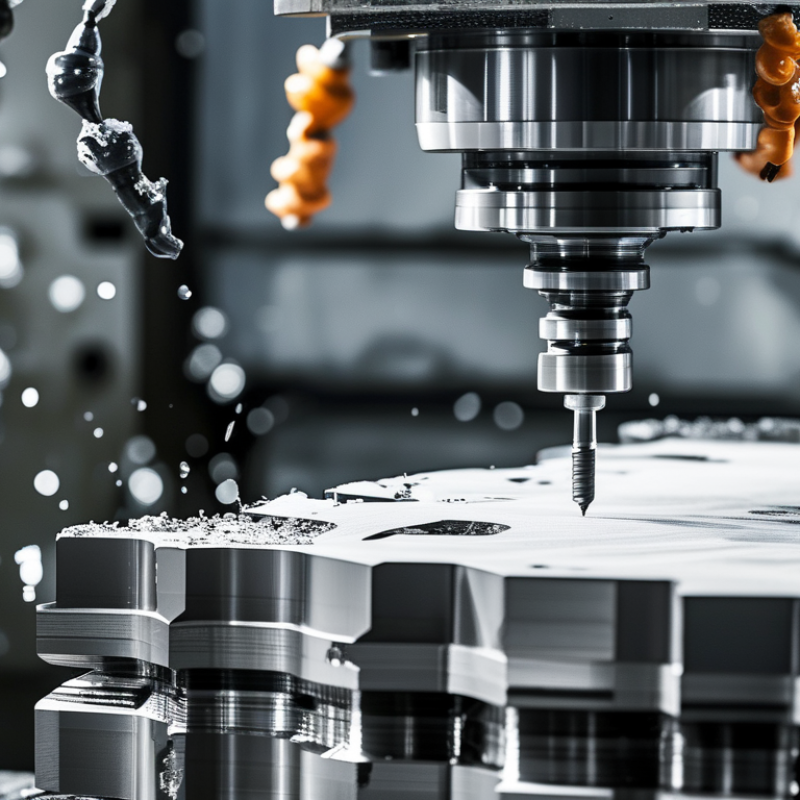
CNC parts play a significant role in modern manufacturing. These components are created using Computer Numerical Control technology. This precise method allows for intricate designs and high-volume production. CNC machining can produce everything from automotive components to medical devices.
Understanding CNC parts means grasping their versatile applications. In aerospace, they ensure lightweight yet durable components. In electronics, they contribute to precise circuit boards. However, the reliance on CNC technology poses challenges. Not all manufacturers can afford the initial costs. Maintenance and skilled labor requirements can be obstacles for some.
Despite these challenges, CNC parts can enhance efficiency. Businesses often weigh the benefits against the costs. There is a learning curve involved. Implementing CNC machines requires training and adaptation. Manufacturers must regularly reflect on workflow efficiency and quality control. This ongoing evaluation is crucial for sustained success.
Why Choose CNC Parts for Your Manufacturing Needs?
| CNC Part Type |
Material |
Application |
Advantages |
| CNC Machined Parts |
Aluminum |
Automotive industry |
High precision and durability |
| CNC Turned Parts |
Stainless Steel |
Medical equipment |
Complex geometries and tight tolerances |
| CNC Cut Parts |
Plastic |
Consumer products |
Cost-effective for mass production |
| CNC Engraved Parts |
Copper |
Electrical components |
Detailed designs and markings |
| CNC Assembly Parts |
Titanium |
Aerospace industry |
Lightweight and strong |
The Advantages of CNC Parts Over Traditional Manufacturing Methods
CNC parts offer distinct advantages over traditional manufacturing methods. One key benefit is precision. CNC machines can achieve tolerances within a few micrometers, ensuring that every part is consistent. This level of accuracy is hard to match with manual techniques. Additionally, CNC machining can handle complex geometries that would be nearly impossible to produce manually.
Another significant advantage is efficiency. Once programmed, CNC machines can operate continuously without fatigue. This results in faster production runs, which is essential for meeting tight deadlines. In contrast, traditional methods often require more time and labor. However, it’s vital to consider that initial setup costs for CNC can be higher. Not all projects will justify this investment, especially smaller runs.
Flexibility is also a key factor. CNC machining can easily adapt to design changes. Modifications can be made quickly in the software, allowing for rapid prototyping. On the other hand, traditional methods may necessitate new tools or molds for changes, which can delay production. This adaptability is invaluable in today's fast-paced manufacturing environment, yet not everyone may be ready to transition to CNC. Balancing costs and benefits requires thoughtful consideration.
Choosing the Right CNC Parts for Your Production Requirements
Choosing the right CNC parts for your production requirements is crucial for achieving efficiency and quality. The selection can significantly impact your manufacturing processes. Consider how different materials, tolerances, and designs will affect your end product's performance. Knowledge about CNC machining can help you make informed decisions.
**Tips:** Always assess the specific needs of your project before selecting parts. For instance, high-strength components may be necessary for heavy-duty applications. Don't overlook the potential benefits of custom parts. They can enhance functionality, but may require longer lead times.
Another factor to contemplate is compatibility with existing equipment. Even the best parts may not function well if they do not fit your current machines. Testing and prototyping can reveal issues early on. This step prevents costly mistakes down the line.
**Tips:** Keep an eye on reviews and discussions in industry forums. Feedback can guide you toward suitable options. Don't hesitate to seek expert advice when uncertain. It's a sign of strength to ask for help when needed.
The Role of CNC Machining in Enhancing Precision and Efficiency
CNC machining plays a vital role in enhancing precision and efficiency in manufacturing. This technology utilizes computer-controlled tools to create intricate designs with high accuracy. The process minimizes human error, ensuring that parts are produced to exact specifications. This consistency leads to better product quality.
When selecting CNC parts, consider the complexity of your designs. More intricate designs may require advanced machining techniques. This can increase production time and costs, so it's essential to balance complexity with the desired outcome. Evaluating your project needs thoroughly will help in making informed decisions.
Tips: Always collaborate with experienced engineers during the design phase. They can provide insights that enhance both efficiency and precision. Additionally, regularly review the machining processes. Identifying areas for improvement can lead to enhanced productivity and reduced waste. Remember, even small adjustments can significantly impact your manufacturing efficiency.
Impact of CNC Machining on Manufacturing Precision and Efficiency
Cost-Effectiveness of CNC Parts in Long-Term Manufacturing Solutions
CNC parts have become a go-to solution in modern manufacturing. Their precision can lead to significant cost savings over time. A recent study indicated that using CNC machining can reduce production costs by up to 30% compared to traditional machining methods. This is primarily due to lower material waste and faster production cycles. The ability to create complex designs without additional tooling can also streamline the manufacturing process.
Investing in CNC parts may seem costly at first glance. However, the long-term benefits can outweigh the initial expenses. Efficient production reduces labor costs and downtime. Additionally, CNC parts often have improved durability, reducing the need for frequent replacements. A study by the Manufacturing Institute showed that manufacturers using advanced technologies, like CNC, improved their profit margins by 20% over five years.
Tip: Evaluate your production needs before choosing CNC parts. Not all projects require high precision, and for simpler tasks, other methods might suffice. Always consider the total cost of ownership, not just the upfront price.
Another consideration is the skill level of your workforce. CNC machines require trained operators. Investing in training can enhance productivity and reduce mistakes. Keep in mind that technology evolves rapidly. Staying updated on CNC advancements can provide competitive advantages.