How to Choose the Right Metal Parts for Your Projects?
Choosing the right metal parts for your projects can be challenging. As industry expert John Smith states, "Selecting the correct metal components is crucial for project success." Metal parts come in various materials and grades. Understanding these options can lead to better outcomes.
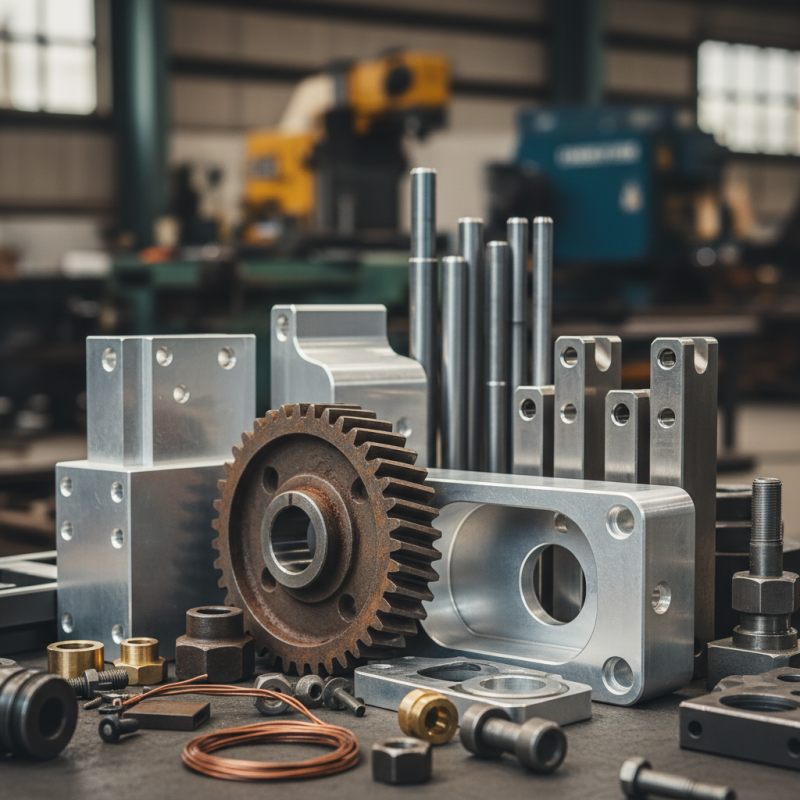
In construction, automotive, and manufacturing, metal parts play a vital role. Choosing materials like aluminum, steel, or titanium depends on specific project needs. Each type has its strengths and weaknesses. For instance, aluminum is lightweight but may not offer the strength of steel.
Many overlook the importance of proper testing. Testing can reveal weaknesses that may not be apparent at first glance. It's essential to reflect on the long-term durability and functionality of metal parts. Making the wrong choice can lead to project failure. Therefore, careful consideration is key in selecting the right metal parts.
Understanding the Different Types of Metals for Projects
When starting a project, understanding the different types of metals is crucial. Each metal brings unique properties to your work. For example, aluminum is lightweight and resistant to corrosion. It is ideal for many applications, from aircraft components to small machinery. However, it can be less durable under heavy loads.
Steel, on the other hand, is strong and versatile. It is often used in construction and manufacturing. Yet, it is susceptible to rust if not properly treated. Consider your project's environment and the stresses involved. Would a stainless steel variant provide the durability you need?
Copper is another option. Its excellent electrical conductivity makes it popular for wiring and plumbing. However, it can be costly, and sourcing it sustainably can be a challenge. Reflect on your budget and the availability of materials. Finding the balance between cost and functionality may lead to unexpected choices.
Understanding Metal Densities for Your Projects
This chart displays the density of various metals commonly used in projects, helping you make informed decisions based on material properties.
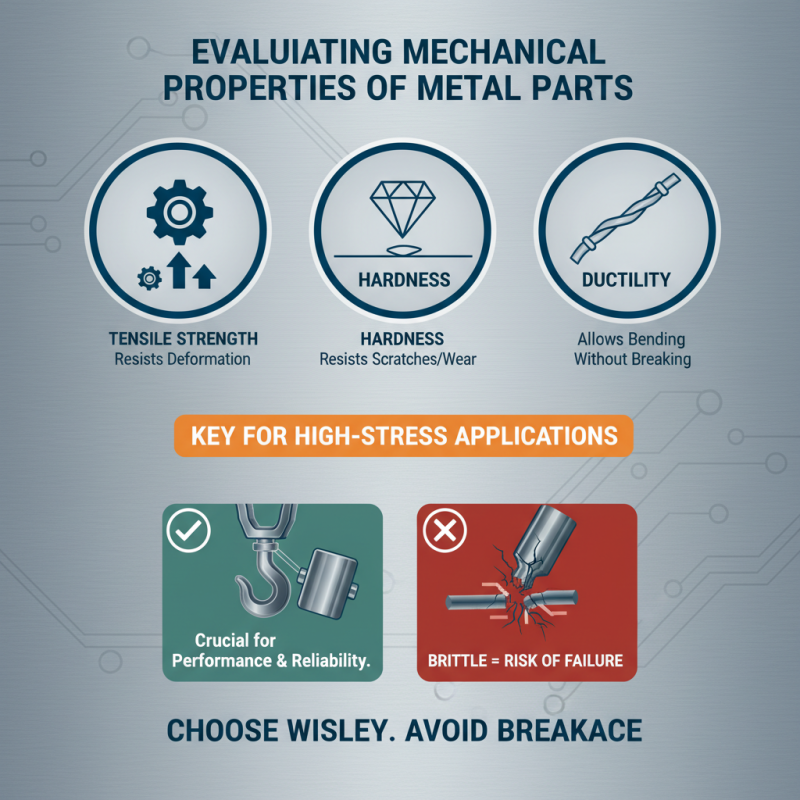
Evaluating Mechanical Properties of Metal Parts
When selecting metal parts, understanding their mechanical properties is crucial. Properties such as tensile strength, hardness, and ductility directly affect performance. For example, a part intended for high-stress applications needs to resist deformation and failure. If the material is too brittle, it may break under pressure. That's a risk you cannot afford.
Consider these tips:
1. Assess the tensile strength. Higher strength means better performance in demanding applications.
2. Look at hardness levels. Harder materials can resist wear but may be less ductile.
3. Evaluate ductility. A balance is needed; too much ductility can lead to deformation over time.
Choosing the right metal part can be challenging. Different projects demand various mechanical properties. Sometimes you may find a perfect match on paper but discover practical issues later. Conducting real-world tests can reveal weaknesses that theoretical evaluations miss. Always be prepared for adjustments. You might need to rethink your initial choices based on real-world feedback.
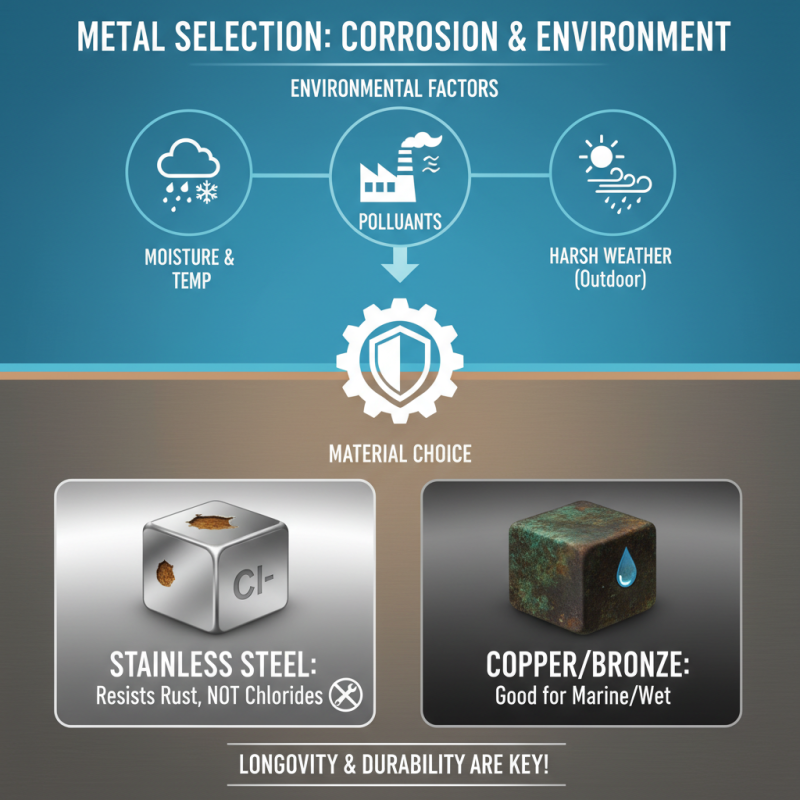
Considering Corrosion Resistance and Environmental Factors
When choosing metal parts for your projects, consider corrosion resistance and environmental factors. Different metals react uniquely to moisture, temperature, and pollutants. For outdoor applications, select materials that can withstand harsh weather. Stainless steel, for instance, resists rust, but isn't immune to chlorides. This knowledge is crucial for longevity.
Tips: Always evaluate the local environment. If you’re in a coastal area, pick materials that can endure saltwater exposure. Aluminum can be a good choice, but it can oxidize over time. Regular maintenance is key.
Think about the lifecycle of your project. What will happen over time? Metal parts in humid climates may corrode faster, impacting performance. Test metals under simulated environmental conditions.
Tips: Use protective coatings to enhance resistance. These can provide additional barriers against elements. Remember, even the best metals need care and regular checks. Are you prepared for that? Reflect on your project's requirements before finalizing your material choices.
Assessing Cost and Availability of Metal Materials
When starting a project, consider the cost and availability of metal materials. Prices can vary significantly based on the type and source. For instance, aluminum is often more affordable than stainless steel. However, your choice should also depend on the project’s needs. For structural requirements, strength might outweigh cost considerations.
Availability is another critical factor. Some metals may be abundant, while others have limited supply. Research local suppliers and their inventory. Sometimes, metals available in bulk can offer better pricing. On the other hand, uncommon metals might lead to delays or inflated costs.
Don’t ignore the impact of market trends on metal prices. Fluctuations can affect your budget. Keep an eye on industry news for insights. Reflect on your choices frequently, as initial decisions may need adjustments. Balancing cost and quality often requires reevaluation as the project progresses.
Exploring Fabrication Techniques for Your Metal Components
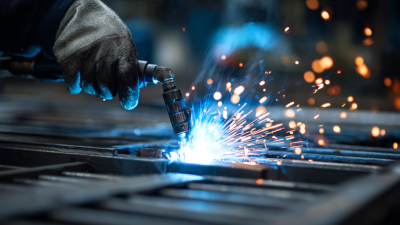
When selecting metal parts for projects, understanding fabrication techniques is crucial. Different methods can significantly enhance the strength and durability of components. For instance, welding is often the go-to process for joining metals. According to a report from the Fabricators & Manufacturers Association, about 50% of all metal fabrication shops utilize MIG or TIG welding due to their versatility and reliability.
Furthermore, laser cutting has gained popularity for its precision. The industry growth rate for this technique is projected to exceed 5% annually. It offers clean cuts with minimal material loss, which is vital in modern manufacturing. However, despite its benefits, laser cutting may not always be cost-effective for small runs. Exploring alternative methods like water jet cutting could provide promising results without breaking the budget, though it too has limitations.
When considering these techniques, assessing material properties is just as important. Factors like tensile strength and thermal conductivity can impact the suitability of a metal for specific projects. A recent analysis showed that nearly 30% of fabricated parts fail due to incorrect material selection. Understanding these nuances ensures the creation of more reliable components. It's a reminder of the complexity involved in metal fabrication, where every decision can lead to different outcomes.