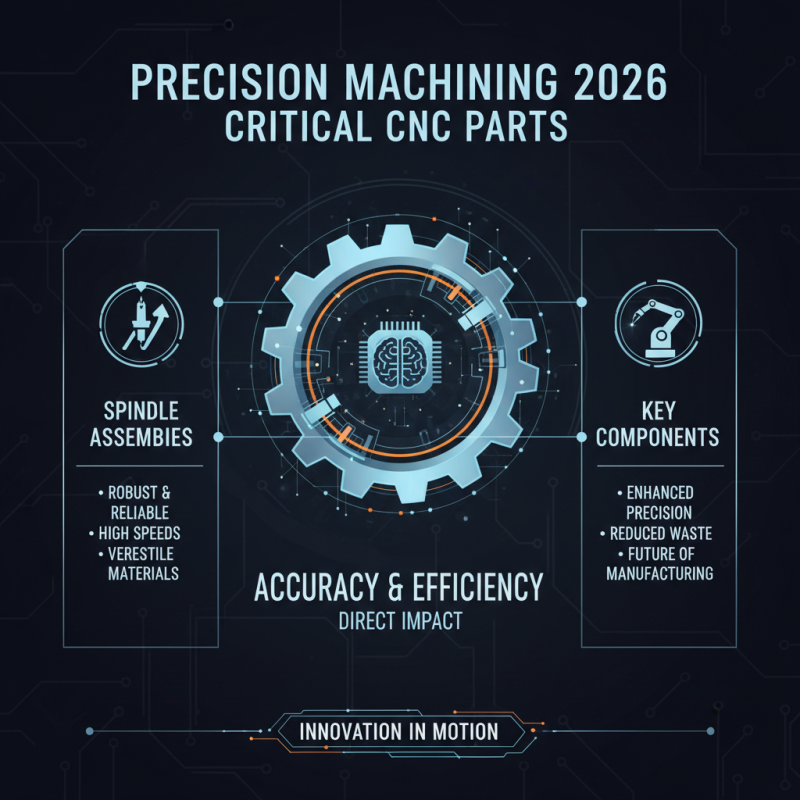
Best Cnc Parts for Precision Machining in 2026?
In 2026, the demand for precision machining is set to grow significantly. Key players in the industry must focus on the best CNC parts available. These components can enhance efficiency and accuracy in the machining process.
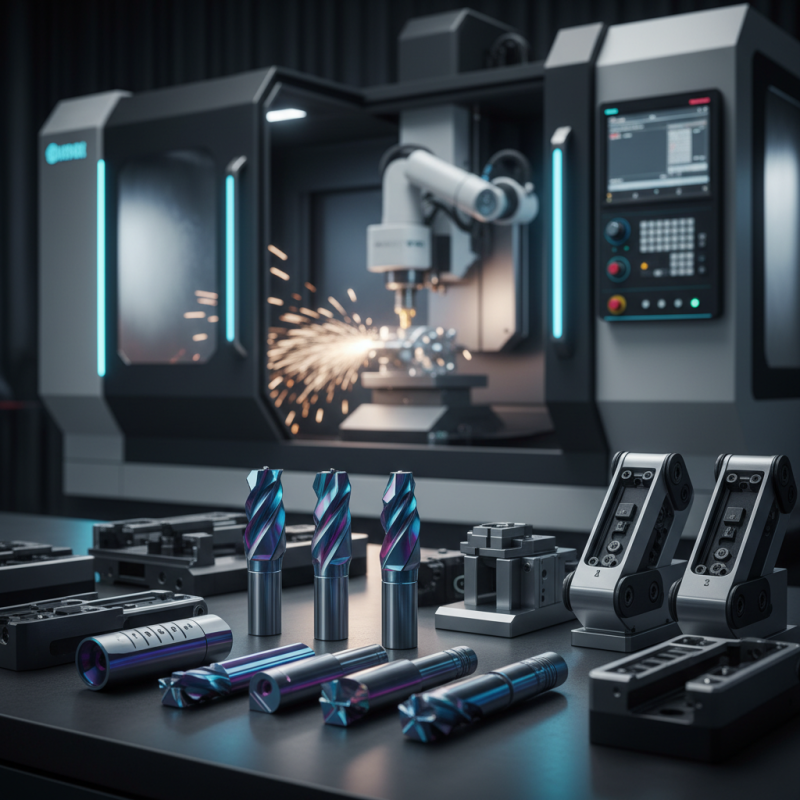
CNC parts, including cutting tools and fixtures, play a vital role in shaping the future of manufacturing. Companies must evaluate their choices carefully. The right components can lead to improved product quality, while poor selections may cause delays and errors.
With rapid advancements in technology, staying updated is crucial. Innovations in CNC parts offer new opportunities but also present challenges. Manufacturers need to adapt quickly to remain competitive. It’s essential to reflect on past experiences and learn from them to make informed decisions moving forward.
Overview of Precision Machining and CNC Technology in 2026
Precision machining has evolved significantly, especially in 2026. This year, CNC technology continues to lead the charge in precision manufacturing. According to industry reports, the global CNC machining market is projected to reach $100 billion by 2026, highlighting its growing importance. The emphasis on accuracy is critical. Many manufacturers still struggle with consistent tolerances, revealing areas for improvement.
In 2026, the integration of AI and machine learning in CNC processes is a game-changer. These technologies enhance real-time monitoring, allowing for immediate adjustments. However, not all companies have fully adopted these technologies. A recent survey indicated that only 45% of manufacturers utilize advanced AI in their CNC operations. The gap is concerning, and many businesses must reflect on why they lag behind.
Additionally, the demand for high-quality CNC parts is rising. A report states that 70% of manufacturers prioritize material quality in their machining processes. Yet, there remains a challenge in sourcing sustainable materials. Companies need to focus on their supply chains. This focus could result in breakthroughs in sustainable practices, benefiting the environment and the industry. Such efforts require constant evaluation and innovation.
Materials Best Suited for CNC Machining in 2026
When considering CNC machining in 2026, materials play a crucial role in achieving precision.
Aluminum remains a popular choice due to its lightweight and excellent machinability.
It is widely used in various industries, including automotive and aerospace.
Although it is easy to work with, achieving a flawless finish can be a challenge.
Another rising star is advanced polymers.
They provide unique properties, such as resistance to chemicals and temperature.
Their lightweight nature offers advantages, but the precision required for intricate designs can lead to issues.
Engineers must refine their processes to maximize the benefits of these materials.
Lastly, titanium is a strong contender for high-performance applications.
It is incredibly durable and resistant to corrosion.
However, it can be difficult to machine. Tool wear and machining time are major concerns.
Careful planning and strategy are essential for successful operations.
The right selection of materials is key to overcoming these obstacles.
Innovations in CNC Part Design and Manufacturing Processes
The landscape of CNC part design and manufacturing processes is evolving rapidly. Innovations in materials and machine capabilities are shaping the future of precision machining. According to a recent industry report by the International Federation of Robotics, the demand for CNC machines is expected to increase by over 10% annually through 2026. This growth is fueled by industries like aerospace, automotive, and healthcare, requiring high-precision components.
Manufacturers are now integrating advanced technologies like AI and IoT in the design process. These technologies enhance predictive maintenance and improve the overall efficiency of production lines. For instance, using generative design can lead to lighter and stronger parts, a key requirement in sectors where weight reduction is crucial. However, this shift also raises questions about the balance between automation and human oversight.
**Tip:** Regular training on new technologies is essential. Keeping your team updated helps maintain high standards of quality and innovation.
Finding the right balance in CNC machining can be challenging. Companies need to evaluate both cost and precision. While advanced machinery can improve efficiency, they also come with higher initial investments. Assessing the long-term benefits is vital to making informed decisions.
**Tip:** Run pilot tests before full-scale production. This approach minimizes risks and uncovers potential design flaws early.
Best CNC Parts for Precision Machining in 2026
This chart shows the projected market demand for various CNC parts in 2026. Aluminum and Steel parts are expected to have the highest demand, reflecting trends in manufacturing and material selection in precision machining.
Future Trends in CNC Parts and Precision Machining Techniques
As we look forward to 2026, CNC machining is evolving rapidly. New materials are emerging, such as lightweight composites and advanced alloys. These materials require precise techniques to ensure high-quality outcomes. The integration of automation and AI will enhance productivity. However, this shift is not without challenges. The initial setup costs can be quite high, limiting accessibility.
Techniques in precision machining are also changing. Additive manufacturing is becoming more mainstream. It allows for creating complex geometries that traditional methods cannot achieve. Yet, there is a learning curve involved. Workers must adapt to new software and design principles. Some may find it daunting.
Sustainability is another important aspect. Companies must balance efficiency with environmental responsibility. Recycling materials and reducing waste is becoming standard practice. However, not all manufacturers are ready to make these changes. The path to innovation is filled with obstacles that need addressing. There is much to consider as we advance towards this new era in machining.