Top Benefits of Silica Sol Precision Casting for Global Buyers?
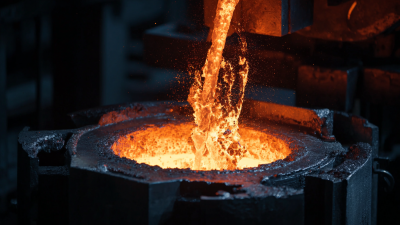
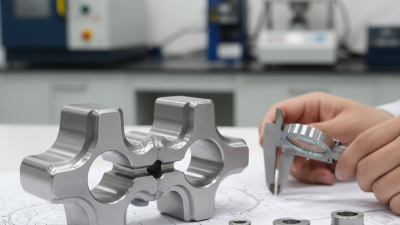
Silica Sol Precision Casting presents significant advantages for global buyers in various industries. This advanced casting method enhances the quality and precision of metal parts. A report by the International Journal of Advanced Manufacturing Technology highlights a 20% increase in production efficiency when employing silica sol techniques. This method minimizes defects and enhances surface finish, crucial for industries demanding high precision.
"Silica Sol Precision Casting is transforming the way we approach manufacturing," says Dr. Emily Chen, a leading expert in advanced materials. Her insights emphasize the importance of this technology in maintaining competitive advantages. Global buyers increasingly prefer silica sol due to its ability to create intricate designs with remarkable accuracy. This precision not only reduces waste but also lowers costs in the long run.
Yet, challenges remain. Not all manufacturers possess the expertise to implement this technique effectively. Limited knowledge can lead to inconsistent quality and missed opportunities. Buyers must carefully vet suppliers to ensure they leverage the full benefits of Silica Sol Precision Casting. Strong partnerships and ongoing training are key to overcoming these hurdles, making informed choices essential for success.
Overview of Silica Sol Precision Casting Process and Its Applications
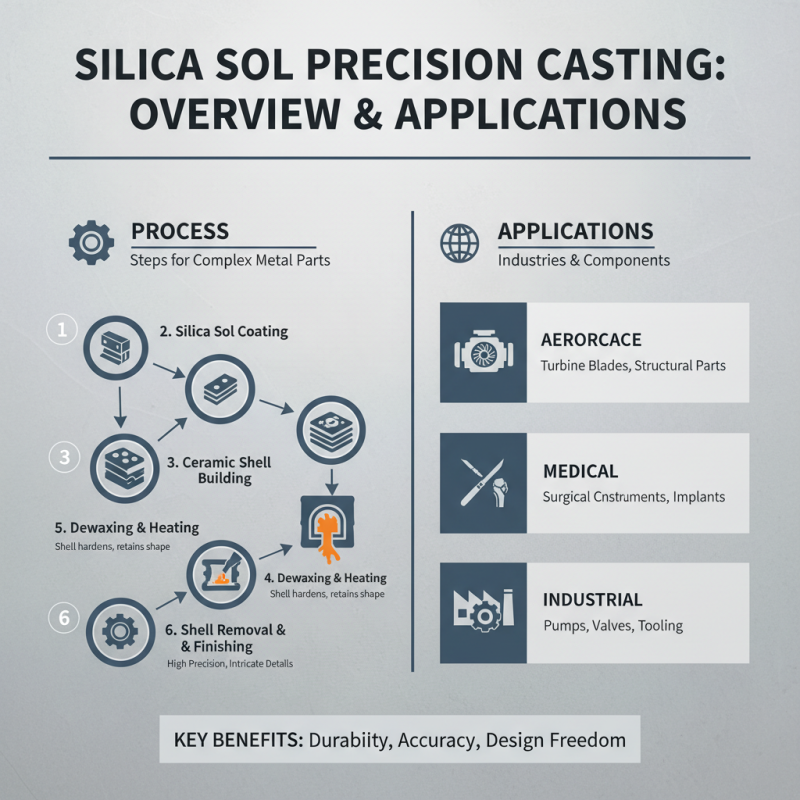
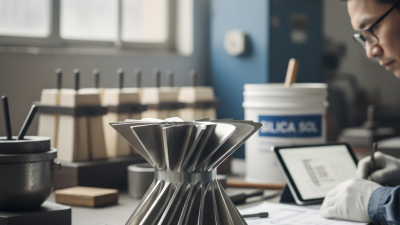
Silica sol precision casting is a unique manufacturing process. It utilizes fine silica sol to produce complex metal parts with high precision. This process involves creating a ceramic shell around a pattern coated in silica sol. When heated, the shell hardens and retains the shape of the original pattern. This results in durable molds that yield intricate details in the final casting.
One of the key applications of silica sol casting is in the aerospace and automotive industries. These sectors require components that can endure high stress and perform reliably. Parts like turbine blades and engine casings benefit from this casting method. The precision achieved can significantly reduce the need for post-processing, which saves time and production costs. However, despite its advantages, the initial setup can be complex and may require skilled technicians.
Another area of application is in artistic sculptures and custom designs. Artists appreciate the ability to replicate fine details in their work. Yet, this process isn't foolproof; imperfections can occur during the casting, leading to potential rework. Precision casting demands careful monitoring of conditions to minimize these issues. An awareness of the challenges involved is crucial for buyers aiming to leverage this advanced casting technique effectively.
Key Advantages of Silica Sol Precision Casting for Global Manufacturing
Silica sol precision casting offers significant advantages for global manufacturing. This method utilizes a silica sol binder, which allows for finer detail and smoother finishes. Reports show that parts produced this way can achieve dimensions within ±0.02 mm. This precision is crucial for industries requiring tight tolerances, such as aerospace and automotive.
One key benefit is the reduced need for post-processing. Traditional casting often involves extensive finishing, adding time and cost. Silica sol casting minimizes these additional steps by producing high-quality surfaces directly. Additionally, the casting process is versatile. It can create complex geometries that are difficult to achieve with other methods. This flexibility reduces material waste, aligning with sustainability goals in manufacturing.
However, the process can be sensitive to temperature and humidity conditions. These factors can affect the final product's quality. Manufacturers need to implement strict control measures to mitigate these risks. Proper training and experience in handling silica sol materials are essential for achieving optimal results. Companies focusing on precision must weigh these challenges against the benefits to ensure successful production. High-quality standards are expected globally, and this casting method can meet those demands effectively.
Comparison of Silica Sol Casting to Traditional Casting Methods
Silica sol casting presents notable advantages over traditional methods. The primary difference lies in its precision and surface finish. This process allows for intricate designs and tighter tolerances. It minimizes the need for extensive machining, which saves time and costs. Many manufacturers appreciate these properties in industries like aerospace and automotive.
Another critical aspect is the elimination of the shell mold defects commonly seen in sand casting. Silica sol molds produce cleaner casts with less porosity. This results in stronger and more durable parts. The improved thermal stability also enhances the casting process, allowing for better replication of designs.
However, some challenges persist. Silica sol casting can be more technically demanding. The initial investment in silica sol technology might deter some manufacturers. Knowledge and expertise are essential. Overcoming these hurdles can lead to significant long-term benefits for buyers looking for precision and quality in their products.
Top Benefits of Silica Sol Precision Casting for Global Buyers
| Feature |
Silica Sol Casting |
Traditional Casting Methods |
| Surface Finish |
Excellent surface finish with minimal machining required |
Rougher finish often requiring extensive machining |
| Dimensional Accuracy |
High precision and tight tolerances |
Lower precision, wider tolerances |
| Production Time |
Reduced production time due to faster mold setting |
Longer production times due to multiple stages |
| Material Versatility |
Compatible with various alloys and metals |
Limited compatibility with certain materials |
| Cost-Effectiveness |
Cost-effective for small to medium production runs |
More economical for large batch production |
Environmental and Economic Benefits of Using Silica Sol Casting
Silica sol precision casting offers remarkable environmental and economic benefits for buyers worldwide. According to a report by MarketsandMarkets, the demand for silica sol is projected to reach $1.6 billion by 2025, reflecting its growing importance in various industries. This casting method provides intricate mold designs with superior surface finishes, reducing the need for extensive post-processing. As a result, manufacturers can save both time and resources.
From an environmental perspective, silica sol casting generates less waste compared to traditional methods. It uses water-based materials, minimizing harmful emissions. The Journal of Cleaner Production highlights that transitioning to non-toxic casting methods can lower carbon footprints by up to 30%. However, early-stage implementation may present challenges, such as the need for specialized training and equipment adjustments.
Economically, businesses that adopt silica sol casting can experience significant cost savings. The precise nature of this technique reduces material usage and minimizes defects. According to a study from the International Journal of Manufacturing Technologies, firms report up to a 25% reduction in operational costs after transitioning to silica sol casting. While the initial investment might be substantial, the long-term savings and sustainability benefits are substantial.
Case Studies: Success Stories of Silica Sol Precision Casting in Industry
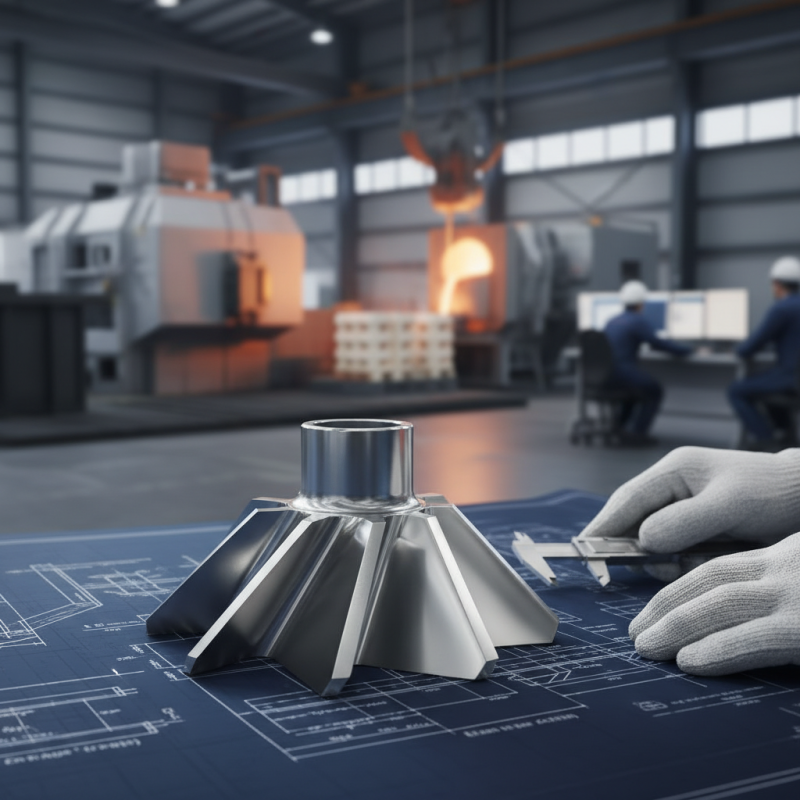
Silica sol precision casting has gained traction across various industries, primarily due to its superior casting quality and adaptability. In a case study focusing on aerospace components, manufacturers reported a 15% reduction in production costs. This was largely due to the decreased need for post-processing. Additionally, the precision achieved through this method allows for lighter and more efficient designs, essential in aerospace engineering.
The automotive sector has also embraced silica sol casting. A notable instance involved an automotive company that achieved a 20% increase in efficiency while reducing scrap rates by 30%. These numbers highlight the potential for significant cost savings in high-volume production. The precision of silica sol casting ensures that components fit seamlessly, reducing the likelihood of failures. However, achieving such precision requires investment in quality control processes to avoid defects.
Not all projects have been flawless. Some manufacturers struggled with the initial setup costs associated with silica sol casting. The shift from traditional methods posed challenges in training personnel and adapting equipment. Despite these hurdles, many companies recognize the long-term benefits and are committed to refining their processes. Data from industry reports indicate that 70% of companies transitioning to silica sol casting have seen improved overall performance within their first year.