In the competitive field of manufacturing, "Silica Sol Precision Casting" has emerged as a game-changer. Industry expert Dr. John Mitchell states, “Silica Sol Precision Casting allows for intricate designs while maintaining superior quality.” This process is transforming how global buyers approach casting solutions.
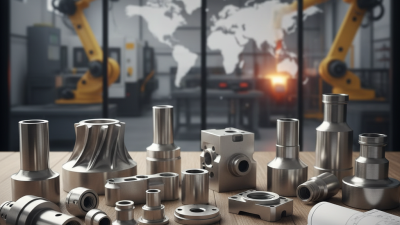
Silica Sol Precision Casting boasts numerous advantages. It provides unmatched dimensional accuracy and a smooth finish, making it ideal for complex components. Buyers benefit from reduced waste and lower production costs. However, navigating this technology can be overwhelming for newcomers. Understanding its true potential requires time and investment.
While the benefits are clear, challenges exist. Not all suppliers can meet high-quality standards consistently. Buyers must conduct thorough research. Trusting reliable sources for guidance is essential to harnessing the advantages of Silica Sol Precision Casting.
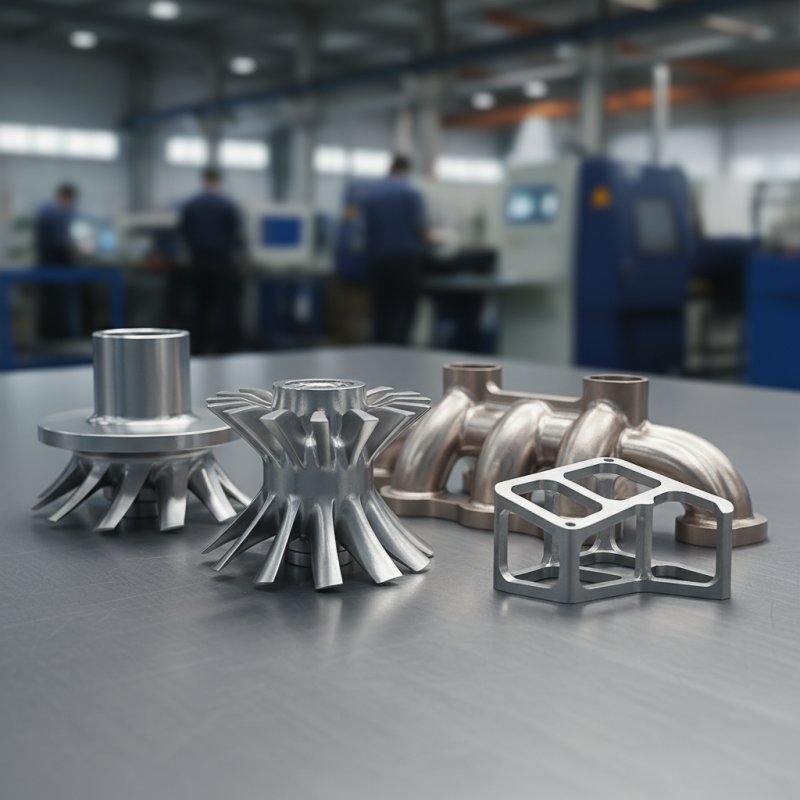
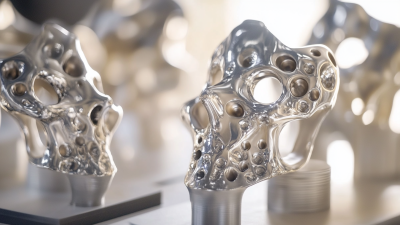
Silica sol precision casting has revolutionized various industries by offering superior casting quality. This method employs a fine silica sol as a binder, which results in exceptional detail and accuracy. The process allows for the production of intricate designs that traditional casting methods struggle to achieve. Buyers gain access to high-definition casts that enhance aesthetics and functionality.
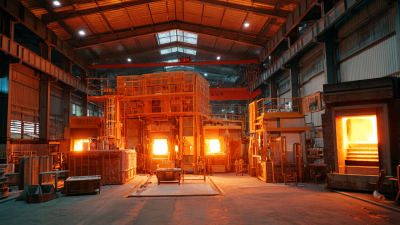
One notable benefit of silica sol precision casting is its excellent surface finish. Castings often require minimal machining, saving time and reducing costs. Furthermore, the method's capability to maintain close tolerances makes it suitable for precise engineering applications. However, challenges may arise, such as the need for specialized facilities and operator training, which can demand investment and adaptation from buyers.
Another point of consideration is the environmental impact. Silica sol is considered eco-friendly, but proper disposal and handling of materials are essential. Buyers should remain informed about best practices in waste management. This awareness can promote sustainability in manufacturing processes while complying with regulations. Ultimately, silica sol precision casting presents numerous advantages, but careful execution and reflection on its challenges are crucial for maximizing its benefits.
Silica sol precision casting offers numerous benefits for global buyers. One major advantage is the excellent surface finish. This process results in minimal roughness, which reduces the need for secondary machining. As a result, products appear polished and professional right out of the mold.
Another key benefit is the dimensional accuracy achieved with silica sol casting. The materials used in this technique allow for fine details. This precision is essential for complex components in industries like aerospace and automotive. High dimensional stability means fewer defects in final products, ultimately saving time and resources.
It's worth noting that the silica sol casting process can be cost-effective but may also introduce challenges. The initial investment might be higher compared to other methods. Additionally, not all metal types are suitable for this casting technique. Buyers need to evaluate their specific requirements thoroughly. This evaluation can lead to better decision-making and higher satisfaction with the final product.
Silica sol precision casting stands out when compared to traditional methods. Its ability to create intricate designs allows for smoother finishes and tighter tolerances. Traditional casting often leaves surface imperfections, which can compromise the final product's quality. In contrast, silica sol casting minimizes defects, reducing the need for extensive post-processing.
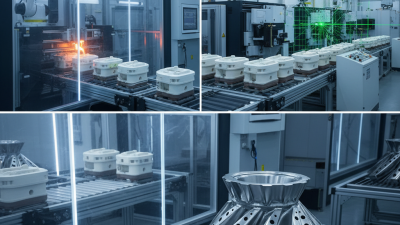
Another key difference lies in material efficiency. Traditional methods can result in more waste, as excess material is often removed. Silica sol casting, however, requires less material, which is beneficial for both cost and environmental impact. This method also boasts a faster production cycle, catering to the increasing demand for quick turnarounds in various industries.
However, silica sol casting isn't without challenges. Its higher initial setup costs could deter some buyers. Additionally, not all materials can be cast using this method, limiting its applications. These factors warrant careful consideration when evaluating casting methods for specific projects. Understanding these nuances is crucial for global buyers seeking optimal solutions in manufacturing.
| Benefit | Silica Sol Casting | Traditional Casting |
|---|---|---|
| Dimensional Accuracy | High precision with minimal tolerances | Lower precision, larger tolerances |
| Surface Finish | Superior surface finish, reducing post-processing | Rough surface requiring additional finishing |
| Complex Shapes | Capable of producing highly complex designs | Limited capabilities for intricate designs |
| Material Options | Supports various metal alloys | Typically limited to ferrous and non-ferrous metals |
| Environmental Impact | Lower emissions and waste generation | Higher emissions and waste generation |
| Lead Time | Shorter lead times due to efficient processes | Longer lead times, due to multiple steps |
| Cost Efficiency | Cost-effective for large scales | Higher costs at lower production volumes |
| Flexibility in Production | Easily adaptable to changes in design | Less adaptable, more rigid setups |
| Quality Control | Stringent quality checks integrated | Manual checks, prone to errors |
| Market Adaptability | Quick response to market changes | Slower to adapt to new market demands |
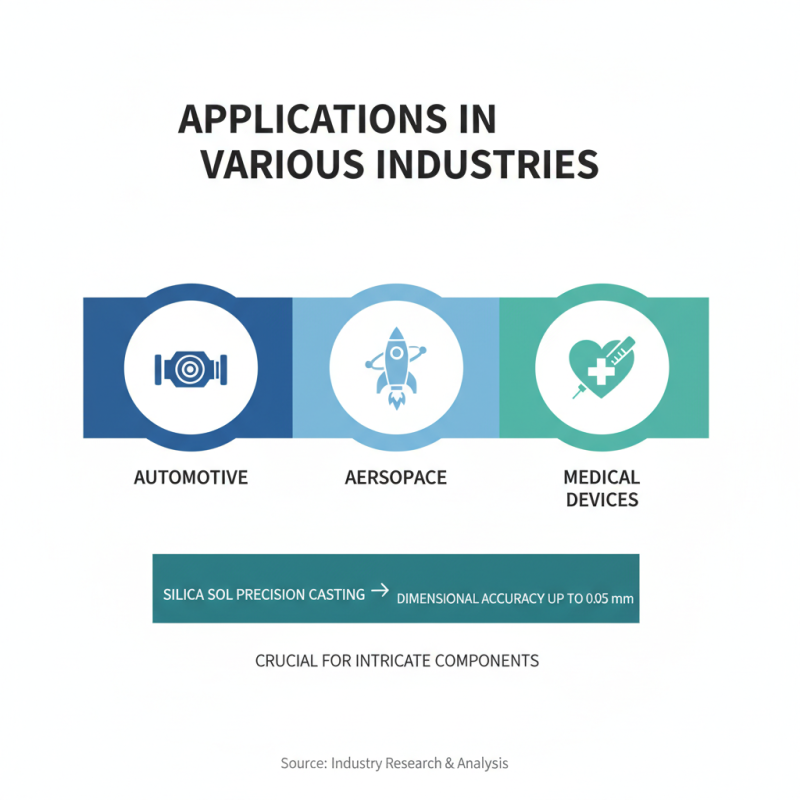
Silica sol precision casting has gained traction across multiple sectors due to its unique properties. Industries like automotive, aerospace, and medical are harnessing its potential. Medical device manufacturers find silica sol excellent for producing intricate components. Research shows that this casting method can achieve a dimensional accuracy of up to 0.05 mm, which is crucial in the medical field.
In aerospace, the need for lightweight yet strong materials is vital. Silica sol casting offers the ability to create complex shapes with a smooth surface finish. According to a McKinsey report, the aerospace industry is projected to grow by 5.1% annually, largely driven by advances in materials technology. Silica sol helps meet stringent industry standards while reducing waste and machining time.
Automotive applications also benefit significantly. The ability to cast high-precision parts leads to improved fuel efficiency and reduced emissions. Experts note that using silica sol can decrease scrap rates by as much as 30%, enhancing overall production efficiency. Despite its advantages, companies must still navigate challenges such as cost and scalability. Implementing silica sol casting requires careful planning and expert insight to maximize benefits while minimizing risks.
The future of silica sol precision casting is looking bright. This method offers exceptional versatility in manufacturing. It allows for intricate designs and high precision, making it ideal for various industries. As global markets evolve, the demand for customized solutions continues to grow.
Technological advancements will likely enhance the capabilities of silica sol casting. Improved materials can lead to better strength and durability. However, the industry faces challenges, such as rising costs and the need for sustainability. Balancing quality with environmental impact is crucial as manufacturers push forward.
Consumer expectations are also shifting. Buyers want faster production times without compromising quality. The integration of digital technologies will drive efficiency in production processes. Yet, adapting to rapid changes may not always be smooth. Companies must remain agile to respond to market demands effectively.