Top 10 Benefits of Investment Casting for Global Buyers
Investment casting offers a range of notable advantages for global buyers. This process, which involves creating metal parts with precise designs, stands out for its efficiency and versatility. Manufacturers appreciate the ability to produce complex shapes without extensive tooling. Investment casting simplifies production, reducing material waste in the process.
The benefits extend beyond cost savings. Quality control is enhanced through consistent production methods. It allows for intricate details and smooth finishes that other methods may struggle to achieve. The precision of investment casting often leads to reduced machining time, increasing overall productivity.
Yet, it's essential to consider the challenges as well. The initial setup costs can be high, and not every design translates perfectly. Buyers should weigh these factors while exploring the advantages. Despite these potential drawbacks, the overall benefits of investment casting make it a preferred choice for many industries. Understanding these aspects can guide buyers in making informed decisions.
Advantages of Investment Casting: Overview of Key Benefits
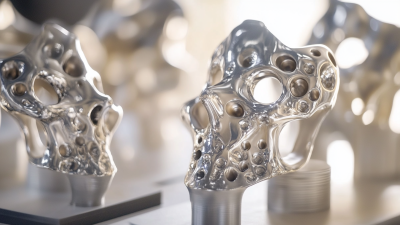
Investment casting offers several advantages that make it an attractive choice for many industries. One key benefit is its ability to produce intricate designs. This method allows manufacturers to create complex shapes without the need for extensive machining. The result is often a lightweight product that meets specific design requirements.
Another important aspect of investment casting is material versatility. It can accommodate a wide range of metals, including aluminum, stainless steel, and nickel alloys. This flexibility enables better material selection based on the desired properties of the final product.
Cost efficiency is also notable in investment casting. While the initial tooling costs may be higher, the reduced material waste and lower labor requirements can lead to significant savings over time. However, it is critical to carefully evaluate the design for manufacturability. Poorly considered designs can negate these efficiencies, leading to increased costs or delays. A thorough understanding of both the advantages and potential pitfalls of the investment casting process is essential for buyers seeking the best outcomes.
Precision and Complexity in Design: High Tolerances and Minimal Waste
Investment casting offers remarkable precision and the ability to create complex designs with minimal waste. In industries such as aerospace and automotive, high tolerance components are crucial. According to a report by the American Foundry Society, investment casting can achieve tolerances as tight as ±0.005 inches. This level of precision reduces the need for secondary machining processes, saving both time and costs.
The process generates less scrap metal compared to traditional methods. A study highlighted that the waste produced in investment casting is approximately 30% less than in sand casting. This is significant in an era where sustainable practices are increasingly important. However, investment casting is not without its challenges. The setup costs can be high, especially for low-volume production runs.
Yet, the benefits often outweigh these drawbacks. Components produced through this method have smoother surfaces and require less finishing. This leads to further savings and can improve overall performance. Manufacturers must weigh these factors carefully when considering production methods. The investment in casting often pays off in the long run.
Cost Efficiency through Material Optimization and Production Scale
Investment casting is rapidly gaining traction among global buyers. One of its key advantages is cost efficiency, especially through material optimization. By using advanced alloys and materials, manufacturers can significantly reduce waste. This optimized approach not only cuts costs but also enhances product quality. The precision of investment casting leads to less machining, which further lowers production expenses.
Tips: Consider the material selection process carefully. Choosing the right alloy can make a substantial difference in your overall production costs. Conduct a thorough analysis of material properties to avoid expensive mistakes.
Scale matters in production for investment casting. Larger scales often bring down the unit price. When companies ramp up their production volumes, they benefit from economies of scale. Yet, increasing volume requires careful planning and resource allocation. Overextending can lead to inefficiencies and increased costs.
Tips: Plan your production scale wisely. Analyze demand forecasts to align your investment casting volume appropriately. This foresight can prevent unproductive runs and wasted resources.
Top 10 Benefits of Investment Casting for Global Buyers - Cost Efficiency through Material Optimization and Production Scale
| Benefit |
Description |
Cost Impact (%) |
Production Scale |
| Material Efficiency |
Optimal use of materials leads to reduced waste. |
15% |
High |
| Complex Geometries |
Ability to create intricate designs without extra machining. |
10% |
Medium |
| Reduced Assembly Costs |
Fewer components lead to lower assembly labor costs. |
20% |
Large |
| Short Lead Times |
Quick turnaround from design to production. |
5% |
Variable |
| Enhanced Surface Finish |
Smooth surfaces reduce the need for further finishing. |
8% |
Medium |
| Material Versatility |
Wide range of materials can be used for casting. |
12% |
High |
| Weight Reduction |
Lightweight designs can reduce overall product weight. |
18% |
Variable |
| Scalability |
Easily adjust production volumes to meet demand. |
10% |
High |
| Consistency and Accuracy |
High precision leads to consistent product quality. |
7% |
Medium |
| Environmental Benefits |
Sustainable practices reduce environmental impact. |
6% |
High |
Durability and Strength: The Impact of Investment Casting on End Products
Investment casting is recognized for its ability to enhance the durability and strength of end products. This technique allows for the creation of complex shapes with superior material properties. According to a report by the Investment Casting Institute, components produced through investment casting can achieve yield strengths exceeding 200,000 psi, significantly outperforming conventional methods.
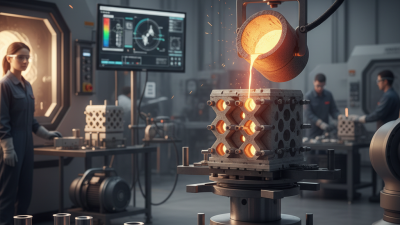
The process involves a precise wax pattern that captures intricate details. Once the pattern is coated in ceramic, it provides amazing strength after the wax is removed. This results in parts that can withstand extreme conditions, making them ideal for industries like aerospace and automotive. Reports indicate that investment cast components reduce weight without compromising structural integrity, leading to improved fuel efficiency in vehicles.
However, challenges exist. The investment casting process can be more expensive than traditional methods. This higher cost may deter some manufacturers. Additionally, skilled labor is essential for maintaining quality standards. As a result, this can create potential delays in production. Continuous improvement and innovation in the investment casting process are necessary to address these issues and maintain competitive advantages.
Global Market Trends: Investment Casting’s Growing Demand in Various Industries
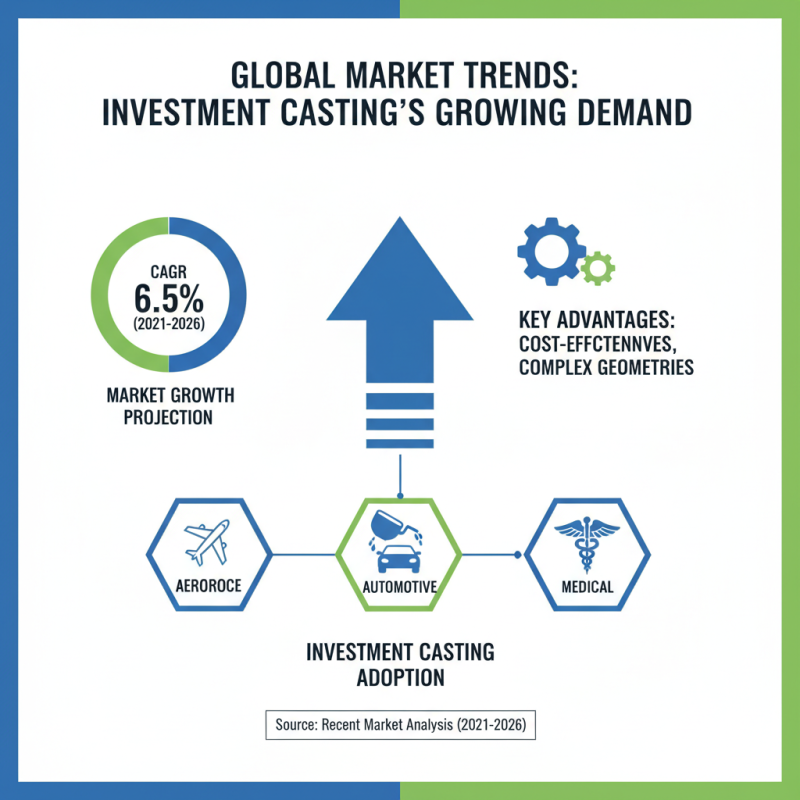
Investment casting is gaining traction across various industries, driven by its unique advantages and the need for precision components. According to a recent market analysis, the global investment casting market is projected to grow at a CAGR of 6.5% from 2021 to 2026. This surge can be attributed to its cost-effectiveness and ability to produce complex geometries. Industries such as aerospace, automotive, and medical are increasingly adopting investment casting for their evolving needs.
In aerospace, for instance, the lightweight and durable components produced through investment casting are essential for advancing fuel efficiency. A report by Grand View Research indicates that the aerospace sector alone will account for over 25% of the investment casting market by 2026. However, not all producers are equipped to meet stringent quality standards, leading to inconsistencies in output. This raises questions about the reliability of different suppliers and the need for robust quality control measures.
The automotive industry is also seeing a shift, with investment casting being used for complex parts that enhance vehicle performance. A study from Research and Markets reveals that the demand for investment castings in automotive applications will rise significantly. Despite the benefits, challenges remain. Some companies struggle with sourcing quality materials or face delays in production timelines, calling for a more streamlined approach in the supply chain. The need for adaptability in production methods is crucial as market demands continue to evolve.