Top 10 Benefits of Carbon Steel Casting in Manufacturing?
Carbon Steel Casting is a vital process in modern manufacturing. It provides numerous advantages that enhance production efficiency and product quality. Many industries rely on carbon steel due to its unique properties.
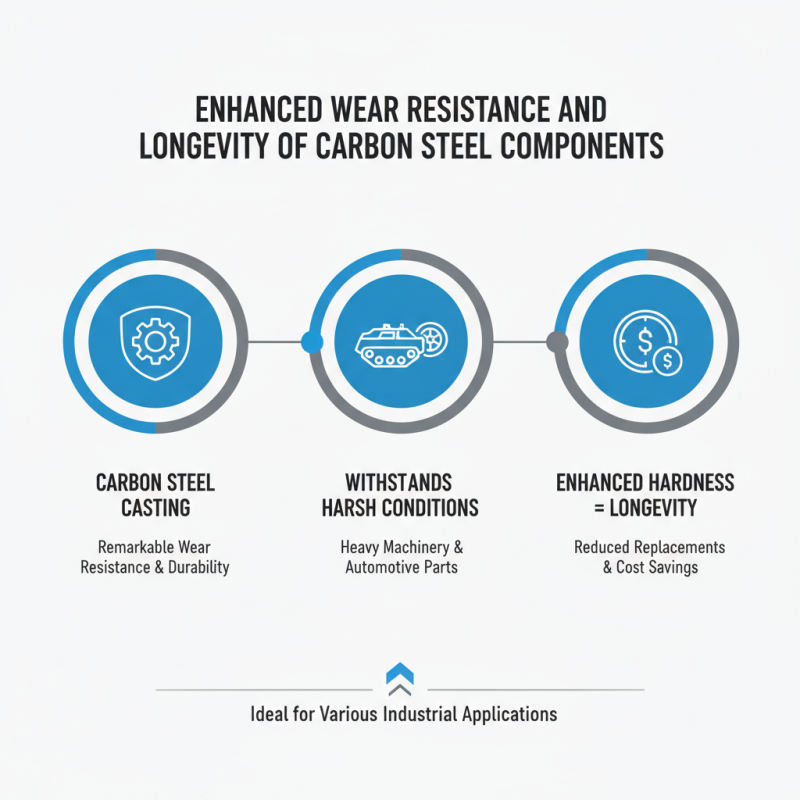
This casting method offers high strength and durability. These benefits make carbon steel parts suitable for heavy machinery and structural applications. Furthermore, it allows for intricate designs that might be difficult to achieve with other materials. For example, automotive components often use carbon steel casting for its reliable performance.
However, challenges exist. There can be issues with molding and defects. Manufacturers must pay close attention to quality control. Despite these concerns, the benefits often outweigh the drawbacks. In many scenarios, carbon steel casting remains the preferred choice for reliable manufacturing.
Benefits of Durability and Strength in Carbon Steel Casting
Carbon steel casting has gained popularity in manufacturing due to its remarkable durability and strength. This material boasts a tensile strength of approximately 400 to 700 MPa, placing it at the forefront of industrial applications. The casting process allows for intricate designs while maintaining structural integrity. Steel castings can withstand extreme temperatures and heavy loads, making them ideal for automotive and construction industries.
While carbon steel is robust, it is not immune to corrosion. This presents a challenge for industries relying on long-lasting products. However, applying protective coatings can enhance durability. Industry reports indicate that treated carbon steel components can outlast untreated counterparts by up to 50%. This reflects the importance of surface treatment in expanding the lifecycle of components.
Manufacturers face a trade-off when selecting casting methods. The cost-effectiveness of carbon steel often leads to questions about quality versus price. Yet, many experts argue that investing in high-quality carbon steel is crucial. Lower-quality materials can lead to failures, which may incur significant replacement costs. Balancing quality and budget is vital for a successful production line.
Top 10 Benefits of Carbon Steel Casting in Manufacturing
This chart illustrates the top benefits of carbon steel casting in the manufacturing sector. The dimensions reflect a comprehensive evaluation of key advantages that make carbon steel a favored choice among manufacturers. Each benefit is quantified on a scale of 0 to 100, showcasing their relative significance in enhancing product quality and production efficiency.
Cost-Effectiveness of Carbon Steel Casting in Manufacturing Processes
Carbon steel casting offers significant cost-effectiveness in manufacturing processes. This material is durable yet affordable, making it a popular choice for various industries. Manufacturers often find that carbon steel casting reduces production costs while maintaining quality. It allows for intricate designs and robust components, which can lead to savings over time.
One aspect of carbon steel that stands out is its availability. This material is widely sourced, helping to keep costs low. However, the reliance on carbon steel can sometimes lead to challenges. For instance, ensuring consistency in quality can be difficult. Manufacturers need to remain vigilant in their sourcing and quality checks to avoid potential drawbacks.
Furthermore, carbon steel casting has a relatively low melting point. This can shorten production times, which is beneficial. But, this process also demands careful attention to detail. Any errors in temperature control can affect the final product. Balancing efficiency and quality remains a challenge for many manufacturers using carbon steel casting.
Versatility of Carbon Steel Castings in Various Industries
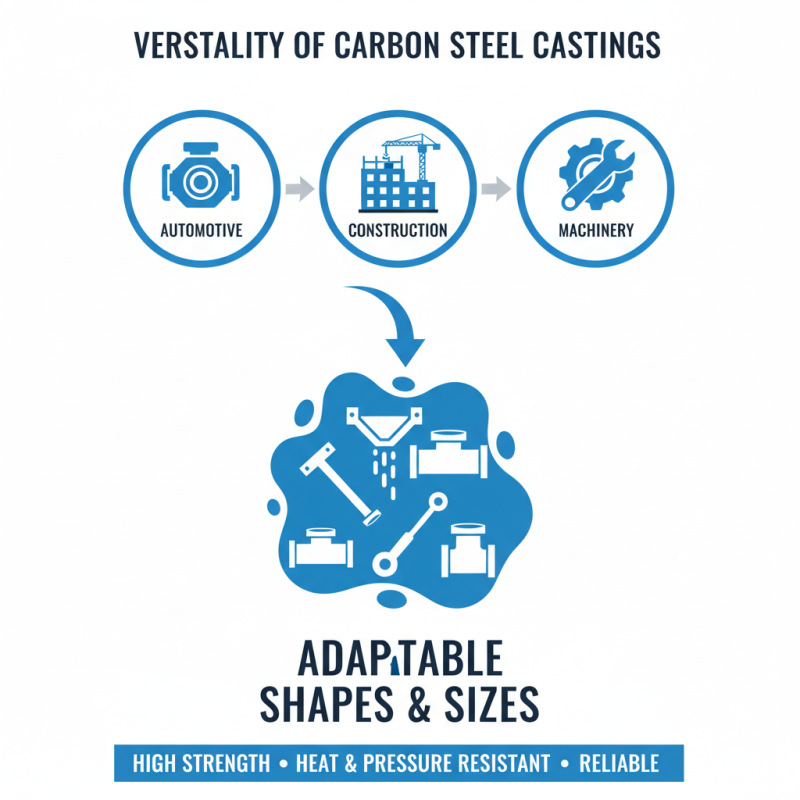
Carbon steel castings are widely recognized for their versatility in various industries. They are used in automotive, construction, and machinery sectors, among others. This material can be molded into different shapes and sizes, allowing it to meet specific needs. For example, a carbon steel casting can serve as a sturdy component in a car engine. It can withstand high temperatures and pressures, which makes it highly reliable.
Moreover, the adaptability of carbon steel castings can lead to some challenges. While they can be produced in mass, not every casting meets quality standards. The manufacturing process may sometimes result in defects due to temperature fluctuations. This can impact performance when used in critical applications. Additionally, not all industries leverage carbon steel castings effectively. Some may opt for alternatives that do not always outperform carbon steel, but are perceived as simpler or more convenient.
In summary, carbon steel castings play a crucial role across many sectors. They offer flexibility in design and application, but manufacturers must remain vigilant. The potential for defects is a reminder of the need for continuous improvement and innovation in production techniques. Finding the right balance is essential for harnessing the full potential of carbon steel in manufacturing.
Sustainability and Eco-Friendliness of Carbon Steel Casting Techniques
Carbon steel casting is gaining attention for its sustainability and eco-friendliness. This process involves melting down scrap metal, reducing waste. The recycling aspect significantly lowers energy consumption compared to producing new steel. By using recycled materials, manufacturers contribute to conserving natural resources.
However, it’s essential to reflect on the environmental impacts. While carbon steel casting is better than many alternatives, it still generates emissions during melting. Finding ways to mitigate these emissions is crucial. Improved techniques and technology can enhance air quality and reduce carbon footprints.
Water usage in the casting process warrants consideration, too. Although water is crucial for cooling and cleaning, excessive use can strain local resources. Manufacturers are exploring closed-loop systems to minimize this impact. These innovations could lead to a more responsible approach in the industry. Each step taken towards sustainability is essential, but there’s always room for improvement.
Top 10 Benefits of Carbon Steel Casting in Manufacturing
| Benefit |
Description |
| Durability |
Carbon steel castings offer exceptional strength and longevity, making them ideal for heavy-duty applications. |
| Cost-Effective |
Carbon steel is relatively inexpensive compared to other materials, reducing overall manufacturing costs. |
| Versatility |
It can be used in various applications across different industries, from automotive to construction. |
| Eco-Friendly |
Sustainable casting techniques minimize energy consumption and waste, making carbon steel environmentally friendly. |
| High Flexibility |
Carbon steel can be cast into complex shapes, offering more design freedom for manufacturers. |
| Resilience to Impact |
Carbon steel has high impact resistance, making it suitable for high-stress applications. |
| Good Corrosion Resistance |
With proper treatment, carbon steel can exhibit good resistance to corrosion, extending its lifespan. |
| Rapid Production |
Casting processes allow for faster production times compared to machining for large quantities. |
| Excellent Mechanical Properties |
Carbon steel possesses impressive mechanical properties, including tensile strength and hardness. |
| Lower Waste |
Casting generates less waste compared to other manufacturing methods like machining, contributing to more sustainable practices. |