2026 Top Metal Part Fabrication Trends for Global Buyers?
The landscape of Metal Part Fabrication is evolving rapidly. As global buyers look to 2026, experts suggest focusing on emerging trends. John Smith, a respected industry analyst, emphasizes, "Adapting to change is vital for success in Metal Part Fabrication."
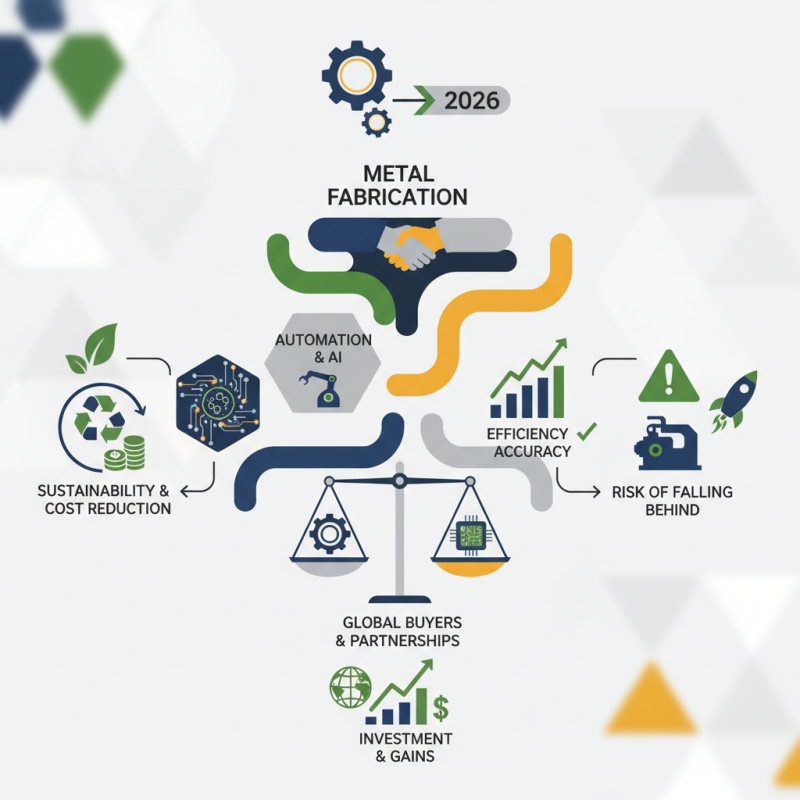
Today’s market demands innovation. Companies must embrace sustainable practices and advanced materials. For instance, using recycled metals can enhance sustainability while reducing costs. Additionally, automation and AI are redefining manufacturing processes. These technologies promise higher efficiency and accuracy in production.
Yet, challenges remain. Not all companies are ready for such transformations. There can be a tendency to cling to outdated methods. Striking a balance between tradition and innovation is crucial. Buyers must evaluate their partnerships carefully. Investing in the right technologies and workforce can lead to substantial gains. Manufacturers that overlook these shifts risk falling behind in the competitive Metal Part Fabrication industry.
Emerging Technologies in Metal Part Fabrication for 2026 Buyers
Emerging technologies in metal part fabrication are reshaping the industry landscape for 2026 buyers. According to a recent report by MarketsandMarkets, the metal fabrication market is expected to reach $20 billion by 2026. The rise of automation is a key trend. Advanced robotics can increase efficiency, yet many companies struggle with the integration process.
Additive manufacturing, or 3D printing, is gaining traction. This technology allows rapid prototyping and customized production, cutting costs. The global 3D printing market for metal parts is projected to grow at a CAGR of 25% from 2021 to 2026. However, there are challenges in material selection and post-processing that companies must address.
Sustainability concerns are also influencing buyers. Eco-friendly practices in metal fabrication are becoming important. According to a study by Grand View Research, the growing need for sustainable production methods is expected to drive market growth. Although many firms are adopting greener technologies, the transition often reveals inefficiencies in existing systems. These factors are critical for global buyers to consider as they navigate the evolving landscape of metal part fabrication.
2026 Top Metal Part Fabrication Trends for Global Buyers
| Trend |
Description |
Emerging Technology |
Impact on Market |
| Advanced Automation |
Integration of robotic systems to streamline metal fabrication processes. |
Robotics and AI |
Increased efficiency and reduced labor costs. |
| 3D Metal Printing |
Utilization of additive manufacturing for creating complex geometries. |
Selective Laser Melting (SLM) |
Enhanced design flexibility and waste reduction. |
| Sustainable Practices |
Adoption of eco-friendly materials and recycling methods. |
Biodegradable Alloys |
Positive impact on environmental sustainability. |
| Smart Manufacturing |
Implementation of IoT for real-time data monitoring and management. |
Industrial IoT (IIoT) |
Improved productivity and operational transparency. |
| Custom Fabrication |
Focus on tailored solutions for specific client needs in metal parts. |
CNC Machining and Laser Cutting |
Greater customer satisfaction and competitive advantage. |
Sustainability Trends Impacting Metal Part Fabrication Practices
Sustainability is reshaping metal part fabrication. As concerns about climate change grow, manufacturers are adopting eco-friendly practices. This shift influences material selection, processes, and waste management. Many companies are experimenting with recycled metals. This not only reduces waste but also lowers production costs over time.
In addition to using recycled materials, energy efficiency is a focus. Advanced technologies are being implemented to optimize energy use. Automation and smart systems help reduce carbon footprints. Yet, the transition can be challenging. Some manufacturers may struggle to balance sustainability with traditional practices. There's still a long way to go in addressing these challenges.
Certification and compliance are now essential in the industry. Buyers are increasingly seeking suppliers who meet sustainable standards. This demand is driving changes, even as adaptability remains an obstacle. Metal part fabricators must thoughtfully navigate this evolving landscape. It requires innovation and commitment to sustainability, which is still a work in progress.
Global Supply Chain Dynamics Affecting Metal Fabrication Industry
The global supply chain is reshaping the metal fabrication industry. Due to disruptions from the pandemic, supply shortages became common. Reports show that 70% of manufacturers faced raw material price increases in 2023. This creates pressure on cost management and production schedules.
Sustainability is also becoming a major concern. Many companies are seeking eco-friendly materials and practices. A recent survey indicated that 55% of industry players plan to invest in green technologies by 2026. However, this transition can be complex. Not all facilities are equipped for sustainable practices.
The demand for local sourcing continues to rise. Buyers prefer shorter supply chains that reduce delays. Yet, local sourcing can lead to higher costs. A balance must be found between cost efficiency and reliability. As market conditions change, staying adaptable is crucial. Metal fabricators must navigate these challenges to thrive in a competitive environment.
Customization and Flexibility in Metal Part Production Processes
Customization and flexibility are increasingly becoming vital in metal part production processes. Global buyers seek solutions tailored to their specific needs. This demand drives manufacturers to adopt innovative techniques. They are exploring advanced technologies like additive manufacturing and CNC machining. These methods allow for more personalized designs at various production scales.
Moreover, flexibility in production schedules is essential. Buyers appreciate rapid response times and reduced lead times. This agility can enhance their supply chain efficiency. It's important for suppliers to stay adaptable. However, not all manufacturers succeed in striking a balance between flexibility and quality. Some struggle to deliver consistent results amid changing specifications.
Effective communication between buyers and manufacturers is key. Misunderstandings can lead to delays or increased costs. Regular feedback helps refine processes and improve outcomes. When both parties engage, it fosters a more collaborative environment. The path to customization is complex, but the benefits are clear. Maximizing flexibility while ensuring quality remains a challenge worth addressing.
2026 Top Metal Part Fabrication Trends for Global Buyers
This chart illustrates the importance of various trends in metal part fabrication for global buyers in 2026. Customization leads with the highest importance, indicating a market preference for tailored solutions, followed by automation and sustainability initiatives.
Regulatory Changes Shaping the Future of Metal Fabrication Standards
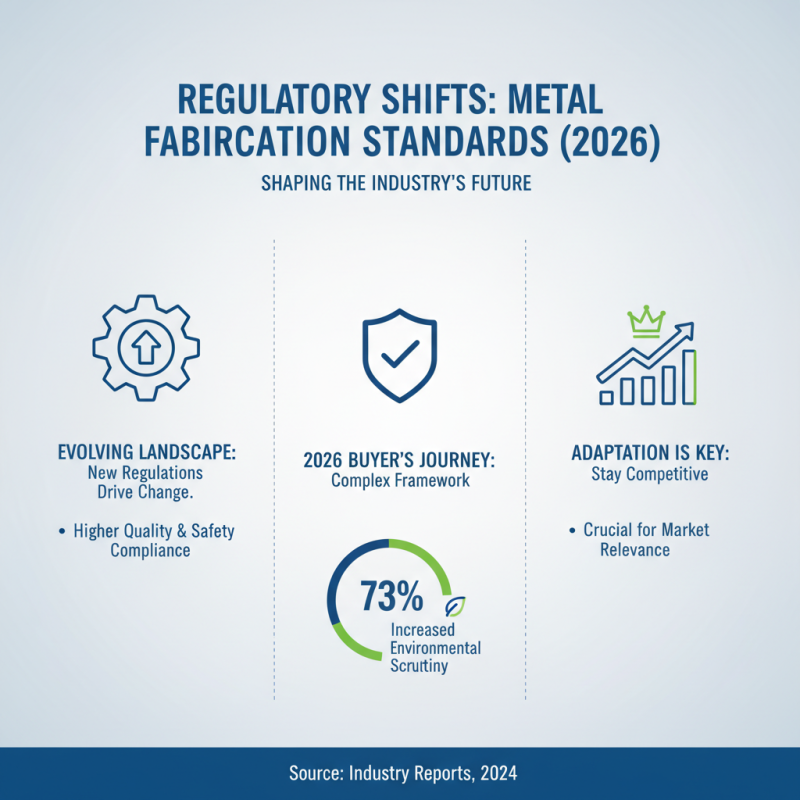
The landscape of metal fabrication is evolving, driven by regulatory changes that impact industry standards. In 2026, buyers will navigate a complex regulatory framework that mandates higher quality and safety compliance. For instance, recent industry reports indicate that 73% of manufacturers face increased scrutiny regarding their environmental practices. Adapting to these regulations is crucial for staying competitive.
Over the next few years, sustainable practices will become a necessity. A study showed that 68% of buyers prioritize environmentally-friendly metal fabrication solutions. Suppliers must invest in cleaner technologies. This shift not only enhances compliance but also addresses consumer demand for accountability. However, many companies struggle with the upfront costs of implementing these changes.
Moreover, certifications will play a pivotal role in the decision-making process. With nearly 80% of global buyers relying on certification as a factor in supplier selection, the pressure is on. This dependence reveals a gap; not all manufacturers are fully prepared to meet these standards. Failing to adapt could lead to reputational damage. The path to compliance is not straightforward, and many will find themselves needing to reevaluate their operational strategies to align with the new norms.