2026 Top Stainless Foundry Innovations for Global Buyers?
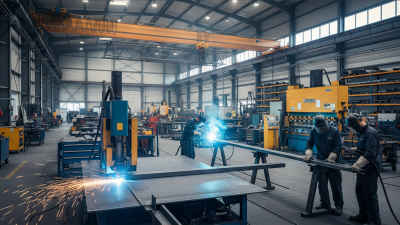
In the rapidly evolving landscape of global manufacturing, the Stainless Foundry sector stands out for its innovations. In 2026, many advancements promise to reshape how industries leverage stainless steel applications. These innovations hinge on enhanced efficiency, sustainability, and quality, steering manufacturers towards competitive edges.
The growing demand for stainless steel products requires foundries to stay ahead. Companies are exploring smart technologies, which enhance production accuracy. For instance, 3D printing techniques are now being integrated into traditional casting methods. This fusion reduces waste and improves turnaround times. However, challenges remain in ensuring consistency and minimizing costs.
As global buyers seek reliable sources, understanding these advancements becomes crucial. Buyer awareness of emerging technologies in the Stainless Foundry sector will drive informed decisions. While the innovations are promising, remaining adaptable and critical is essential. Some processes may still need refining to meet rigorous industry standards and customer expectations.
Emerging Technologies in Stainless Foundry Industry for 2026
The stainless foundry industry is on the brink of a technological revolution in 2026. As global buyers look for innovative solutions, emerging technologies promise to reshape manufacturing processes. One key development is the adoption of advanced robotics and automation. These tools make production faster and minimize human error. However, the transition requires careful training for workers. There's a balance between technology and workforce readiness that must be addressed.
Another fascinating trend is the use of 3D printing in stainless steel production. This method allows for intricate designs that traditional casting cannot achieve. It can significantly reduce waste, but it demands new skills and equipment. Not every foundry is equipped for this shift, leading to a divide in industry capabilities. Moreover, sustainability remains a pressing concern as foundries explore recycling techniques to conserve resources.
Artificial intelligence (AI) is also entering the stainless foundry realm. AI can optimize processes and predict maintenance needs, yet its dependence on data raises questions. Data security and management are challenges that cannot be overlooked. Foundries must rethink their approach to information. In this rapidly changing landscape, adaptability and continued learning are essential for success.
Key Innovations in Stainless Steel Manufacturing Processes
Innovations in stainless steel manufacturing processes are reshaping the industry. New techniques focus on enhancing strength and corrosion resistance. For instance, advancements in alloy compositions are enabling the creation of more durable products. These materials exhibit exceptional performance in harsh environments, making them ideal for various applications.
One area of improvement is the development of eco-friendly manufacturing methods. Companies are exploring ways to reduce waste and energy consumption. Innovative methods like electric arc furnace technology are gaining attention. This process uses recycled materials and consumes less energy than traditional methods.
Despite these advancements, challenges remain. Many manufacturers struggle with the integration of new technologies into existing systems. The initial costs of innovation can be prohibitive. Therefore, careful evaluation of both long-term benefits and immediate costs is crucial. Continuous training and adaptation are vital for workforce readiness as the industry evolves.
2026 Top Stainless Foundry Innovations for Global Buyers
| Innovation Type |
Description |
Advantages |
Impact on Production |
| Advanced Casting Techniques |
Utilizing 3D printing for mold creation. |
Reduced material waste and faster setup times. |
Increased production efficiency by 30%. |
| Enhanced Alloy Composition |
Developing alloys with improved properties for specific applications. |
Better corrosion resistance and mechanical strength. |
Allows for thinner materials without compromising durability. |
| Automation in Casting |
Integration of AI and robotics in the casting process. |
Increased precision and decreased labor costs. |
Boosts production rate by 25%. |
| Greener Manufacturing Processes |
Adoption of eco-friendly materials and recycling in production. |
Lower environmental impact and potential cost savings. |
Encourages sustainable practices in the industry. |
| Smart Monitoring Systems |
Implementation of IoT for real-time monitoring of manufacturing processes. |
Improved quality control and predictive maintenance. |
Reduces downtime and increases productivity. |
Sustainable Practices in Stainless Foundry Innovations
The stainless foundry industry is undergoing significant shifts towards sustainability. Innovations are central to these changes. According to a 2023 report by the International Stainless Steel Forum, approximately 80% of stainless steel production is now utilizing recycled materials. This shift reduces energy consumption and greenhouse gas emissions significantly.
Sustainable practices extend beyond material sourcing. Advanced technologies like electric arc furnaces are becoming more prevalent. These systems are known to lower energy use by up to 50%. However, there are challenges. Not all foundries can afford these cutting-edge technologies. Transitioning to sustainable methods often involves high upfront costs.
Another area of focus is waste reduction. Many foundries are implementing closed-loop systems. This minimizes waste while maximizing resource use. It is a positive step forward. Yet, the industry still needs to address the disparity between large and small foundries. Many lack access to the resources required for these innovations. Overall, while the push for sustainability is strong, barriers remain in achieving a fully sustainable stainless foundry landscape.
Impact of Automation and AI on Stainless Foundry Production
The integration of automation and AI in stainless foundry production is transforming the industry. According to a recent report by Grand View Research, the global foundry automation market is expected to reach $18 billion by 2027, driven largely by the demand for efficiency and precision. Automation enables the rapid production of components while minimizing human error. However, the transition can be challenging for many manufacturers, especially smaller foundries that may lack the resources for such investments.
AI-driven technologies optimize the production process by predicting equipment failures and enhancing quality control. A study from Deloitte highlights that companies utilizing AI in manufacturing see a 20% reduction in operational costs. Despite these benefits, many foundries face difficulties in integrating AI systems into existing workflows. Training staff to work alongside new technologies also poses a significant hurdle.
Additionally, the reliance on automation brings forth questions about workforce stability. As machines take over repetitive tasks, there is an urgent need to reskill workers for more advanced roles. This shift can create tension within established production cultures. It is essential for foundries to navigate these changes thoughtfully while addressing the concerns of their workforce.
Trends in Global Stainless Foundry Market for 2026
The global stainless foundry market is expected to see significant trends in 2026. Innovations in processes and materials will reshape the industry. Sustainability is rising as a priority. More foundries will focus on eco-friendly practices. This shift reflects growing consumer awareness and regulatory demands.
Automation will be another crucial trend. Foundries are investing in smart technology to enhance efficiency. Robotics will help reduce human error and lower costs. However, the transition poses challenges. Training workers on new systems can be difficult. Businesses must balance technology and workforce skills.
As the market evolves, quality control becomes crucial. Enhancing metallurgical properties will be a focus, ensuring products meet high standards. However, ensuring consistency can be tough. Foundries must tackle these issues to maintain credibility. Global buyers will expect transparency and reliability in sourcing. Addressing these trends thoughtfully will be essential for success in 2026.