2026 Top Cnc Parts for Global Buyers What to Know?
As the demand for precision and efficiency continues to rise, CNC parts play a crucial role in various industries. According to a recent report by MarketsandMarkets, the global CNC machine market is projected to reach $100 billion by 2026. This growth indicates an increasing reliance on advanced technology, driven by the need for high-quality manufacturing. Global buyers must understand the nuances of CNC parts to stay competitive and ensure optimal performance.
Investing in the right CNC parts is essential for enhancing productivity. Key industries such as aerospace, automotive, and electronics depend heavily on these components. For example, the aerospace sector requires components that meet stringent safety and performance standards. However, not all suppliers are created equal. It's vital to assess quality and reliability before making purchases. Issues such as inconsistent supply chains can lead to significant production downtime.
Navigating the global market for CNC parts can be challenging. Buyers must consider factors like material types, tolerances, and lead times. While many suppliers offer competitive pricing, cheaper options may compromise quality. Reflecting on these aspects can help inform better purchasing decisions and lead to improved manufacturing outcomes.
Overview of CNC Parts Market Trends in 2026
The CNC parts market is evolving rapidly as we approach 2026. According to a recent industry report, the global CNC parts market is projected to reach $75 billion by 2026, reflecting a compound annual growth rate (CAGR) of 6.5%. This growth is driven by increased automation and advances in manufacturing technologies. Industries such as aerospace, automotive, and medical devices are anticipated to demand higher precision components.
One key trend is the rising popularity of additive manufacturing techniques. These methods allow for complex designs that traditional CNC machining cannot achieve. Additionally, companies are investing in smart factories that utilize IoT and AI for better efficiency. A survey indicated that 58% of manufacturers plan to implement smart technologies by the end of 2025. However, this shift poses challenges. Many businesses face skills gaps in their workforce.
Sustainability is another focal point. The pressure to reduce waste and energy consumption is significant. Reports show that manufacturers are increasingly seeking eco-friendly materials for CNC parts. Nevertheless, transitioning to sustainable practices is not seamless for all. Many companies still grapple with balancing innovation and cost. The need for continuous adaptation will define the CNC parts market in the coming years.
2026 CNC Parts Market Trends
Key Factors Influencing CNC Parts Selection for Buyers
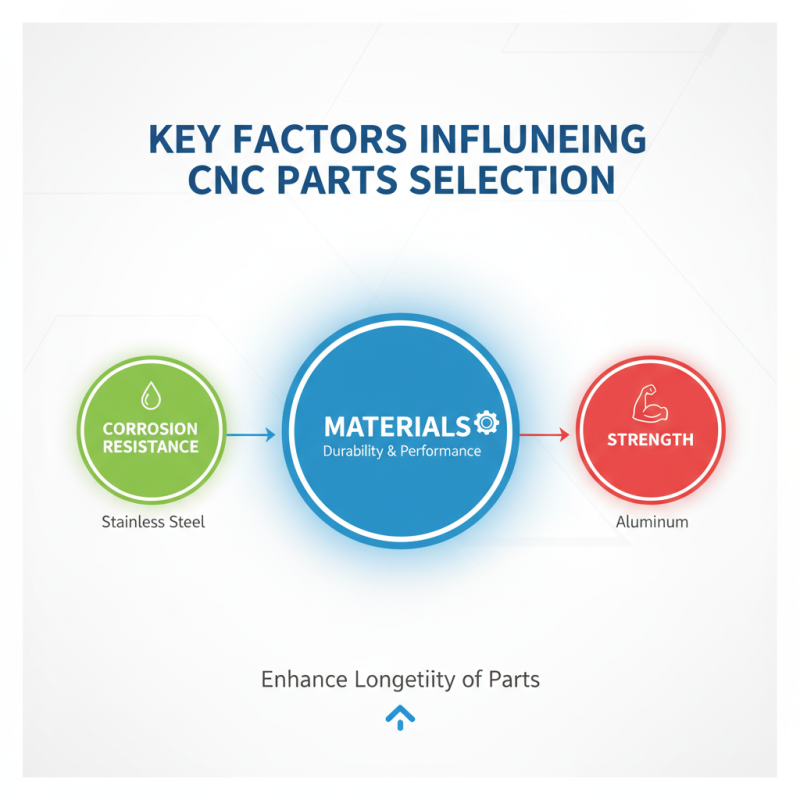
When selecting CNC parts, several key factors come into play. Buyers often prioritize materials over other aspects. High-quality materials enhance durability and performance. For example, stainless steel and aluminum are popular due to their corrosion resistance and strength. These characteristics can significantly affect the longevity of a part.
Another essential factor is precision. CNC machining offers remarkable accuracy, which is crucial for many applications. However, not all manufacturers achieve the same level of precision. It's vital for buyers to assess a supplier's capabilities. Requests for sample parts can help evaluate this. But beware, sometimes even small production runs may not reflect true quality.
Cost can also be a double-edged sword. Competitive pricing is appealing, but it may compromise quality. Buyers should weigh short-term savings against long-term performance. A less expensive part might lead to failures and increased costs later on. Lastly, communication with manufacturers is crucial. Clear, detailed specifications can prevent misunderstandings. Yet, lack of clarity could result in significant setbacks. Balancing these factors can lead to better choices for CNC parts.
Essential CNC Parts and Their Applications in Various Industries
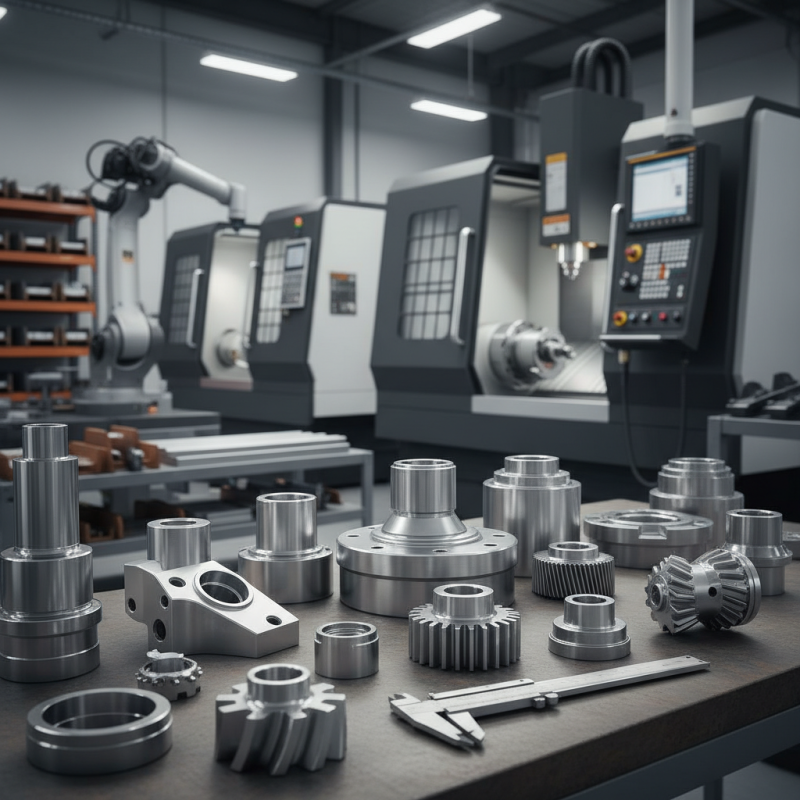
CNC (Computer Numerical Control) technology is essential across various industries. Key CNC parts, including spindles and motors, play crucial roles in machining processes. Spindles provide high-speed rotation, which is vital for precision cutting. According to recent reports, the demand for spindles is projected to grow by 8% annually through 2026. This growth reflects the rising need for efficient manufacturing solutions.
Another critical component is the CNC controller. This hardware translates design files into machine movements. Effective CNC controllers enhance accuracy and reduce errors. A 2022 study indicated that businesses utilizing advanced controllers improved production efficiency by 30%. Such improvements reduce costs and improve output quality in industries ranging from aerospace to automotive.
However, relying heavily on specific parts can pose risks. The failure of a singular component, like a motor, can halt operations. This vulnerability highlights the need for regular maintenance and monitoring systems. Addressing these shortcomings will allow manufacturers to optimize workflows and adapt to evolving demands in global markets, ensuring resilience in their supply chains.
Tips for Global Buyers When Sourcing CNC Parts
Sourcing CNC parts in 2026 demands careful consideration from global buyers. A thorough understanding of the market is essential. Buyers should focus on factors like material quality and manufacturing processes. These elements greatly influence the final product's performance. Establishing clear communication with suppliers is vital. It helps to avoid misunderstandings and ensures specifications are met.
It's important to evaluate the supplier's experience and expertise. Look for companies that have a proven track record in delivering high-quality parts. Checking reviews and ratings can offer valuable insights. Buyers should not hesitate to ask for references. Engaging with past clients can reveal potential red flags.
Conducting thorough inspections of CNC parts before finalizing orders is crucial. This helps in identifying defects early on. However, it can be challenging to guarantee that every part meets expectations. Inconsistent quality might occur due to various factors. Buyers should remain adaptable and open to finding solutions along the way. Continuous improvement in sourcing practices will lead to better outcomes.
Future Innovations in CNC Technology Affecting Buyer Decisions
The CNC industry is rapidly evolving. Innovations in technology are changing buyer decisions. According to a recent report by a leading market research firm, the global CNC machine market is expected to reach $100 billion by 2026. This reflects a CAGR of 7.2% from 2021 to 2026. Such growth is driven by advancements in automation and artificial intelligence.
Buyers now prioritize machines that incorporate smart technology. These include IoT-enabled devices that offer remote monitoring and predictive maintenance. This technology enhances productivity and reduces downtime. However, some buyers may struggle to keep up with such fast-paced changes. They must balance the need for innovation with the challenge of adapting their workforce.
Another trend is the push for sustainable manufacturing. CNC machines are becoming more energy-efficient. Reports show a significant reduction in energy consumption with newer models. Yet, evaluating the long-term return on investment can be challenging. Companies must weigh upfront costs against potential savings. As they navigate these innovations, it’s crucial for buyers to remain informed and adaptable to stay competitive in the market.